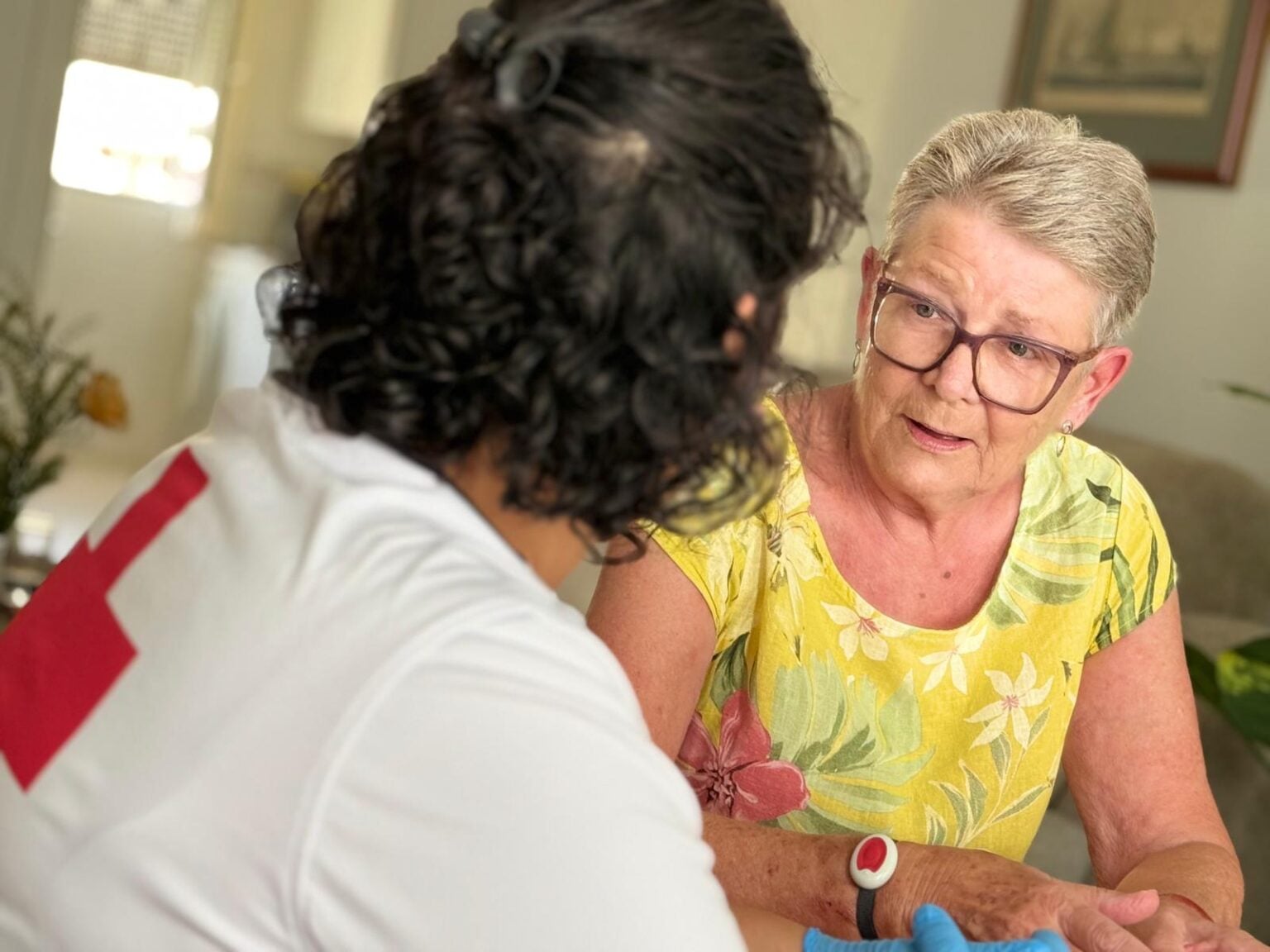

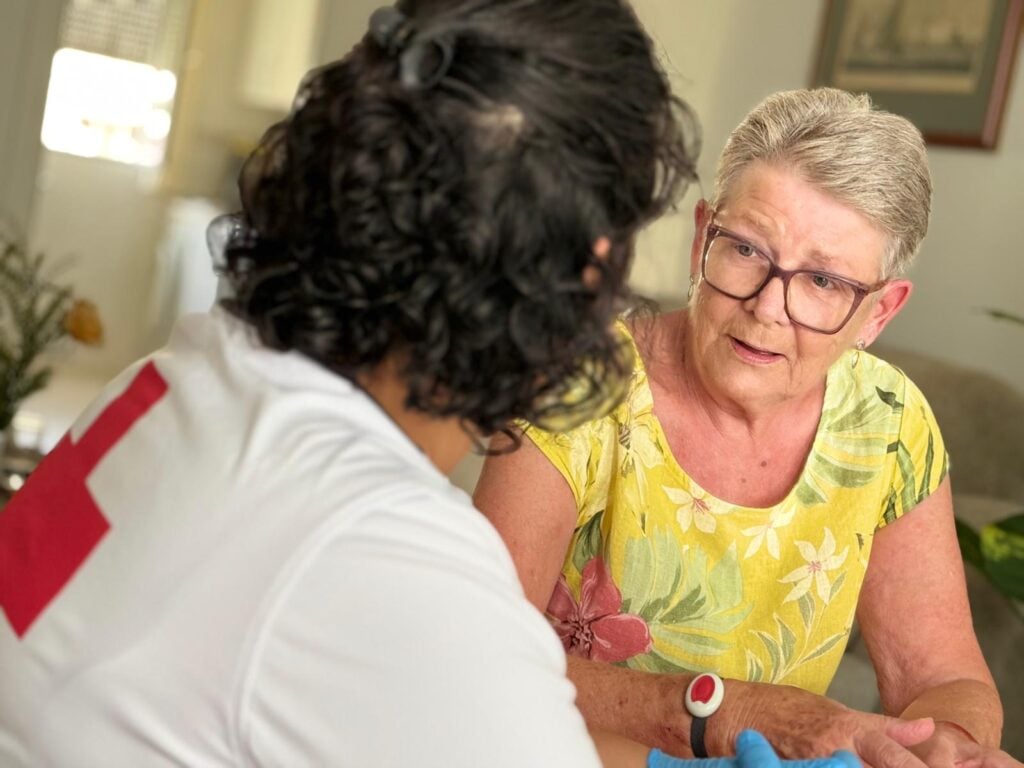
A Red Cross team is providing a vital lifeline to elderly, disabled and isolated residents in an Alicante town where 42% of the population is aged over 65.
The service in San Fulgencio, in the Vega Baja, is visiting vulnerable residents in their homes, helping people with reduced mobility and providing companionship to those living alone.
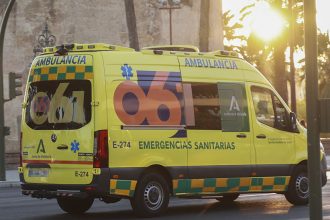
Known as SIREM (the Integral Municipal Emergency Response System), the programme has carried out more than 2,500 interventions since it was launched in August 2024.
And while its ambulance is perhaps its most visible feature, those running the scheme say its increasingly important role is tackling the social problems that can lie behind an emergency.
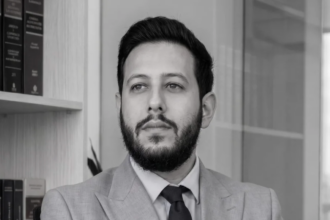
‘SIREM is not just an ambulance,’ said coordinator Jose Manuel Avila, who has two decades of experience working in emergency healthcare.
Speaking to local newspaper Informacion, he added: ‘Behind every intervention there can also be work detecting needs, social monitoring, companionship and coordination with other resources.’
Ageing population
San Fulgencio has just over 10,000 registered residents, with around 6,900 aged over 65, according to municipal population figures cited by the service.
That represents some 42% of the town’s population.
The municipality is particularly popular among foreign residents, making support for an ageing population an increasingly important challenge.
SIREM’s team of 10 emergency medical technicians has carried out 2,502 interventions in its first two years – 1,334 medical and 1,168 social.
That works out at more than 100 interventions every month.
But the changing nature of those calls is particularly striking.
During its first month, the team carried out 58 medical interventions and just 15 social ones.
Last month there were 62 medical interventions but 79 social interventions.
Avila said the figures demonstrate how the project has evolved in response to the population’s actual needs.
When a fall reveals a bigger problem
‘We might attend, for example, because of a fall and discover that the person lives alone, has mobility difficulties, does not have enough family support or needs some form of home assistance,’ Avila explained.
That can trigger follow-up visits and coordination with social services and healthcare providers.
The team monitors elderly and dependent residents, assesses basic needs and provides emotional support and advice.
It can also help residents attend medical appointments and supply essential items including food, hygiene products, warm clothing, crutches, walking frames, adjustable beds, medication and patient-lifting equipment.
Particular attention is paid to people suffering from social isolation or heightened vulnerability.
SIREM stresses that it does not replace either Spain’s healthcare system or municipal social services.
Instead, its role is to identify problems early and connect vulnerable residents with the appropriate support.
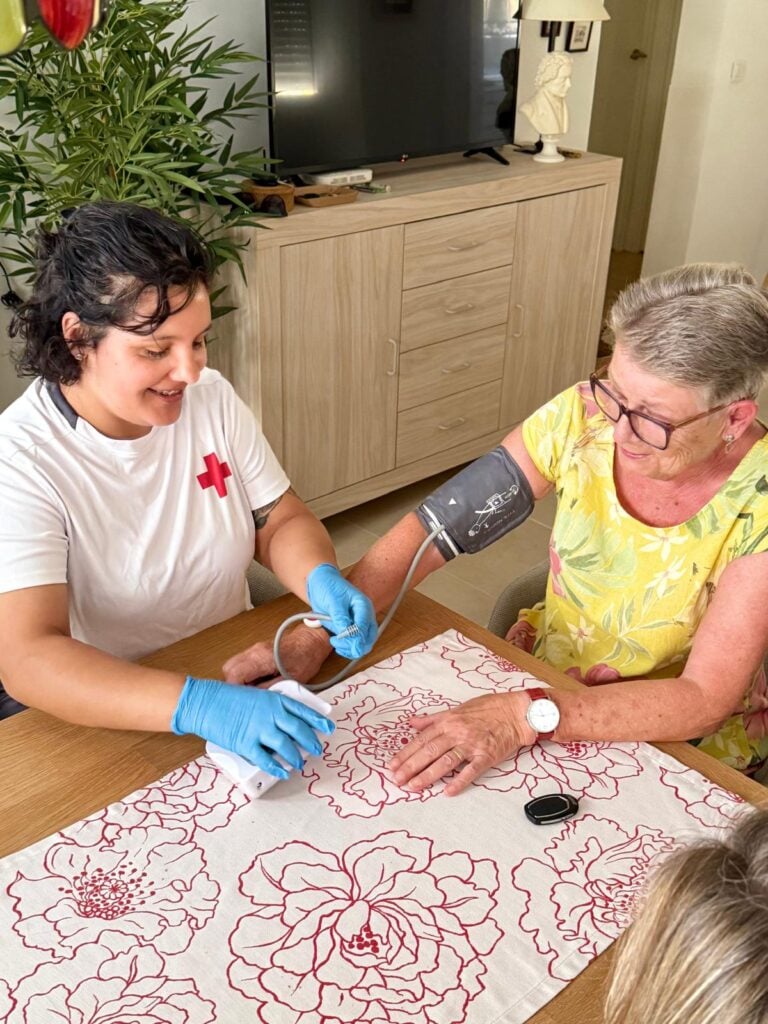
‘Sometimes they just need us to visit’
One resident, Ursula, was struggling with grief and loneliness after her husband died.
The team began visiting her regularly, providing emotional support and, crucially, company.
She told staff that their visits made her feel less alone.
Over the following months, workers saw her gradually regain confidence and independence. She began socialising and travelling again while rebuilding parts of the life she had lost following her husband’s death.
Ursula has since donated her late husband’s mobility vehicle to the service, which is now being used to help another resident.
‘What that person needs is for us to go and see them, sit with them for a while, listen to them and check that they’re okay,’ he said.
‘SIREM works on the emergency, but also on the vulnerability that often exists behind that emergency.
‘Our objective isn’t only to arrive when something happens, but to be close to the person when they need us.’