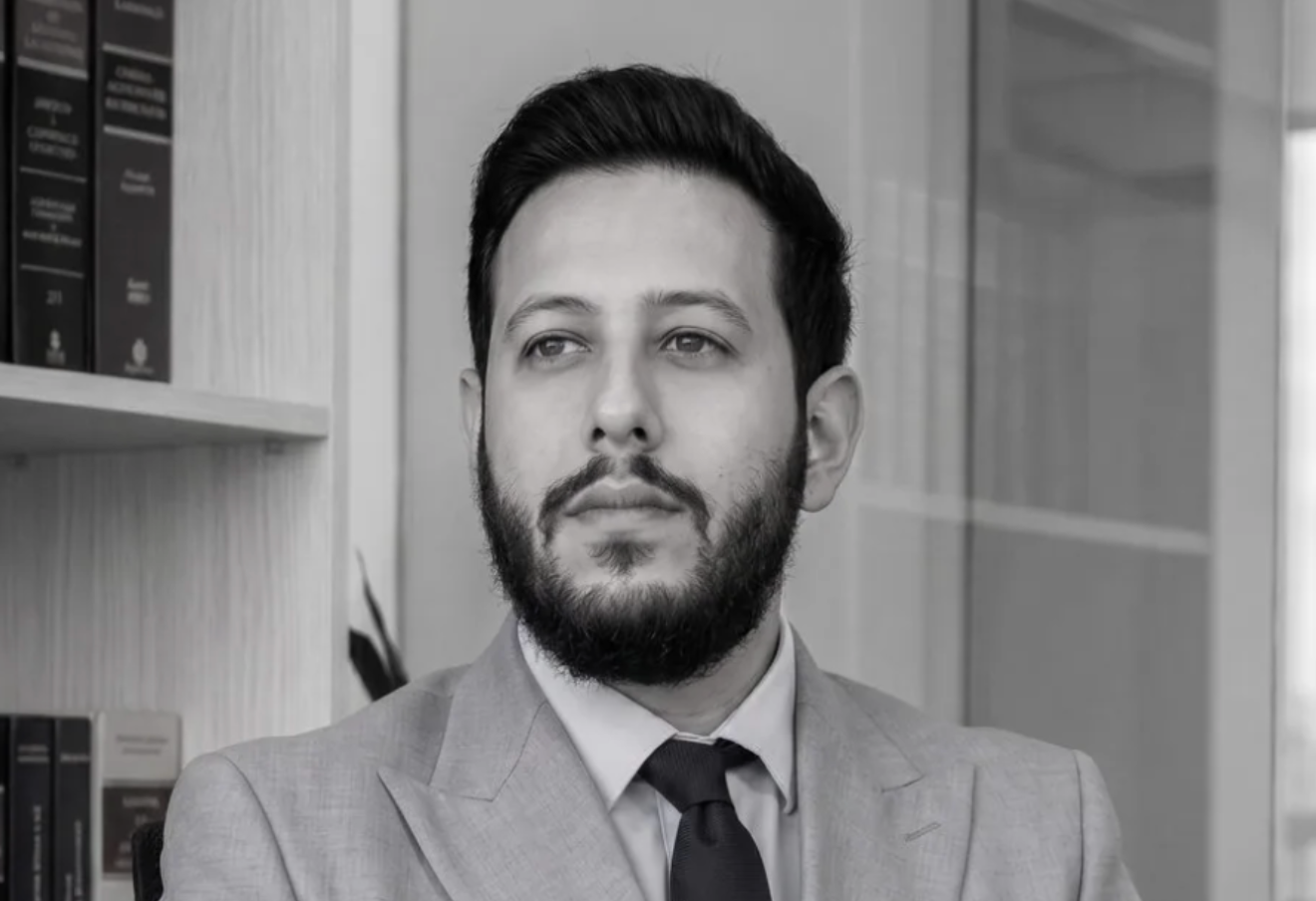

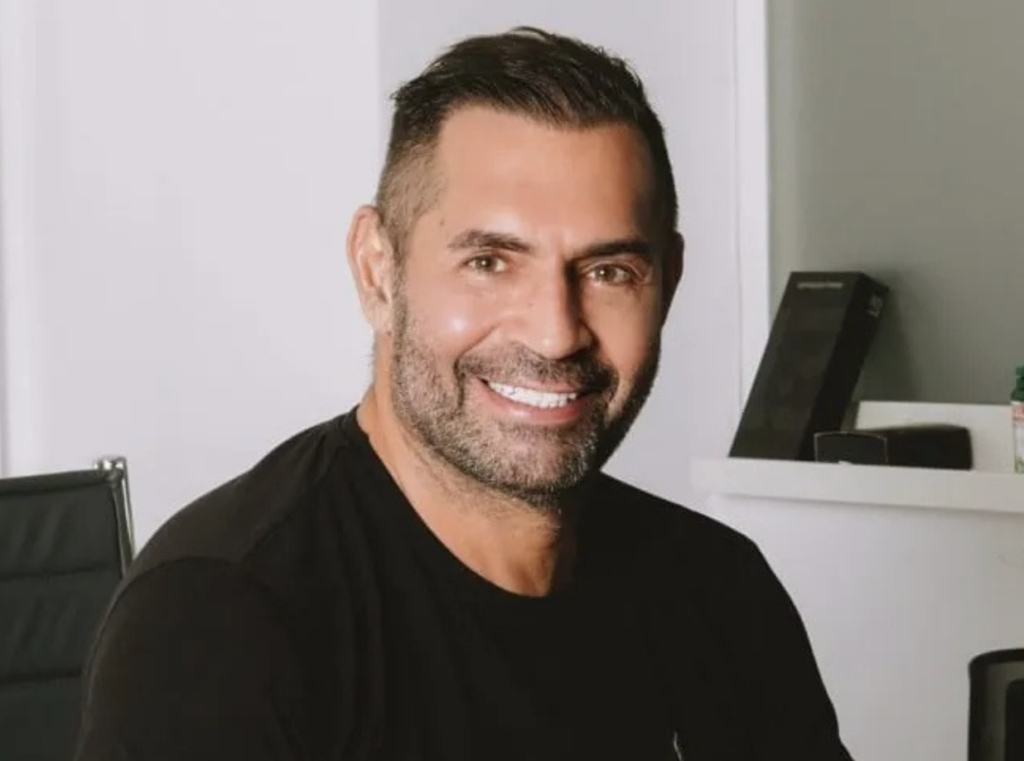
From alleged narco bosses to low-level street dealers, Alvaro Heredia Lara has defended suspects at every level of the illegal drugs trade.
- Who do you typically defend – street dealers or trafficking bosses?
- Is there a typical profile among your clients?
- What draws young people into the drugs trade?
- How has the profile of your clients changed?
- Do people understand the risks of accepting a seemingly minor job?
- Has the Costa del Sol drugs trade become more violent?
- How has technology changed the way traffickers operate?
- What do people misunderstand about your clients and your work?
- What makes defending an international case so difficult?
- What happens to families before a case reaches trial?
- Have you ever feared for your safety because of your work?
- What warning signs should families look for?
- What would you tell a young person who thinks they can make quick money and then walk away?
Speaking to The Spanish Eye today, the founder of Marbella-based RAKH Abogados lifted the lid on the young recruits taking the biggest risks, the families left behind and why he has never feared his clients.
It comes just weeks after a Marbella surgeon was assassinated by an alleged Swedish hitman inside his own clinic – with a disgruntled client suspected of having ordered the murder.
Having witnessed cases involving tonnes of drugs, Heredia Lara describes an increasingly international world in which the promise of easy money can quickly unravel.
He explains what draws people in, what the public misunderstands and the warning he would give anyone tempted to follow suit.
This interview has been translated from Spanish and edited for length and clarity.
Who do you typically defend – street dealers or trafficking bosses?
I have been fortunate, so to speak, to defend every link in the chain. From what the newspapers would call ‘the boss’ down to the last dealer on the street.
And also everyone in between, including the person who takes fuel to the boat, the one who organises the logistics, the one who buys the provisions, the intermediary, the transporter.
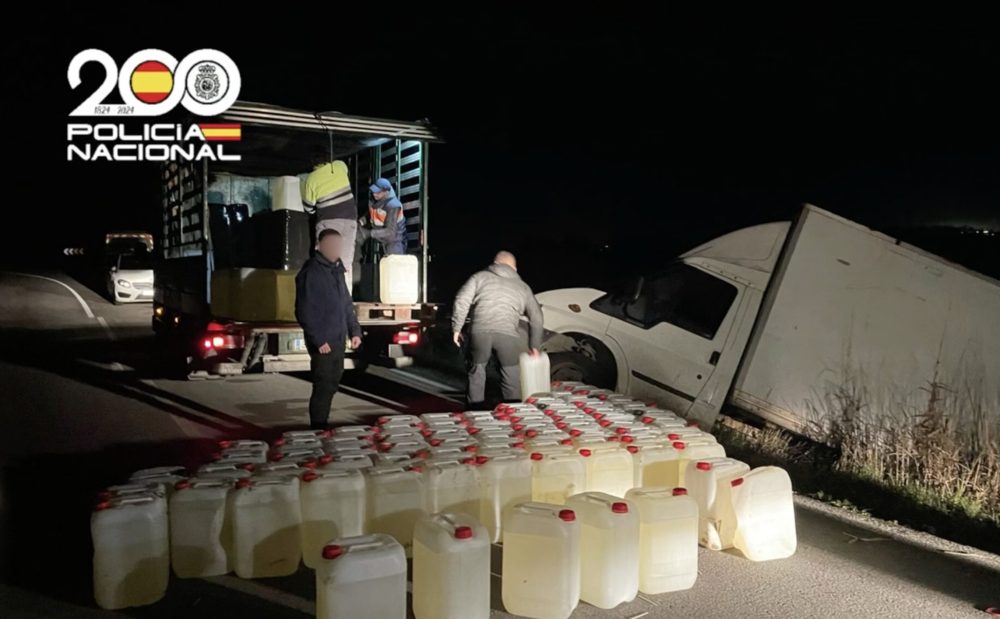
I have also handled the defence in operations involving more than a thousand kilos of cocaine and hashish. When you see the entire chain, you understand that these are very different worlds, even if they all end up in the same dock.
Is there a typical profile among your clients?
There is no single profile, especially in this world. What there are, however, are common denominators, such as a lack of education and broken families. That comes up again and again.
As for age, there is no pattern, but I will tell you one thing, this world does not let you grow old peacefully. Nobody retires from this.
What draws young people into the drugs trade?
A lack of values, a lack of education, problems at home. But I want to be very clear about something, because it is the most frequently repeated lie: this is not a way to make money.
The young person who gets involved is always the weakest link, the one who takes the greatest risk for the least money. He puts his face to it and others take the profits.
It is not easy money, not at all. And many realise that when they are already in prison.
There is another, smaller group who do not decide to take up anything as it already runs in the family. They were born into it.
How has the profile of your clients changed?
A few years ago, the profile was more local and more recognisable; today it is much more international and varied, and new entry points have emerged that did not exist before.
I cannot give any more details about that, for reasons you will understand.
Do people understand the risks of accepting a seemingly minor job?
In most cases, they are not aware.
And there is something the public does not know. In drug trafficking offences, particularly those involving large shipments, what is punished is the danger, not the actual harm. The drugs do not have to reach anyone.
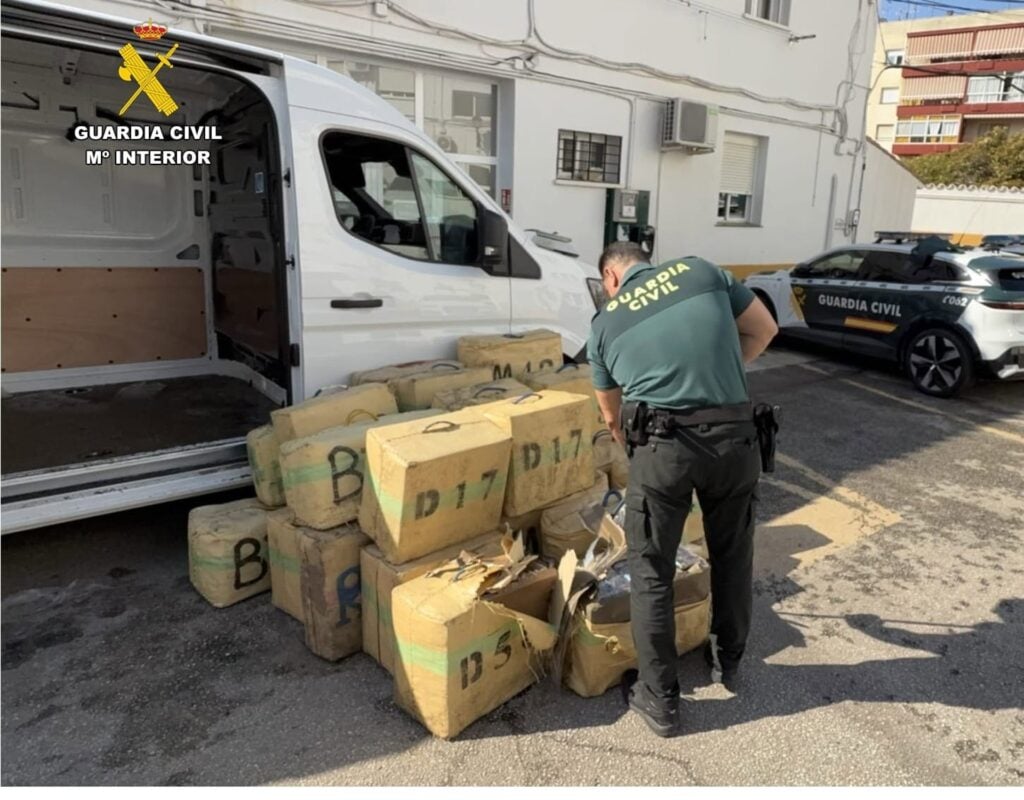
Our Supreme Court considers anyone who facilitates or promotes trafficking to be a perpetrator of the offence. Pay attention to those two words: facilitate, promote. Almost anything can fall within that.
The person who lends the car, the one who keeps the package for a night, the one who takes petrol to the beach.
People do not know this until it is too late.
Has the Costa del Sol drugs trade become more violent?
Honestly, I do not think there is more violence than before.
What has changed is that everyone now carries a mobile phone in their pocket and everything gets recorded. Before, it happened and nobody saw it, now everyone sees it.
How has technology changed the way traffickers operate?
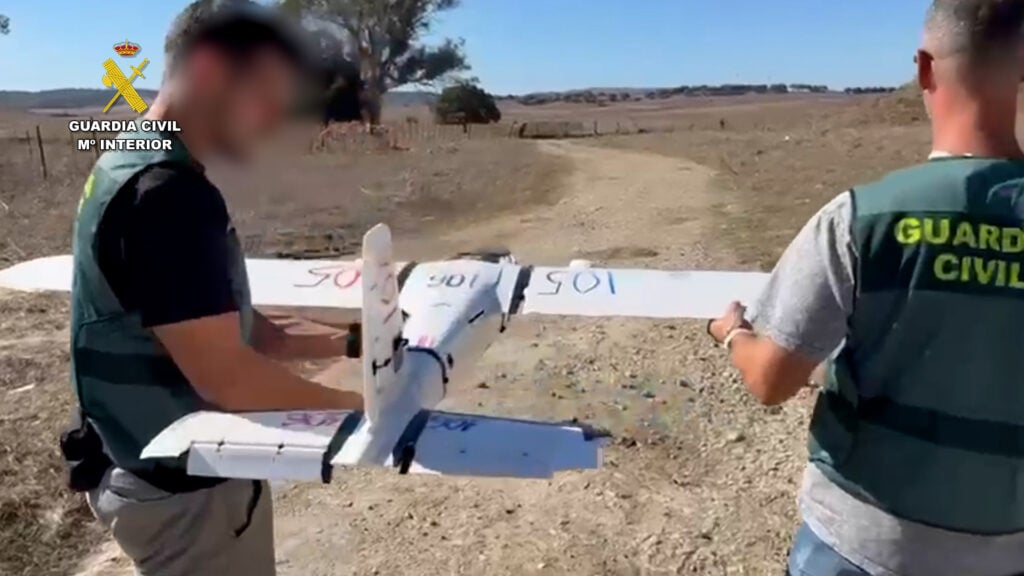
That has certainly changed. There is bitcoin, satellite phones, encrypted phones, PGP, disposable handsets.
But I will tell you something that many of those who use them would like to know: bitcoin is not hidden. It is perfectly traceable, the technology exists and I have personally traced several.
And the same applies to ‘encrypted’ phones. EncroChat is the example. A network that was sold as impenetrable, which France infiltrated in 2020.
The tool they bought to protect themselves has now become the main evidence against them.
What do people misunderstand about your clients and your work?
About the defendants, three things. Firstly, most are victims of their own bad decisions, not criminal masterminds. Second, the appalling lack of education from birth, for whatever reason. Third, the lack of resources.
Those three things explain how they become involved more than any film or other influence.
As for lawyers, I have never cared what people think about me defending these people. Everyone has the right to a defence, and I do my job.
The only line I have drawn for myself is offences involving paedophilia and the sexual abuse of minors. I do not take those cases.
What makes defending an international case so difficult?
Right now, I am coordinating with colleagues in France and Israel to secure a client’s release in a third country.
And I will tell you that, honestly, the problem is not the lawyers. We understand one another and work well together. The problem is how far the family’s resources can stretch.
Paying four or five lawyers in different countries is far from cheap, and an adequate defence is often determined by what the family can or cannot afford.
What happens to families before a case reaches trial?
The judge assesses the risk of flight, of evidence being destroyed or of further offending, and decides whether to remand someone in custody.
That means a family can spend one, two or more years with the father, son or husband in prison without there having been a verdict yet.
It also depends a great deal on how many people are under investigation and the role attributed to that person. Being in charge is not the same as being on the periphery.
But that family’s daily life is shattered from the very first minute, long before anyone decides whether the person is guilty or innocent.
Have you ever feared for your safety because of your work?
I cannot speak on behalf of my colleagues, only for myself. And in my case, no.
My legal mentor, Julio Blasco Bazo, and my family taught me from a very young age that a harsh truth is worth more than a sugar-coated lie.
I never guarantee anything to a client, mainly because everything is decided by a judge, not by me.
Even when I was doing my master’s degree, at 24, I was already studying and seeing cases involving more than two thousand kilos.
These kinds of clients know perfectly well what they are alleged to have done and why they are under investigation. They do not come to be lied to; they come to be defended.
When you work like that, with the truth upfront, you have nothing to fear. That is my only precaution.
What warning signs should families look for?
I would tell a family to watch out for the usual things. These include money that does not add up given what the young person does, clothes or things they cannot afford, unusual hours, new friends they do not want to talk about, a second phone.
And above all, not to look the other way, because what is a suspicion today could be a call from the police station tomorrow.
What would you tell a young person who thinks they can make quick money and then walk away?
I would say two things.
One: you are not going to make easy money; you are going to be the one who earns the least and risks the most, and if it goes wrong, you alone will take the fall for what others have organised.
And two: you do not get out of this when you want to. You end up in prison, or you do not get out. I have seen both.
Read more Andalucia news at the Spanish Eye.