
The Policia Nacional has issued fresh advice on how to deal with calls from unknown numbers.
It comes as increasingly sophisticated telephone scams are making it harder to distinguish fraudsters from legitimate callers.
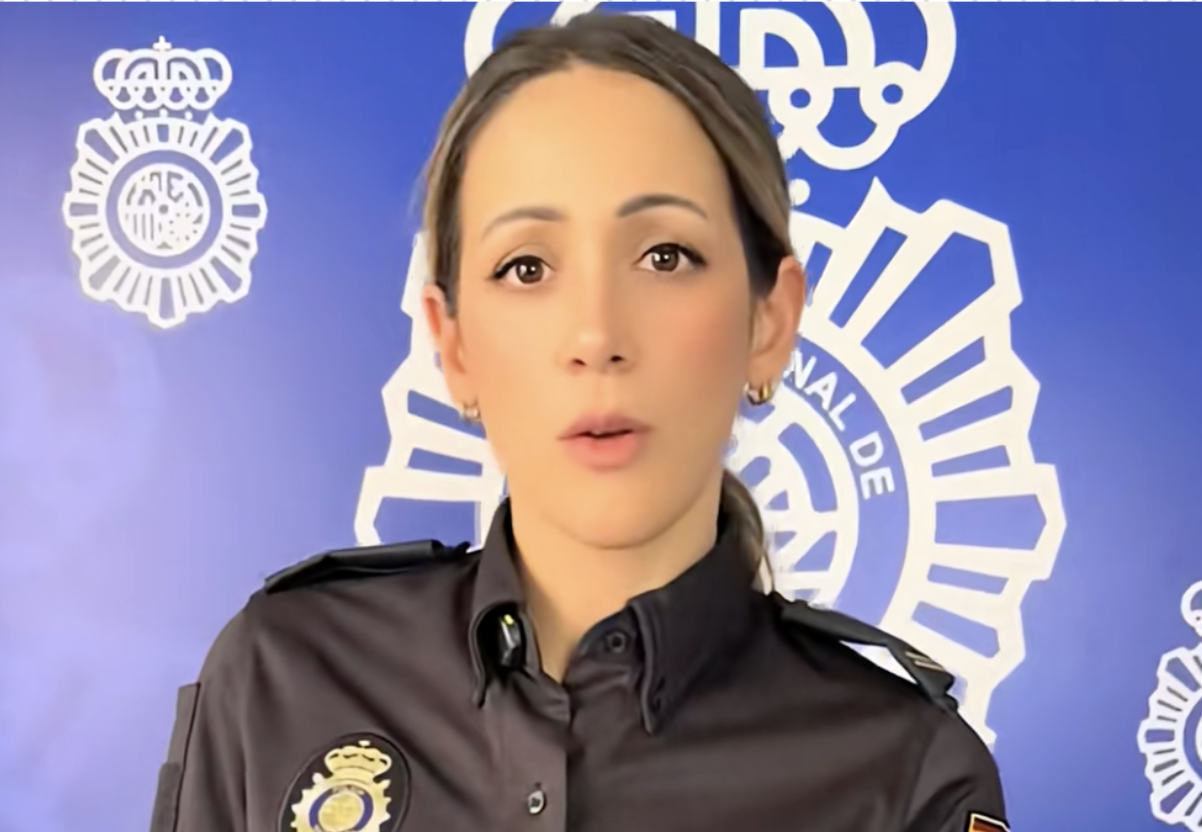
In a video shared on social media, an officer acknowledged a dilemma familiar to millions of people.
‘Unknown number: do I answer it or not?’ the officer begins.
‘There are so many different telephone scams that you no longer know how to get it right.’
Police recommend remembering a simple three-step technique known by its Spanish acronym LAP: Localiza, Autor y Proposito (Location, Author and Purpose).
The idea is to quickly establish where the call comes from, who is making it and why they want to speak to you before handing over any information.
L for Location
The first step is checking where the telephone number originates.
‘Identify where they’re calling you from,’ the officer advises.
‘If the prefix is from outside Spain, don’t answer it unless you’re expecting a call from that country.’
An unexpected international number should therefore immediately prompt extra caution, although an overseas prefix alone does not prove that a call is fraudulent.
A for Author
Next, establish who is actually calling.
Even when you recognise the person who appears to be on the other end of the phone, police recommend verifying their identity.
‘If you know the person, it doesn’t hurt to make sure it’s really them with some kind of security question,’ the officer says.
The advice has become particularly relevant as criminals increasingly use caller-ID spoofing and impersonation techniques to make calls appear more convincing.
If you do not recognise the caller and have no relationship with the company or organisation they claim to represent, the advice is much simpler.
‘Hang up,’ the officer says.
P for Purpose
Finally, ask yourself why the person is calling and what they want from you.
This is particularly important when a supposedly legitimate caller begins requesting sensitive information.
‘Why or what are they calling you for?’ the officer says.
‘If they ask you for banking or personal details, hang up immediately.’
Fraudsters frequently attempt to create a sense of urgency, for example by claiming there is suspicious activity on a bank account, an outstanding payment or another problem requiring immediate action.
The Policia Nacional therefore urges people not to allow fear or pressure to dictate their response.
‘When in doubt, don’t let yourself be carried away by fear or haste,’ the officer concludes.
Anyone who receives a suspicious call claiming to be from their bank, utility provider or another organisation can also end the conversation and contact the organisation independently through its official telephone number rather than continuing with the incoming caller.