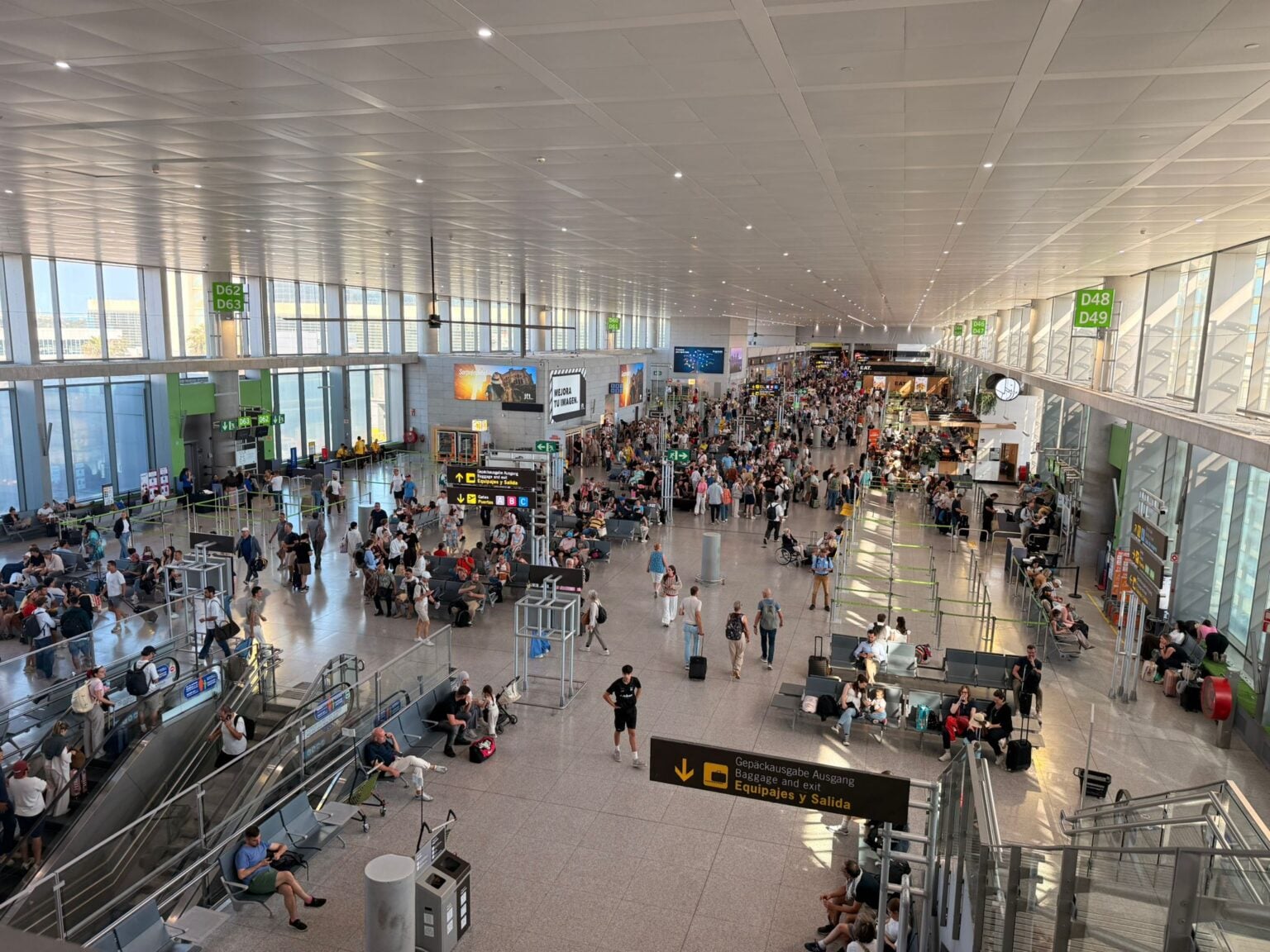

Malaga Airport is nearing its passenger limit and urgently needs an expansion to cope with soaring demand, the president of AENA has warned.
In an interview with El Conciso, Maurici Lucena said the travel hub is the Andalucian airport most in need of investment as passenger numbers continue to hit record highs.
‘It is clearly the airport in Andalucia that needs the most investment in terms of capacity because it is approaching its limit,’ Lucena said.
Around €1.5billion has been earmarked for the airport’s expansion, although the investment will be spread over more than one five-year spending programme.
Between 2027 and 2031, Andalucia’s airports are due to receive €1.27billion in investment, with around €235million allocated to Sevilla Airport.
That leaves roughly €1billion for Malaga Airport, with the remaining funding expected in the following investment cycle.
The airport is currently designed to handle around 30million passengers a year. Once the expansion is complete, capacity is expected to increase to around 36million passengers – the maximum possible without expanding beyond the airport’s existing footprint.
The warning from Spain’s airport operator comes after Malaga welcomed more than 13.2million passengers during the first six months of the year, a 6.7% increase compared with the same period last year.
Flight operations also rose by 4.5%, reaching more than 91,000.
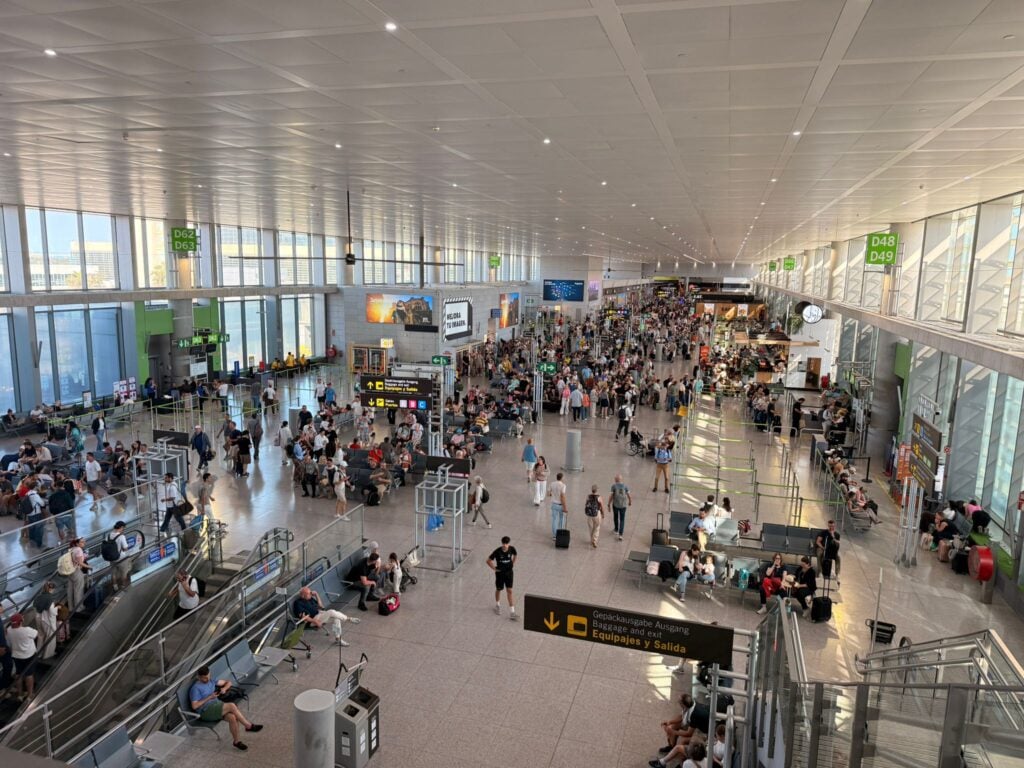
The busiest days have already seen more than 100,000 passengers pass through the airport, with July and August expected to surpass those figures during the peak summer season.
The expansion will almost double the size of the terminal area from 80,000 to 140,000 square metres.
Plans include demolishing the old Terminal 1 and the current B and C piers to make way for a larger, more modern facility.
A new non-Schengen pier with centralised passport control will be built, while security screening areas, baggage handling systems and aircraft boarding gates will all be expanded to improve passenger flow and reduce congestion.
Commercial areas inside the terminal will grow by 41%, VIP lounges by 43%, while passport control capacity for departing non-Schengen passengers will increase by more than 500%.
Outside the terminal, AENA also plans to improve road access and expand parking facilities, while new taxiways will be constructed to improve aircraft movements. The airport’s runways are considered capable of handling future traffic growth without major changes.
Importantly, all of the works are expected to be carried out while the airport remains fully operational.