
Anyone who lives in Andalucia knows that the autumn months offer the best opportunity to explore the hundreds of pueblos and cities that make the region so unique.
The tourists (most of them) have gone home, and the unbearable temperatures have disappeared, often ushering in an Indian summer.
It means mountain routes and the quintessential cobbled, white-washed villages are easier to traverse.
Below are some of the best places on offer in Malaga.
Frigiliana
Perched in the hills above Nerja, Frigiliana is regularly named among the most beautiful villages in Spain.
Its historic Moorish quarter, known as the Barribarto, is a maze of spotless white houses, blue doors, flower-filled balconies and steep cobbled lanes.
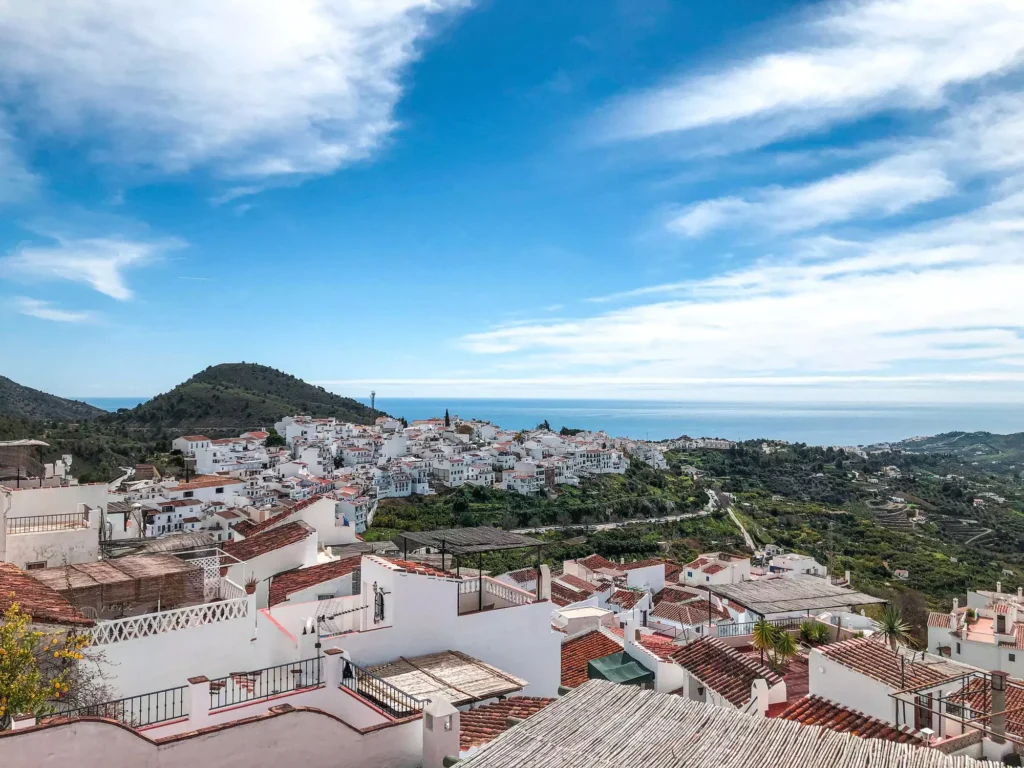
Ceramic plaques placed around the old town recount the history of the Morisco population and the bloody rebellion that culminated in the Battle of the Rock of Frigiliana in 1569.
Visitors should begin around Plaza de las Tres Culturas before climbing Calle Real towards the upper neighbourhood. The higher streets lead to several viewpoints overlooking the white rooftops, surrounding mountains and Mediterranean coast.
Other landmarks include the 17th-century Fuente Vieja, the Church of San Antonio and El Ingenio, a Renaissance building that houses Europe’s only surviving factory producing traditional sugar cane honey.
Frigiliana is exceptionally popular during summer, particularly when day-trippers arrive from Nerja. Visiting in late September or October makes its steep lanes considerably more pleasant.
The cooler weather also provides better conditions for exploring the nearby Sierras de Tejeda, Almijara y Alhama Natural Park, although walkers should check the difficulty of their route and carry sufficient water.
Local specialities include aubergines with sugar cane honey, migas, goat meat and sweet local wine.
Frigiliana is approximately 50 minutes by car from Malaga city and around 15 minutes from Nerja.
Ronda
Ronda is hardly undiscovered, but the extraordinary clifftop town feels very different once the peak-season coach tours begin to thin out.
Its defining attraction is the Puente Nuevo, the monumental stone bridge spanning the deep Tajo gorge. Completed in the 18th century, it connects the newer commercial district with Ronda’s historic old town.
The classic photograph can be taken from the viewpoints beneath the bridge, although the descending paths are steep and require suitable footwear.
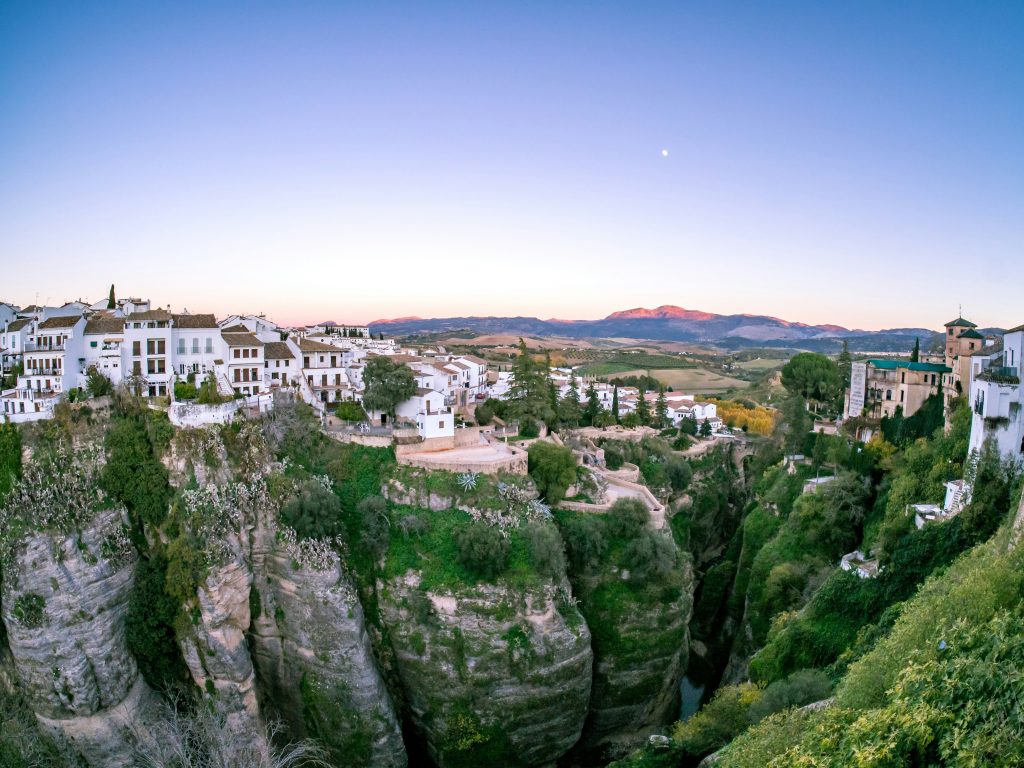
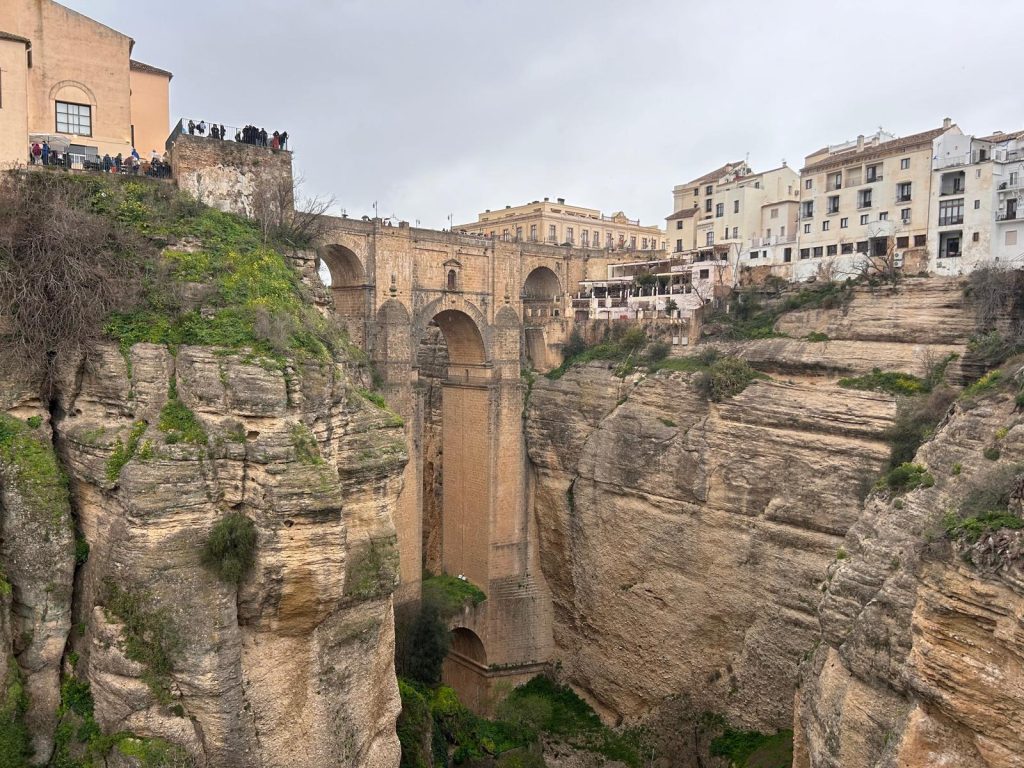
Visitors should also explore the old Arab quarter, the remarkably well-preserved Arab Baths and the Casa del Rey Moro, where a staircase cut into the gorge descends towards the Guadalevin river.
Ronda’s bullring is one of the oldest and most historically important in Spain, while the Alameda del Tajo offers dramatic views across the surrounding countryside.
Autumn is particularly attractive in the Serrania de Ronda. Temperatures are more comfortable for walking and the surrounding vineyards enter one of their busiest periods of the year.
Several wineries around the town offer tastings and guided visits, although reservations are recommended during the grape harvest.
Ronda’s traditional dishes include oxtail, chestnut-based recipes, game meats and beans cooked with tomato, garlic and cured meats. Its increasingly respected red and white wines are protected under the Sierras de Malaga designation.
The town is approximately 90 minutes from Malaga city and a little over an hour from Marbella by car.
Casares
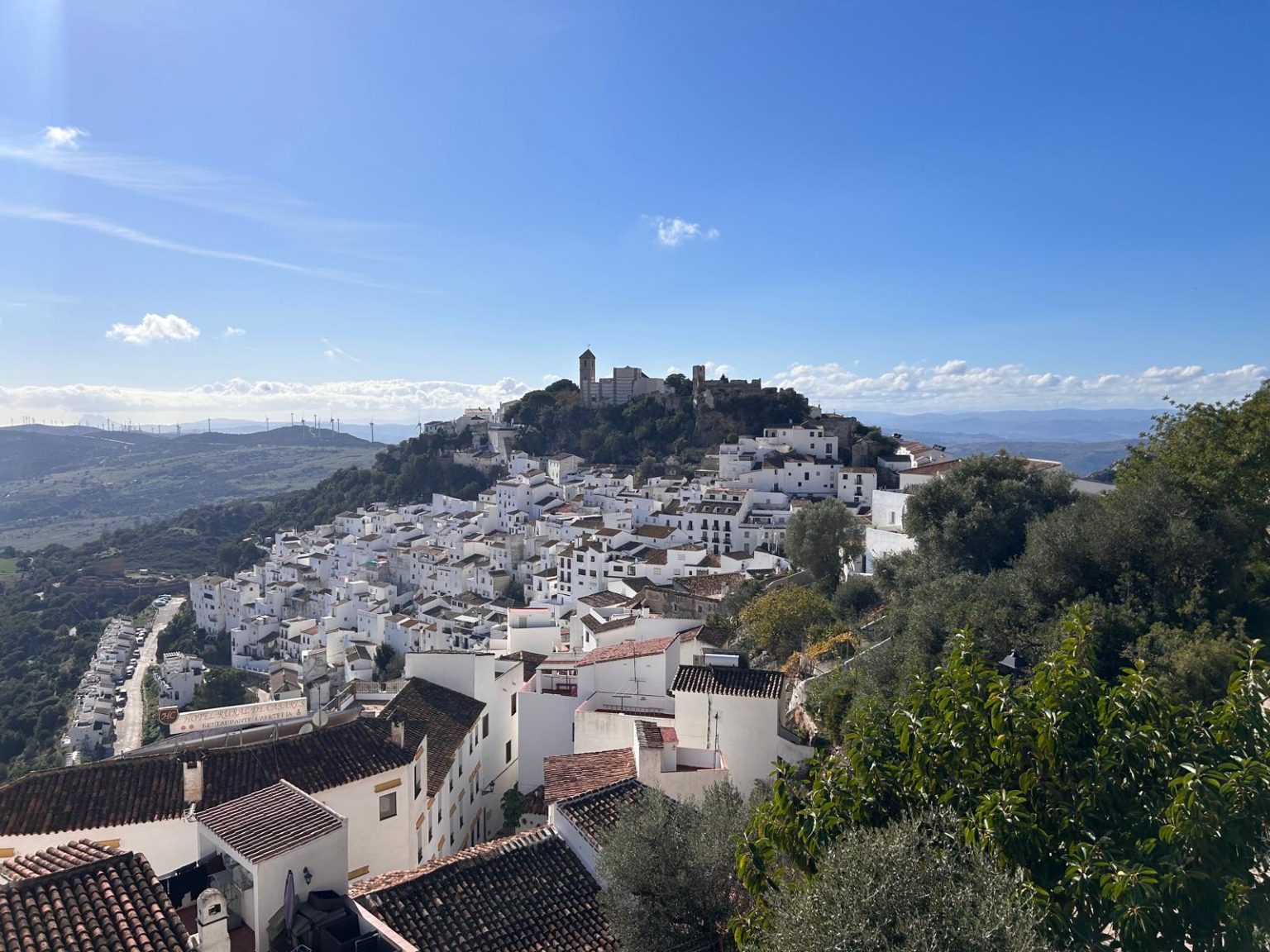
Casares appears to tumble down the side of a mountain, with densely packed white houses gathered beneath the ruins of a medieval fortress.
Located inland from Estepona, it offers one of the most impressive approaches of any village on the western Costa del Sol.
The best views are found around the remains of Casares Castle, constructed during the Muslim period because of the settlement’s strategic position. From the upper village, visitors can look across the surrounding valleys towards the Mediterranean and, in clear conditions, the coast of North Africa.
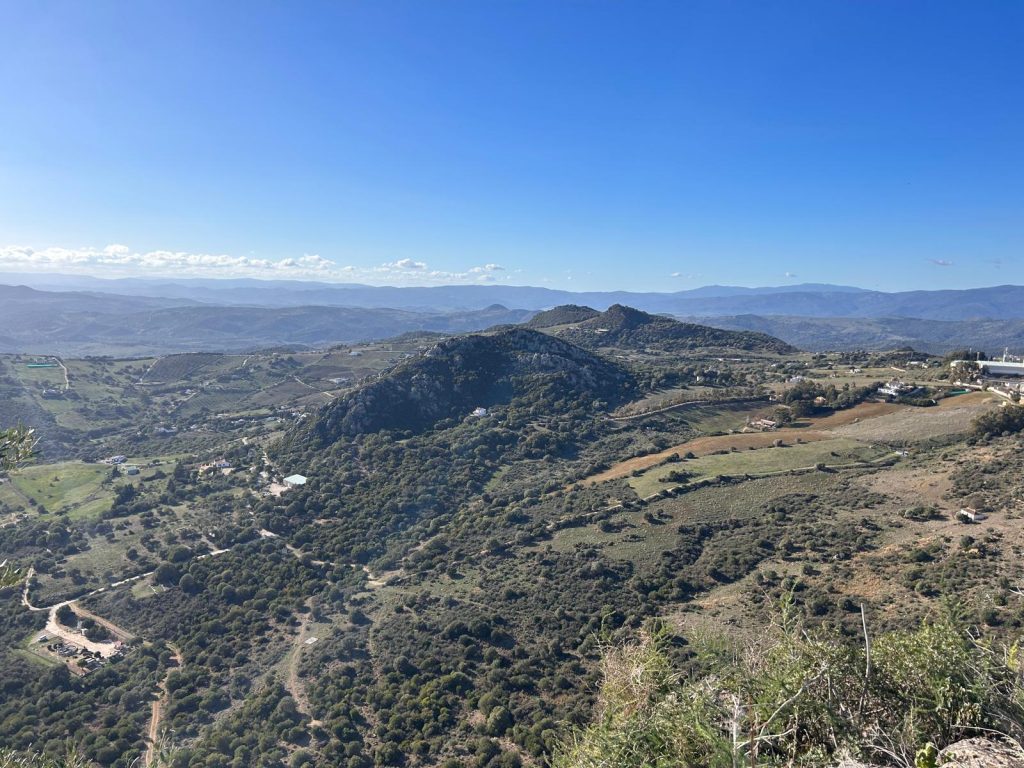
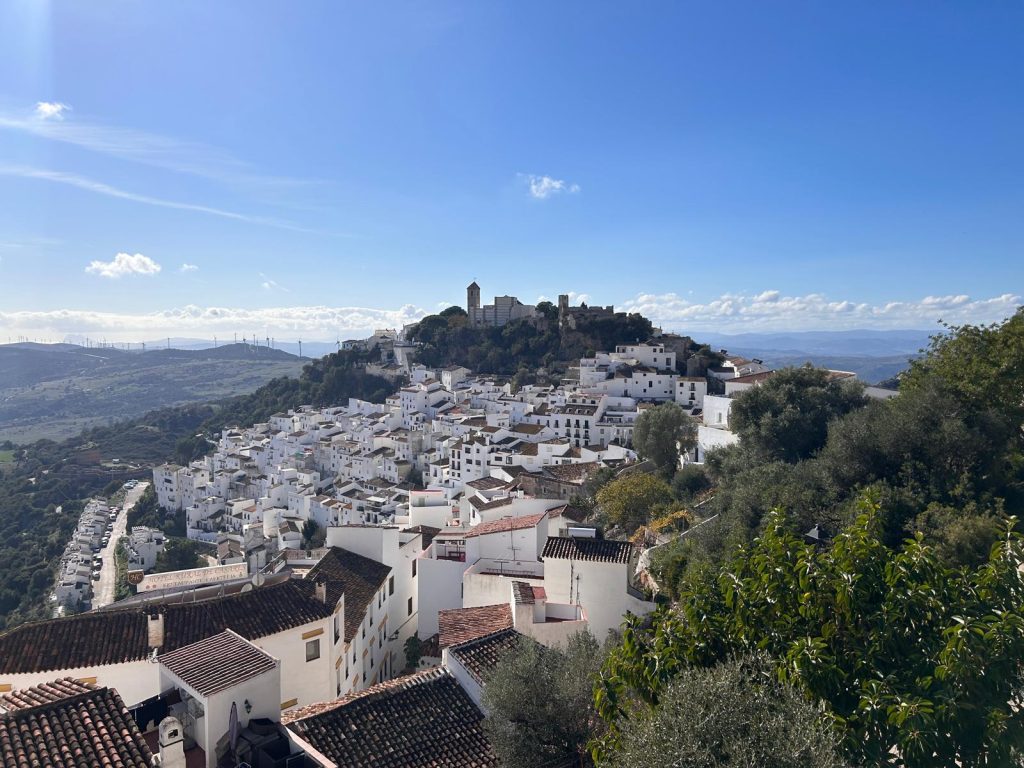
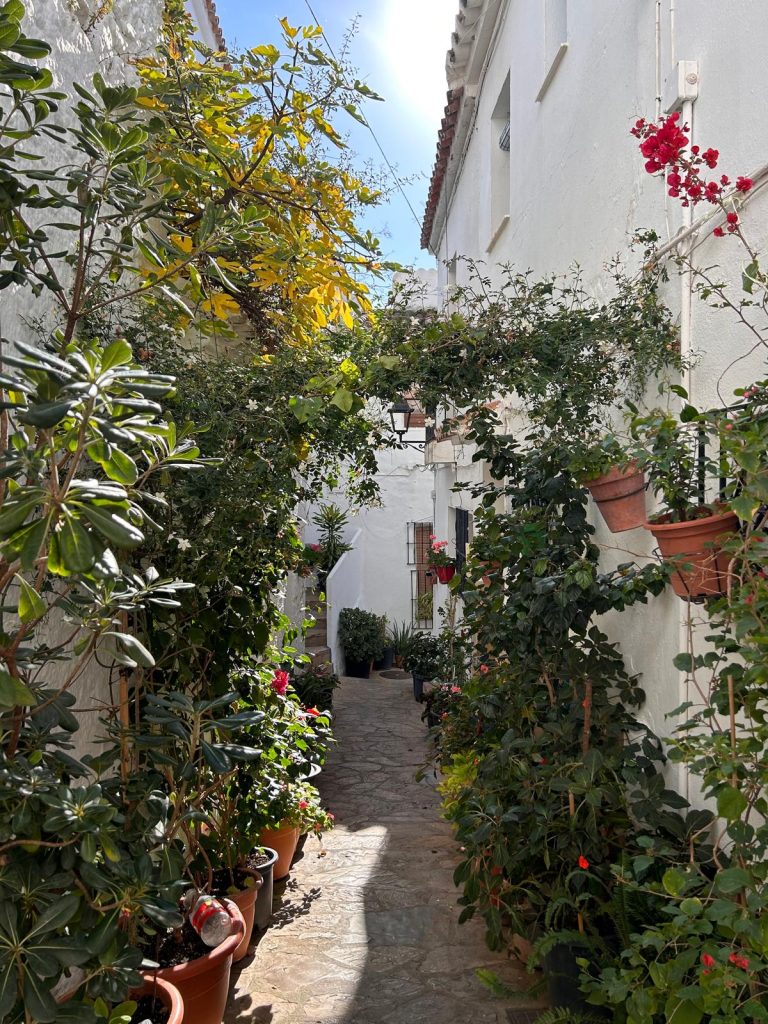
The village is also the birthplace of Blas Infante, widely regarded as the father of Andalucian nationalism. His childhood home on Calle Carrera has been converted into a small museum examining his life and political legacy.
The narrow centre rewards aimless exploration, although the slopes are steep and sturdy shoes are advisable. Visitors may also spot griffon vultures circling above the nearby Sierra Crestellina.
A short drive outside the village are the Baños de la Hedionda, sulphurous baths whose origins are traditionally linked to the Roman period. Access and parking arrangements can change according to the season, so visitors should check locally before making the journey.
Casares is an excellent lunch destination, with restaurants serving mountain stews, grilled meats, local cheeses and dishes prepared using produce from the surrounding countryside.
It is approximately 25 minutes from Estepona, 45 minutes from Marbella and around 90 minutes from Malaga city.
Genalguacil
Deep within the Genal Valley is a tiny white village that has turned itself into an open-air contemporary art museum.
Genalguacil has accumulated more than 100 works of art across its streets, squares, rooftops and surrounding landscape.
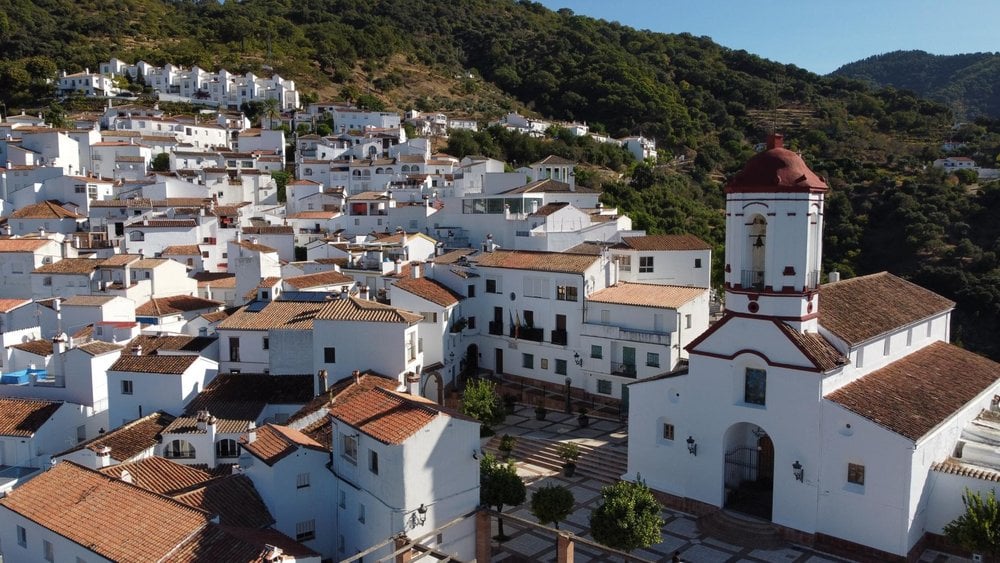
Sculptures, murals, mosaics and installations appear unexpectedly between its traditional white houses, earning it the nickname Pueblo Museo, or museum village.
Many of the works were created during the village’s regular artistic gatherings, when selected artists stay in Genalguacil and produce pieces inspired by the community and its natural surroundings.
The result is unlike anywhere else in Andalucia. Contemporary sculptures sit beside old fountains, steep stone lanes and houses decorated with colourful pots.
The Fernando Centeno Lopez Museum of Contemporary Art provides further information about the project and displays works that cannot remain outside.
Genalguacil is surrounded by forests of chestnut, cork and pine trees. The landscape becomes especially beautiful during autumn as the chestnut trees change colour and the Genal Valley acquires shades more commonly associated with northern Spain.
The village is extremely peaceful outside major events, although its isolation requires some planning. The approach involves narrow and winding mountain roads, and drivers should avoid rushing the journey or relying blindly on a navigation app’s shortest suggested route.
Genalguacil is around 90 minutes from Estepona and approximately two-and-a-half hours from Malaga city, depending on the route and road conditions.
There are several places to eat and stay, but choices are limited, making advance reservations advisable.
Visitors should try chestnuts, wild mushrooms when in season, cured meats and hearty mountain dishes.
Read more Andalucia news at the Spanish Eye.