
Visitors searching for an Andalucian city packed with history but without the crowds and prices of Sevilla, Cordoba or Ronda may want to put this lesser-known gem on their list.
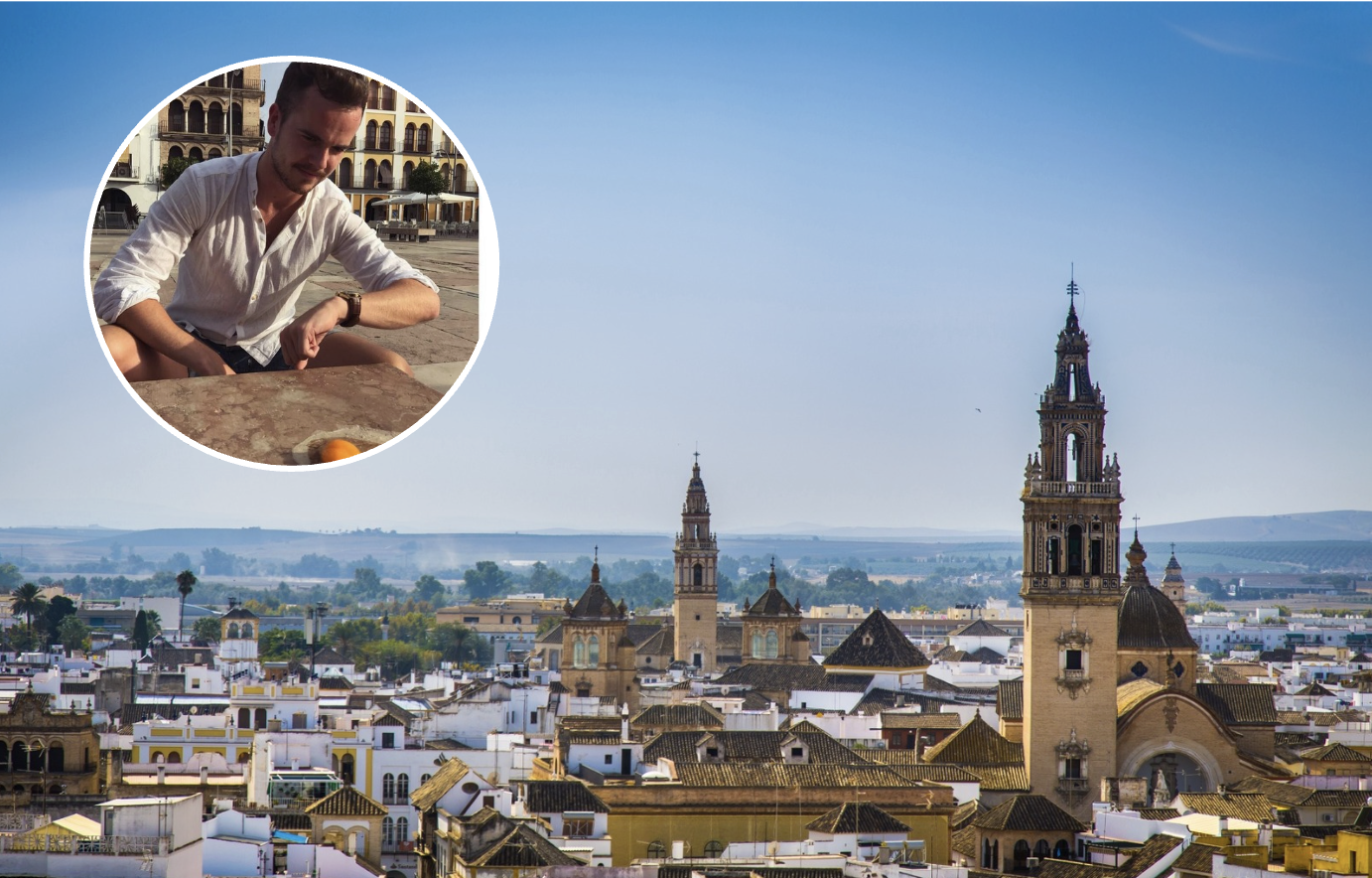
Situated around 80km from Sevilla and 53km from Cordoba, it has earned the nickname ‘the Florence of Andalucia’ thanks to its remarkable collection of palaces, churches and ornate Baroque towers.
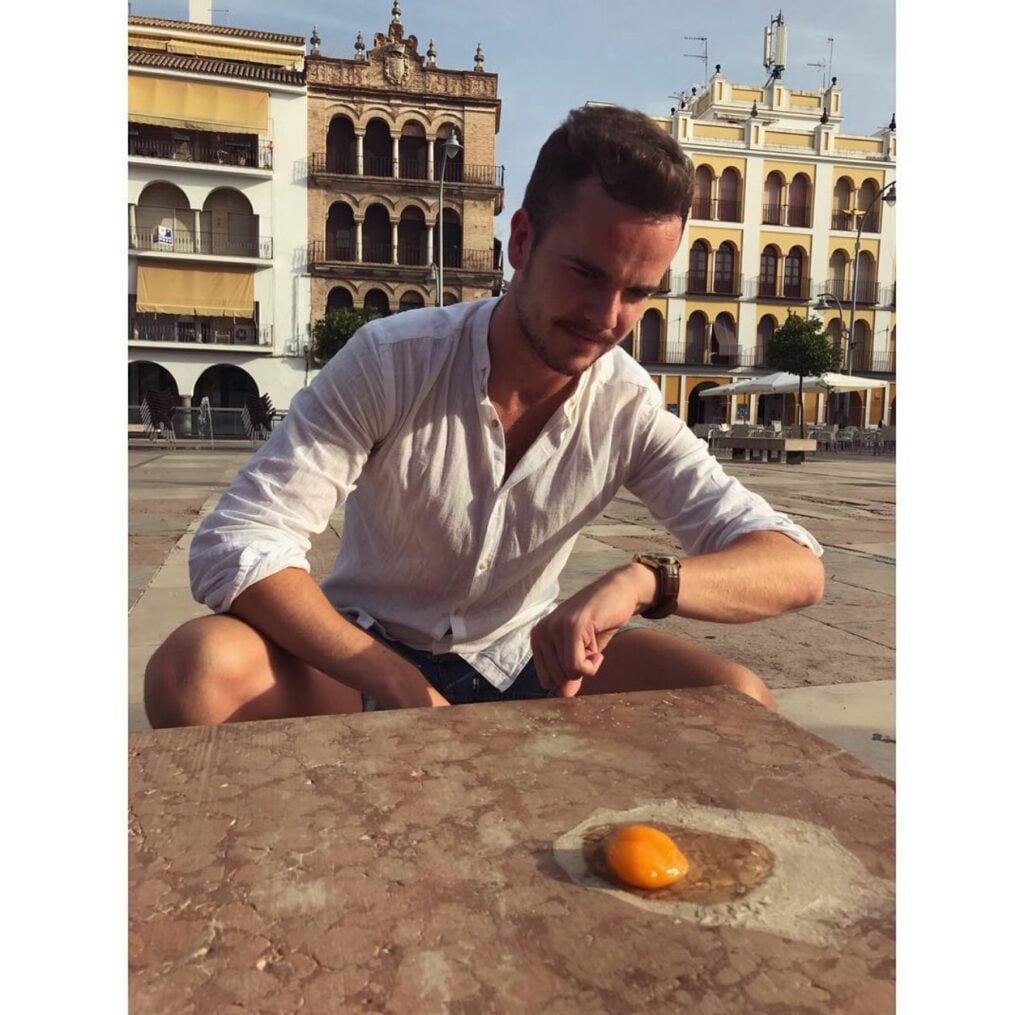
And the latter half of September is arguably one of the best months to visit – given it is dubbed ‘the frying pan of Spain’ during the peak summer months.
The town in question is Ecija, and as conditions begin to ease as autumn approaches, its historic centre is far more comfortable to explore on foot.
It can also offer considerably better value than Andalucia’s headline destinations, with some hostels and hotels advertised for around €30 to €40 per night, according Viajar magazine.
The ‘Florence of Andalucia’
Ecija’s skyline is dominated by its towers and domes, the legacy of an extraordinary period of prosperity during the 18th century.
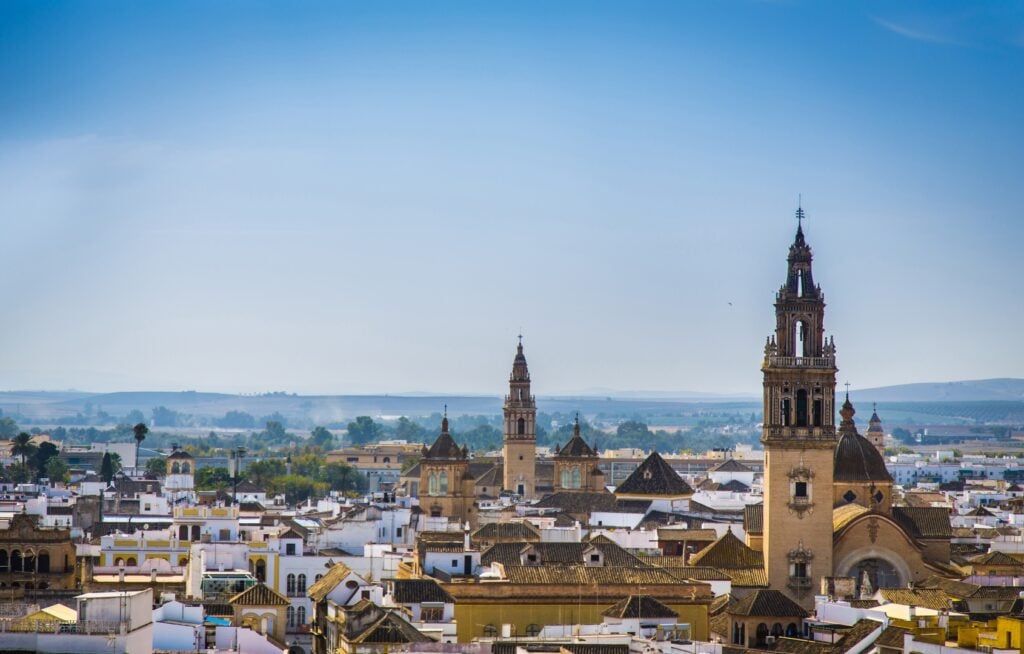
The town’s own tourism office describes that period as its ‘golden century’, when aristocratic and ecclesiastical wealth produced an explosion of Baroque architecture.
Today, the historic centre retains what the municipality describes as one of the finest collections of Baroque architecture and art in Andalucia, and possibly the Iberian Peninsula.
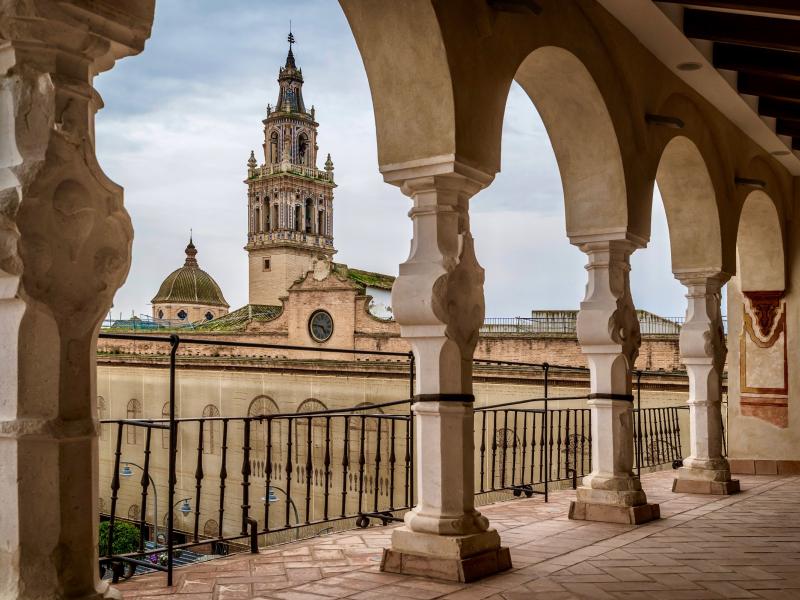
Among its most striking sights is the Palacio de Peñaflor, one of Ecija’s best-known landmarks.
Its huge curved façade is decorated with 18th-century frescoes and incorporates a 59-metre balcony, while its viewpoint offers panoramic views over the city’s distinctive skyline and 11 towers.
The tower of the Church of San Juan is another highlight and is regarded locally as one of the most beautiful in Ecija.
The church has Gothic-Mudejar origins but underwent major changes over subsequent centuries, with its celebrated tower emerging from the city’s later period of architectural splendour.
Rich history
Ecija’s story goes much further back than the Baroque era.
Its origins can be traced to at least the 8th century BC, while under Roman rule it became Colonia Augusta Firma Astigi, one of the most important cities in Roman Baetica.
Remains from that period can still be found around the town, while the Municipal Historical Museum, housed inside the Baroque Palacio de Benamejí, contains an extensive archaeological collection including important Roman finds.
The town’s architectural importance was formally recognised in 1966 when its centre was declared a Historic-Artistic Site.
Despite that heritage, Ecija has never attracted tourism on the scale of Sevilla, Cordoba or some of Andalucia’s more internationally famous towns.
That means visitors can still wander through its plazas, churches and palace-lined streets at a relatively relaxed pace.
Read more Andalucia news at the Spanish Eye.