
Malaga province has detected its first human case of West Nile virus this year.
The infection has been detected in Pizarra, an inland town around 30km northwest of Malaga city, according to the latest update from the Junta de Andalucia.
It is one of two new human cases confirmed on Thursday, September 3, with another detected in Almonte, Huelva.
The latest infections bring the number of confirmed human cases across Andalucia this year to 62, including two deaths.
Until now, infections had been concentrated in Sevilla and Huelva provinces.
Sevilla accounts for 56 of the 62 cases, followed by Huelva with five and now Malaga with one.
Of all confirmed patients, 38 have suffered mild illness while 24 developed neuroinvasive disease, the more serious form of West Nile infection.
A total of 27 people have required hospital treatment since the beginning of the outbreak and 10 remain in hospital, while two patients have died.
Pizarra placed on alert
Following confirmation of the infection, Pizarra has been officially designated a West Nile alert area.
It means heightened measures are expected to remain in place until at least October 1.

There are now 32 municipalities across Andalucia under alert because of circulation of the virus.
In Malaga province these include Pizarra, Cartama, Malaga city and Campanillas. Other alert areas are located across Sevilla, Huelva, Cadiz, Almeria and Jaen.
Alert status means authorities must intensify monitoring of mosquitoes, animals and humans, while councils are required to step up mosquito-control treatments.
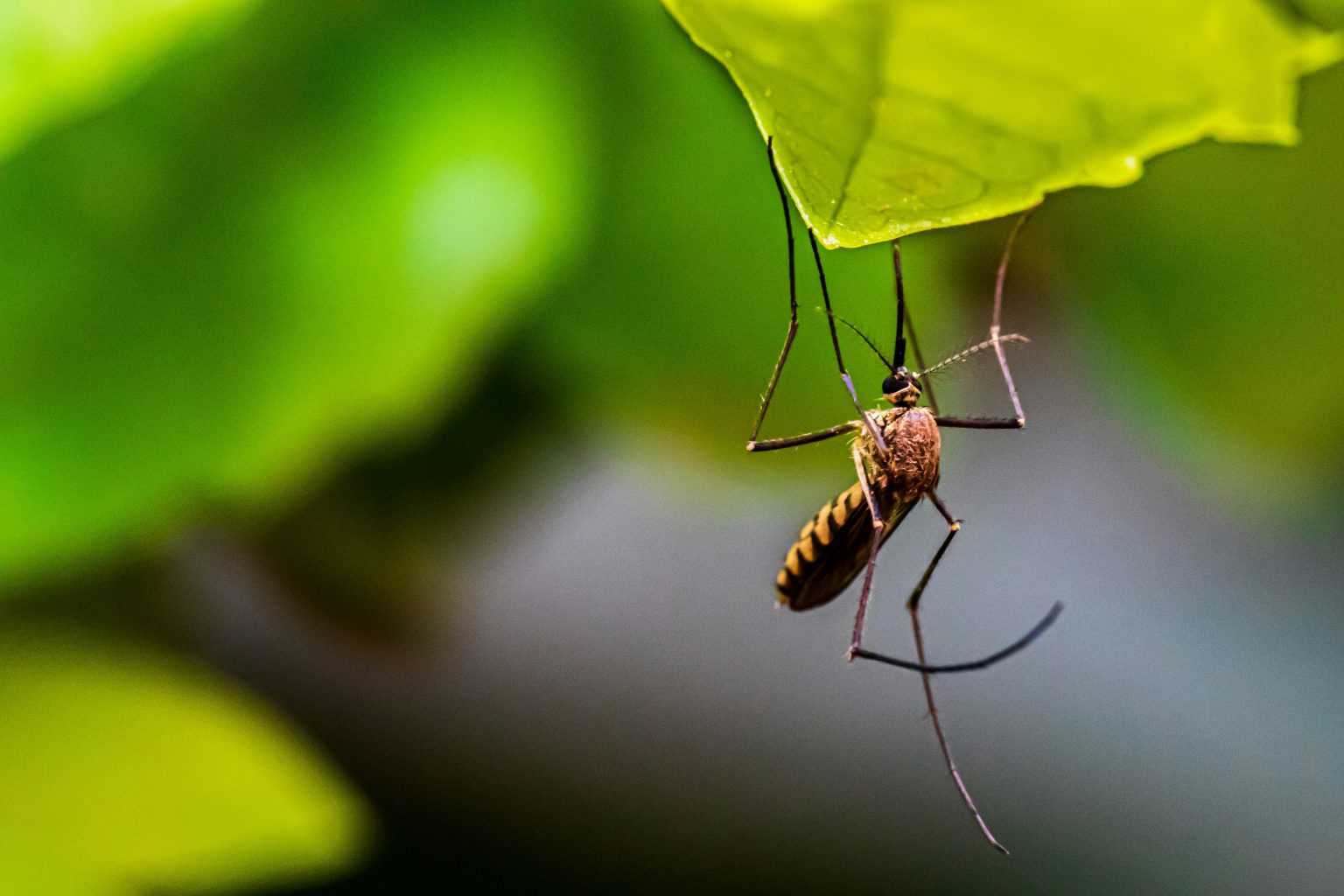
West Nile virus is primarily transmitted to humans through the bite of an infected mosquito.
Most people who become infected do not develop symptoms, while those who do can experience fever, headaches, body aches, vomiting or rashes. A small proportion can develop severe neurological illnesses such as encephalitis or meningitis.
The Junta has urged residents, particularly vulnerable people, to take precautions against mosquito bites.
These include using approved insect repellent, wearing light-coloured clothing that covers as much skin as possible and using mosquito nets or household insecticides.
Residents are also being asked to remove sources of stagnant water from around their homes, including water collecting in plant pots, buckets, toys and gardens, as these can provide breeding grounds for mosquitoes.
Read more Andalucia news at the Spanish Eye.