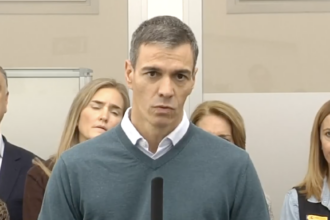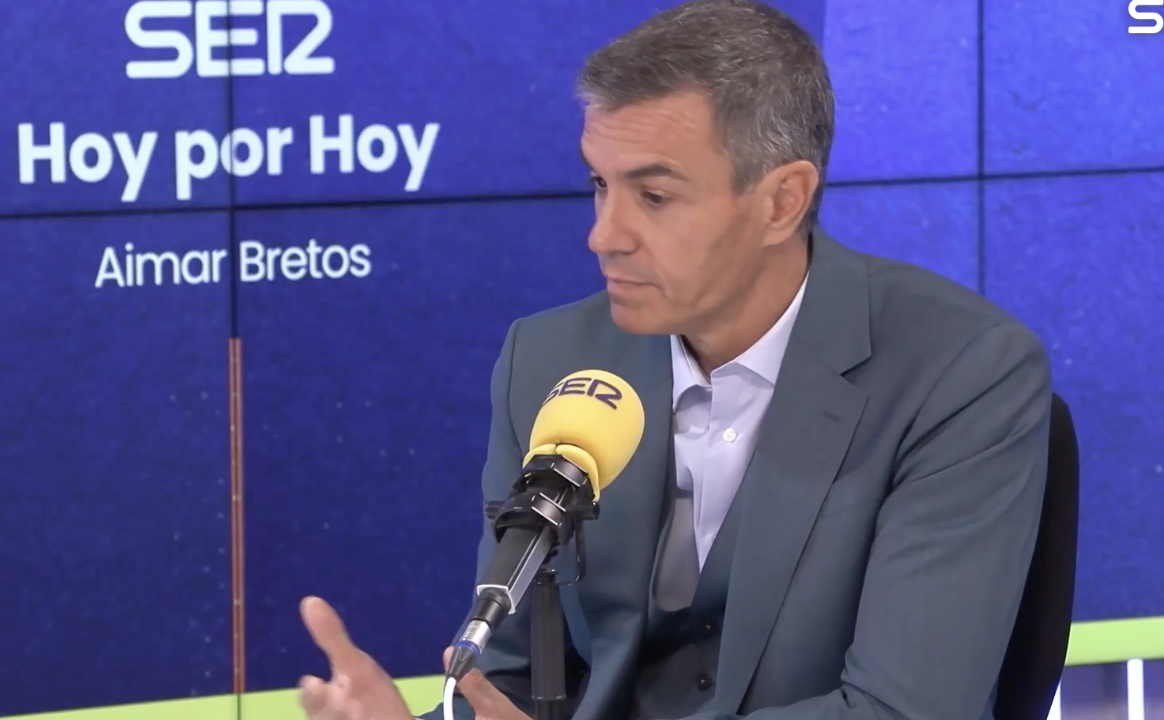

Pedro Sanchez has insisted there is no evidence that Morocco was behind the mass migrant crossing into Ceuta, instead pointing the finger at disinformation campaigns ‘originating in Russia and Israel’.
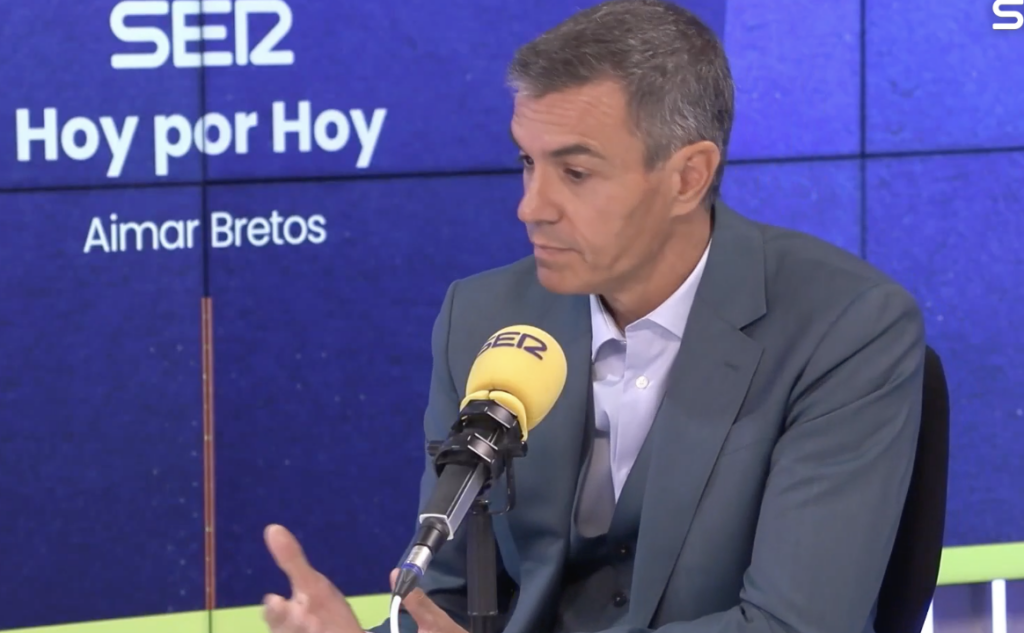
Speaking to Cadena SER on Monday, the prime minister said around 70,000 people entered the enclave on July 30 and 31, but that nine out of ten have since returned.
‘Five thousand migrants remain in Ceuta, of whom 1,200 are minors,’ he said.
‘In a short time we are going to have sufficient capacity to accommodate the migrants who have remained in Ceuta.’
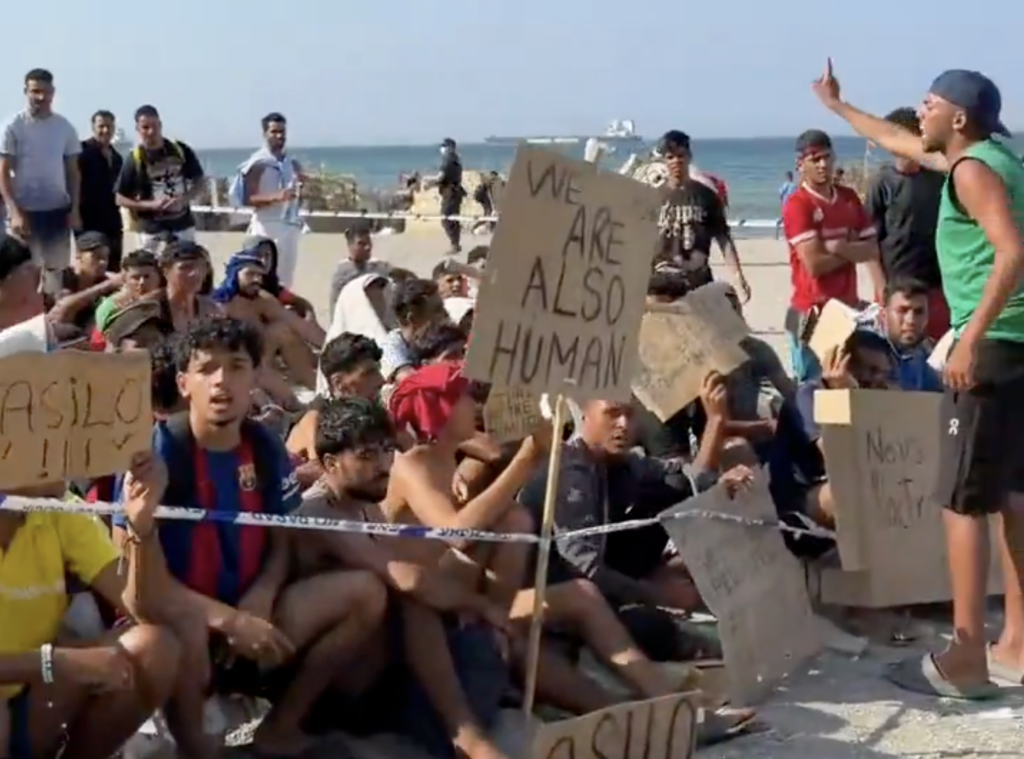
The comments come one month after the extraordinary scenes at the border, which triggered a major humanitarian and security crisis and left thousands of people sleeping rough.
Sanchez said there was no intelligence from either Spain’s security forces or the CNI intelligence agency that raised suspicions about the involvement of Moroccan authorities.
‘Cooperation with Morocco is being frankly positive,’ he added.
His comments come despite Health Minister Monica Garcia saying this weekend that ‘Morocco has a responsibility’ for what happened.
No warning of scale of crisis
Sanchez also sought to settle a row over whether Spain’s intelligence services had warned the Government before the mass arrivals.
He confirmed that the CNI had produced situation reports, but said nobody had predicted an influx on the scale eventually witnessed.
‘There was no information that warned of the seriousness of the crisis,’ he said.
‘Nobody predicted that we were going to have an avalanche of such characteristics.’
The Government is continuing to investigate what triggered the sudden influx.
Sanchez pointed towards false information and disinformation circulating on social media, including claims relating to a Supreme Court ruling preventing immediate pushbacks of people entering Spain by swimming.
He said criminal organisations had taken advantage of the situation and claimed disinformation had spread through networks associated with Russia, Israel and the international far right.
However, he stressed that the Government still does not have a complete picture of what happened.
Accommodation increased dramatically
Sanchez said the Government had increased available accommodation in Ceuta from around 500 places to 3,300 in 30 days, with plans to reach 6,000.
‘We are going to be able to have all the migrants relocated,’ he said.
He added that the majority of those who entered Ceuta had done so for economic rather than humanitarian reasons.
Sanchez also praised residents of Ceuta for what he described as their ‘extraordinary civic behaviour’ during the crisis and warned against political division.
He called for greater European solidarity in responding to the situation, arguing that Spain had previously helped other EU countries facing migration pressures.
The prime minister also defended his decision to take a holiday during the crisis.
‘I have worked and I have rested because I also have the right,’ he said, adding that a prime minister remains ’24/7′ aware of events even while away.