
Spain is officially introducing a bottle deposit scheme in supermarkets from November, it has been confirmed.
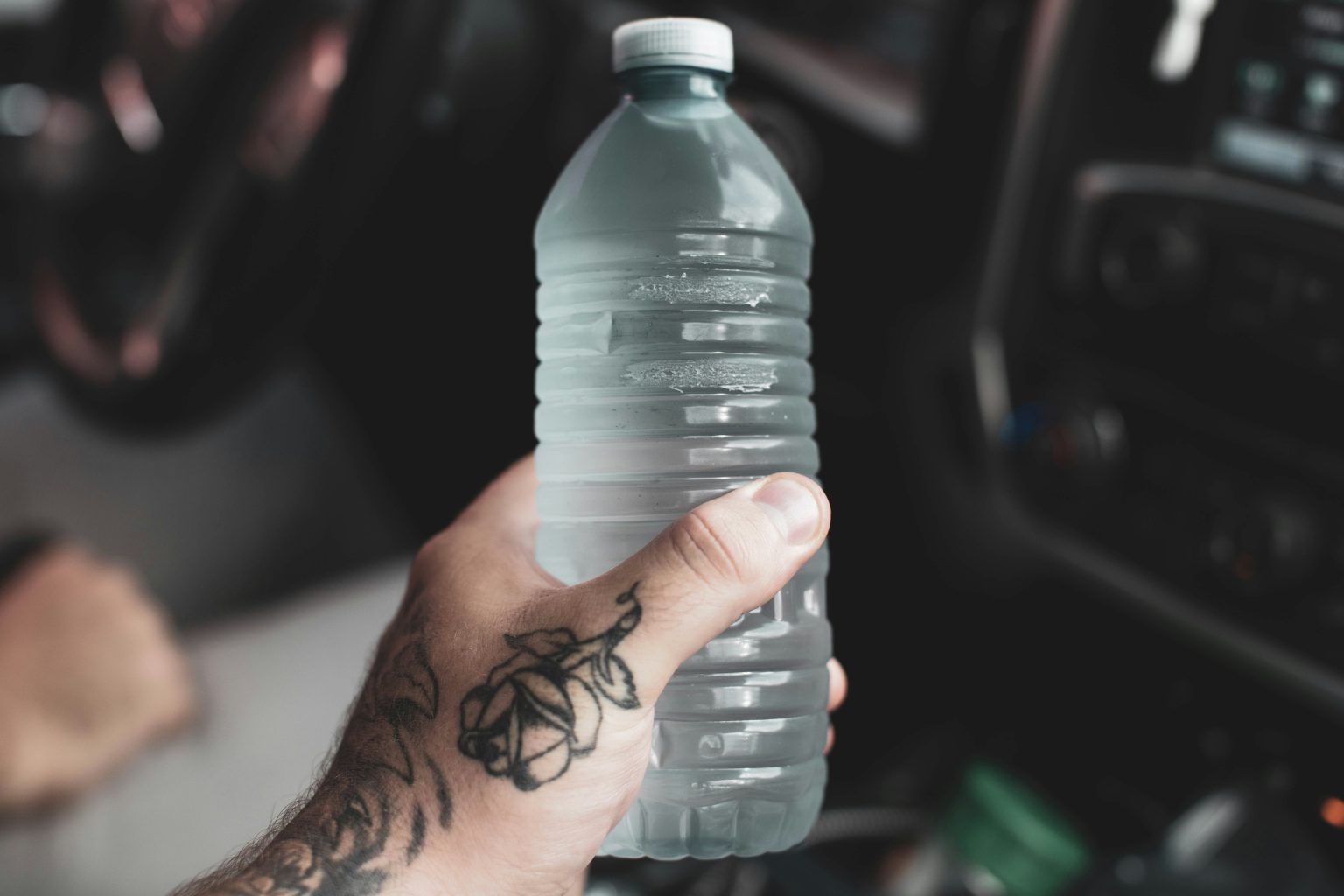
Plastic bottles, cans and some cartons will carry a small extra charge at the checkout, which shoppers can later reclaim by returning the empty packaging.
The move is not optional and follows Spain’s failure to meet EU recycling targets, particularly for plastic bottles, and is designed to push up collection rates by giving consumers a financial incentive to return their waste.
Known as the Deposit, Return and Refund System (SDDR), the scheme is similar to older bottle return systems, but adapted to modern supermarkets.
When buying a drink, customers will pay a small deposit on top of the price, expected to be around 10 cents per item based on models in other European countries.
That money is not a tax. It is refundable, but only if the container is returned. For households that regularly buy bottled drinks, the deposits could add up to several euros a month if containers are not brought back.
How the system will work
The process is designed to be straightforward. After purchasing a drink, consumers can return the empty container to supermarkets or designated collection points.
Many stores are expected to install reverse vending machines that scan barcodes and confirm whether the item is eligible. Once accepted, shoppers will receive their deposit back, either as a voucher, a discount at the till or a direct refund, depending on the system used.
There is one key condition: containers must be returned in a recognisable state, with labels intact and not crushed. Items that cannot be identified will not be accepted.
What it means for supermarkets
Major chains such as Mercadona, Lidl and Aldi will need to adapt their stores to handle returns, including installing machines and adjusting logistics behind the scenes.
In countries where similar systems already operate, returning bottles has become part of the weekly shop. Spain is aiming for the same shift, turning recycling into a routine rather than an afterthought.
The change could also alter how people view waste. A can or bottle will no longer be just rubbish, but something with a small cash value attached.
Will it be ready in time?
While November is the official target, there are doubts about whether the system will be fully operational by then.
Rolling it out nationwide requires new infrastructure, coordination with retailers and public awareness.