
The final moments from inside the trains of the doomed Adamuz rail disaster have been released as part of the ongoing investigation into the tragedy.
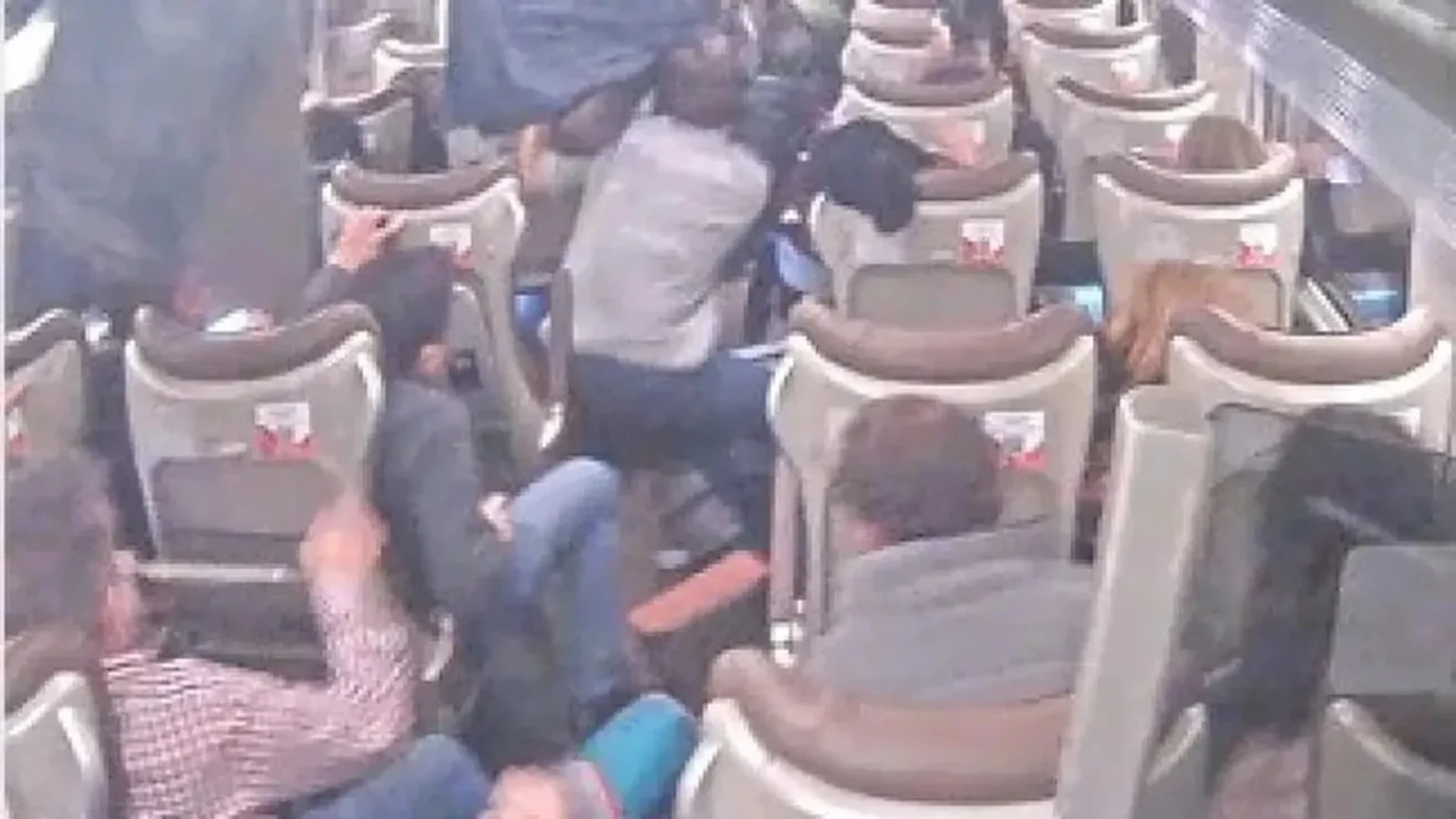
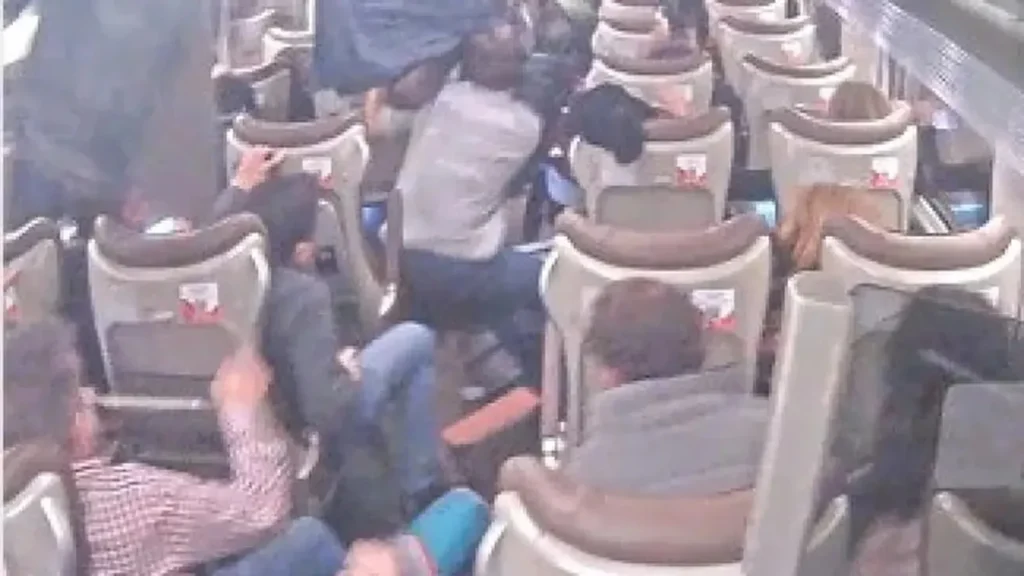
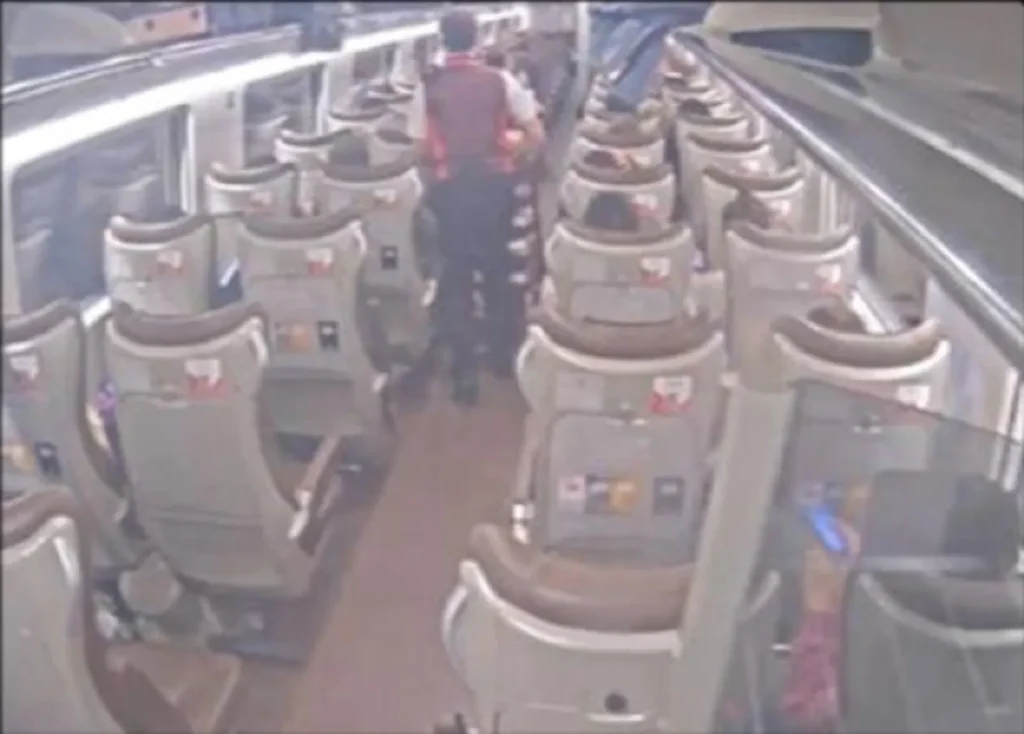
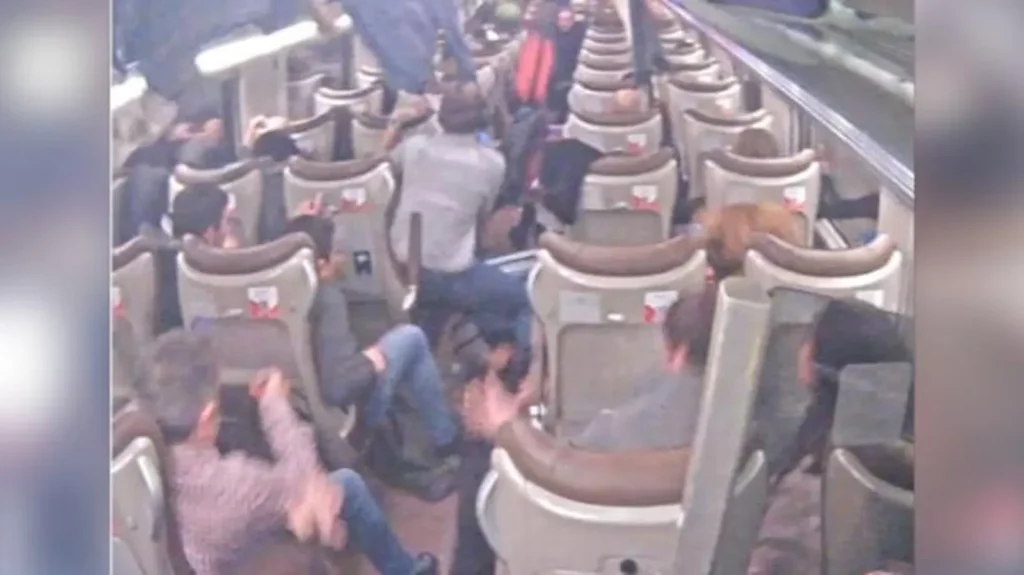
Images collected by the Guardia Civil show passengers onboard the two separate trains moments before they collided in Cordoba on January 18, killing 46 people and injuring more than 120.
The stills taken from cameras inside the carriages show the moment items began falling from overhead compartments when the Iryo train heading to Madrid derailed – before colliding with a Renfe service returning to Huelva from the capital.
It comes as the preliminary investigation into the devastating crash has identified a broken rail as the trigger for the disaster.
The report, prepared by Spain’s Railway Accident Investigation Commission (CIAF), points to ‘a rail fracture at kilometre 318.681’ as the key factor behind the derailment and subsequent collision between two trains.
No faults detected before derailment
According to the findings, there were no signs of mechanical or technical issues in either train in the moments leading up to the accident.
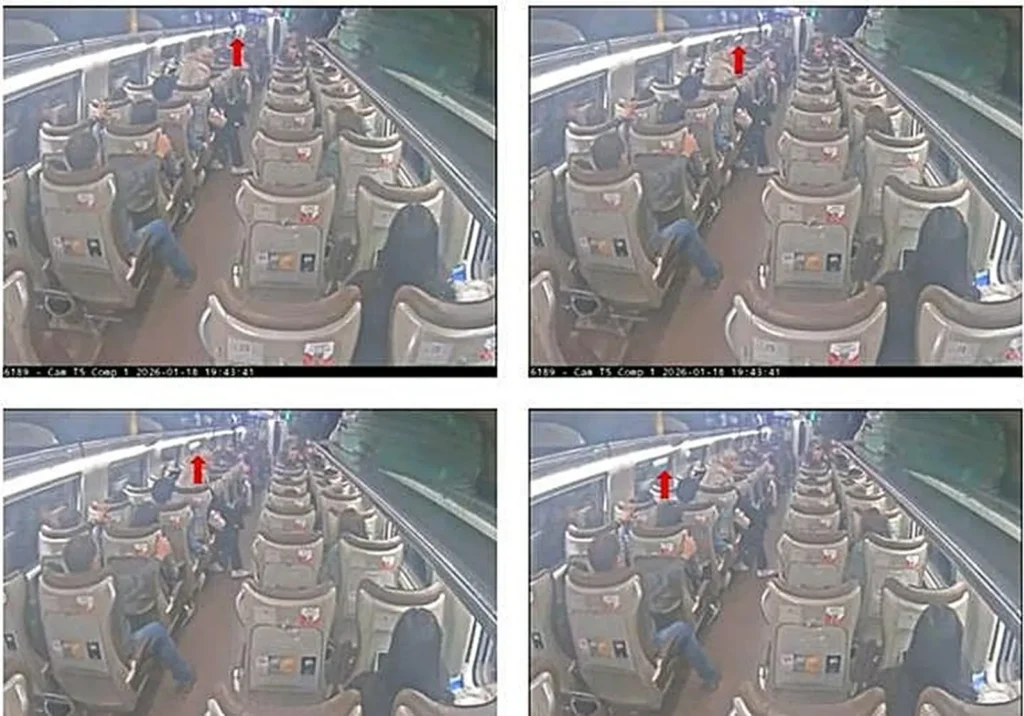
Data shows everything was operating normally until 19:43:33, when a carriage of an Iryo train passed over the track where the rail had broken.
Just one second later, the first axle of carriage six derailed at that exact location. Cameras inside the train captured the initial vibrations as the incident began.
Chain reaction in seconds
At 19:43:35, there was a sudden drop in power in the overhead system, falling from over 25,000 volts to just 590 before fluctuating. Investigators believe this may have been linked to the derailment itself or damage to the infrastructure.
Shortly after, sparks and what the report describes as ‘incandescent fragments’ were seen outside the train windows, likely caused by metal scraping against the tracks as the derailed wheels dragged along the line.
At the same time, critical रेलवे components were damaged, triggering alarms and system failures.
Emergency braking came too late
The situation escalated further when a signal on the adjacent track suddenly switched from green to red due to damage caused by the derailment.
An approaching Alvia train, travelling at over 200km/hr, was just 188 metres away when the signal changed. The onboard system immediately triggered emergency braking, but there was not enough distance to stop.
Less than three seconds after the initial derailment, the two trains collided.
Moment of impact
The crash occurred at kilometre 318.173. At that point, the Iryo train had slowed to 152km/hr, while the Alvia was still travelling at 204km/hr.
Data from the Alvia shows a sudden loss of power at 19:43:42, which investigators believe marks the exact moment of impact.
Investigation still ongoing
The CIAF stresses that the report is preliminary and based on currently available data. Further findings could change the conclusions as the investigation continues.
For now, the evidence points clearly to infrastructure failure – a broken rail – as the starting point of one of Spain’s deadliest rail accidents in recent years.
Read more Andalucia news at the Spanish Eye.