
Sevilla is about to become the centre of the flamenco world as one of Spain’s most important cultural festivals returns to the Andalucian capital.
The 24th Bienal de Flamenco begins on Wednesday, September 9, and will transform theatres, palaces and historic buildings across the city until October 3.
Held every two years, the festival attracts leading singers, dancers and guitarists from across Spain, alongside emerging performers and artists pushing flamenco in daring new directions.
This year’s enormous programme features 72 performances, including 52 new productions, 22 world premieres and 24 shows staged for one night only.
Performances will take place across 11 venues, ranging from the magnificent Teatro de la Maestranza and Real Alcazar to more intimate spaces including Hotel Triana and the Church of San Luis de los Franceses.
More than 30 performances were already reported to have sold out before the festival began, but tickets remain available for numerous shows.
The opening night
The Bienal begins at 8.30pm on September 9 with a pregon cantado, or sung opening address, officially launching almost four weeks of flamenco.
The first major gala follows at 9.30pm on September 10 inside Sevilla’s Real Maestranza bullring.
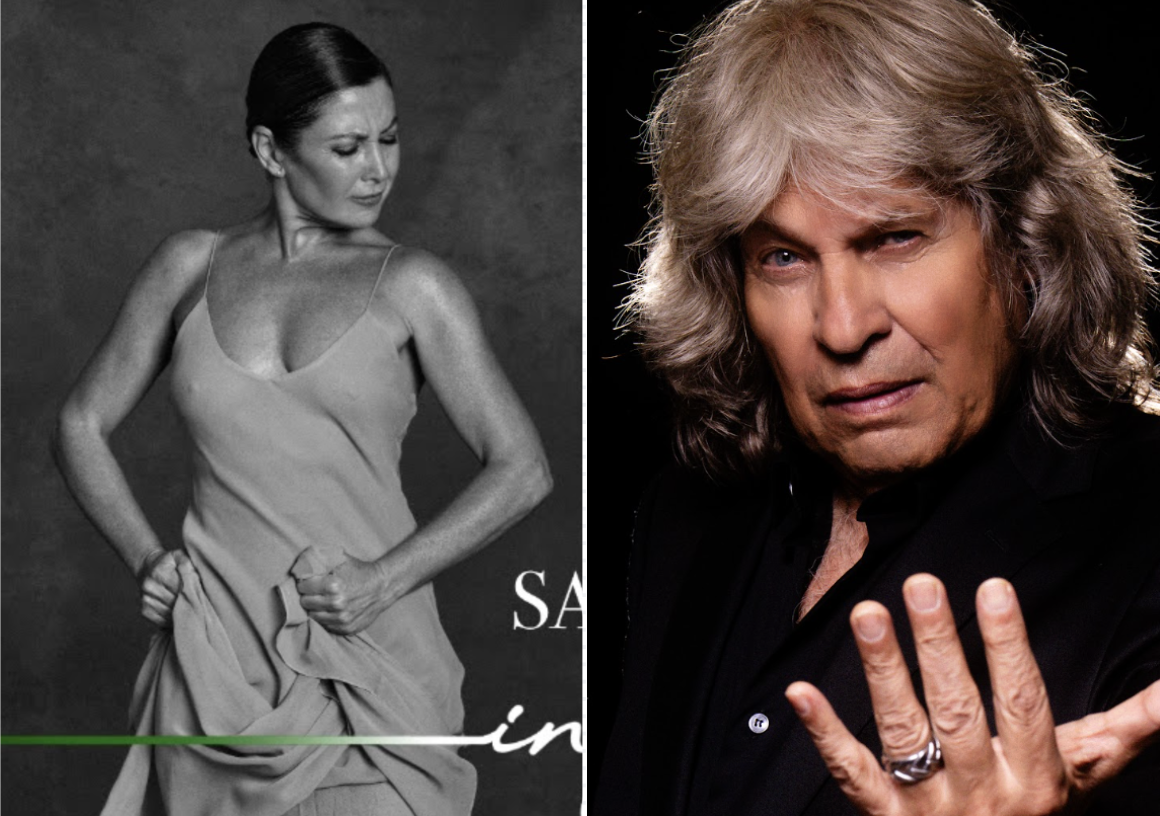
El mundo por montera brings together Jose Merce, Jose de la Tomasa, Martirio, Arcangel, Rosario La Tremendita and the Ballet Flamenco de Andalucia, led by Patricia Guerrero.

Angeles Toledano, El Perrete and Manuel de la Tomasa will also take part in the one-off production, which commemorates a century since flamenco moved from smaller singing cafes into major theatres and bullrings during the era known as the opera flamenca.
The biggest performances
One of the festival’s most eagerly awaited names is Sara Baras, who returns to the Bienal after an absence of 14 years.
The internationally acclaimed dancer will premiere Infinita at the Teatro de la Maestranza on September 11, 12 and 13.
Demand has been intense and availability may now be limited, but visitors should continue checking the official ticketing platform for returned tickets.
The Maestranza will host several other major productions during the festival.
Guitarist Cañizares will perform alongside Sevilla’s Royal Symphony Orchestra on September 19, followed by legendary singer Jose Merce and his new show Toquen a rebato on September 20.
Manuel Liñan presents Baila@r on September 22, while Esperanza Fernandez, Duquende, Jose Valencia, Pepe Torres and Nazaret Reyes join forces for A canela y clavo on September 24.
The boundary-breaking Israel Galvan will premiere Bolero de blanco y negro on September 26, before Farruquito presents Seras Farruquito on September 28.

Marina Heredia will perform with the Royal Symphony Orchestra on October 1, while the festival closes on October 3 with Perlas a Millares.
The final production marks the 30th anniversary of the landmark Antologia de la Mujer en el Cante and features Carmen Linares, Maria Terremoto, Marina Heredia and Rafaela Carrasco, among others.
Performances at the Teatro de la Maestranza begin at 8pm.
The return of the Lope de Vega
This year’s Bienal also marks the long-awaited reopening of the Teatro Lope de Vega, which has been closed for three years.
The beautiful neo-Baroque theatre, beside the Parque de Maria Luisa, returns to life on September 12 with the world premiere of pianist Dorantes’ Fractal Arcano.
Its programme continues with Arcangel on September 17, Antonio Reyes on September 18 and an unusual meeting between celebrated flamenco guitarist Rafael Riqueni and Rolling Stones saxophonist Tim Ries on September 21.
Aurora Vargas and Juana Amaya take over the theatre on September 25, while a celebration of the sevillana, Fue tu querer, follows on September 27.
Contemporary dancer David Coria presents Babel. Torre viva on September 29, followed by Mayte Martin’s Arqueologia de lo puro on September 30.
The Lope de Vega programme concludes on October 2 with Alfonso Losa’s Gesto minimo.
Flamenco beneath the stars
For an especially atmospheric experience, the Real Alcazar will host three consecutive nights of flamenco singing from September 14 to 16.
The concerts offer the rare opportunity to experience the art form inside one of Spain’s most extraordinary historic monuments after its daytime visitors have left.
Hotel Triana, another of the Bienal’s most evocative locations, returns to the programme after four years away.
The former communal residence will host three nights between September 17 and 19, beginning with Mujeres gitanas, featuring Remedios Amaya, La Fabi and Montse Cortes.
The following evening will celebrate several generations of performers from Los Palacios, before Andalucia en el tiempo brings together veteran singers from all eight Andalucian provinces on September 19.
Smaller concerts will also be staged at the Teatro Central, Teatro Alameda, Espacio Turina and the spectacular Baroque Church of San Luis de los Franceses.
Beyond the main performances
Visitors do not necessarily need a theatre ticket to experience the Bienal.
A programme of exhibitions and activities is being staged alongside the main shows, including La noche azul at the Real Fabrica de Artilleria.
Featuring 328 documents and historic objects, the exhibition examines the rise of opera flamenca and the moment when the art form moved from intimate cafes to Spain’s largest stages approximately a century ago.
A travelling installation called Sala de revelado will also appear in different Sevilla neighbourhoods during the festival.
Combining photographs, recordings and interviews, it reveals the rehearsals and creative work that normally happen out of sight before a production reaches the stage.
Visitors can also continue the night in one of Sevilla’s traditional flamenco neighbourhoods. Triana remains the most famous, particularly around Calle Betis, Plaza del Altozano and Calle Pureza, while the Alameda and historic centre offer numerous tablaos and late-night venues.
It is always worth checking whether a venue presents a full staged production or a smaller, more spontaneous performance before booking.
How much do tickets cost?
Prices vary considerably according to the artist, venue and seating area.
The least expensive tickets begin at approximately €12, while premium seats for the largest productions can cost up to €75.
The Lope de Vega generally costs between €12 and €35, while performances at the Maestranza are typically more expensive. Smaller venues offer numerous shows for between €15 and €30.
Under-30s can obtain a 50% Hora Joven discount from the venue’s box office one hour before participating performances, provided seats remain available.
Tickets can be purchased through the individual listings on the official Bienal programme. Maestranza performances use the theatre’s separate ticketing platform.
Visitors should only purchase through the official website or an authorised venue, particularly for performances advertised as sold out.
Full dates, remaining availability and last-minute programme changes can be checked through the Bienal de Flamenco’s official website.