
Spain is set to approve a €168million emergency package for Ceuta, it has emerged.
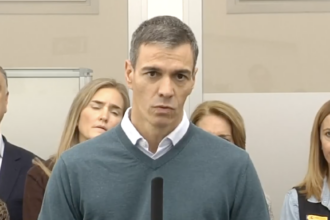
Prime Minister Pedro Sanchez confirmed on Monday that the measures will go before the Council of Ministers on Tuesday.
The PSOE (Socialists) leader described the package as equivalent to around 8% of Ceuta’s GDP.
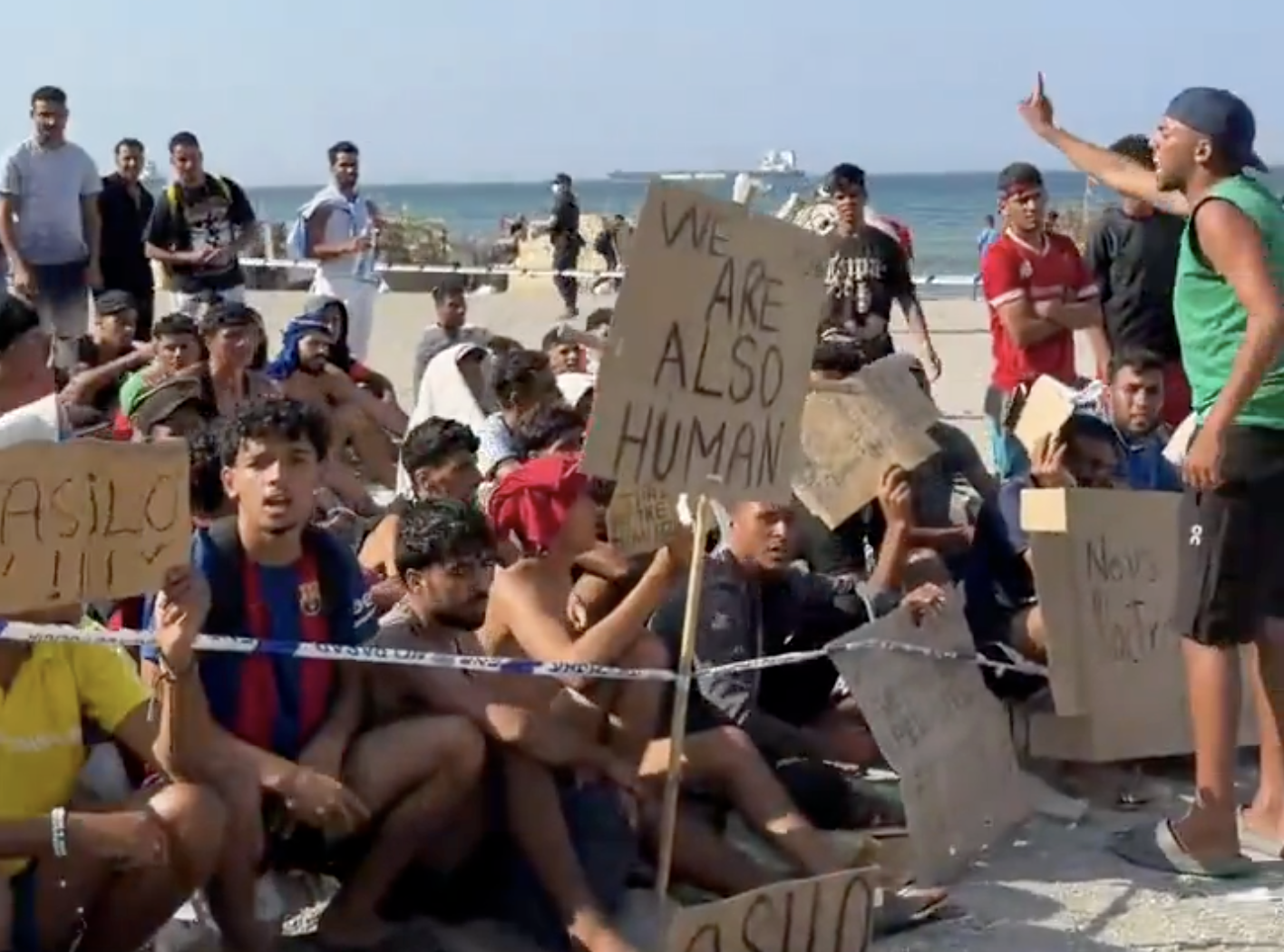
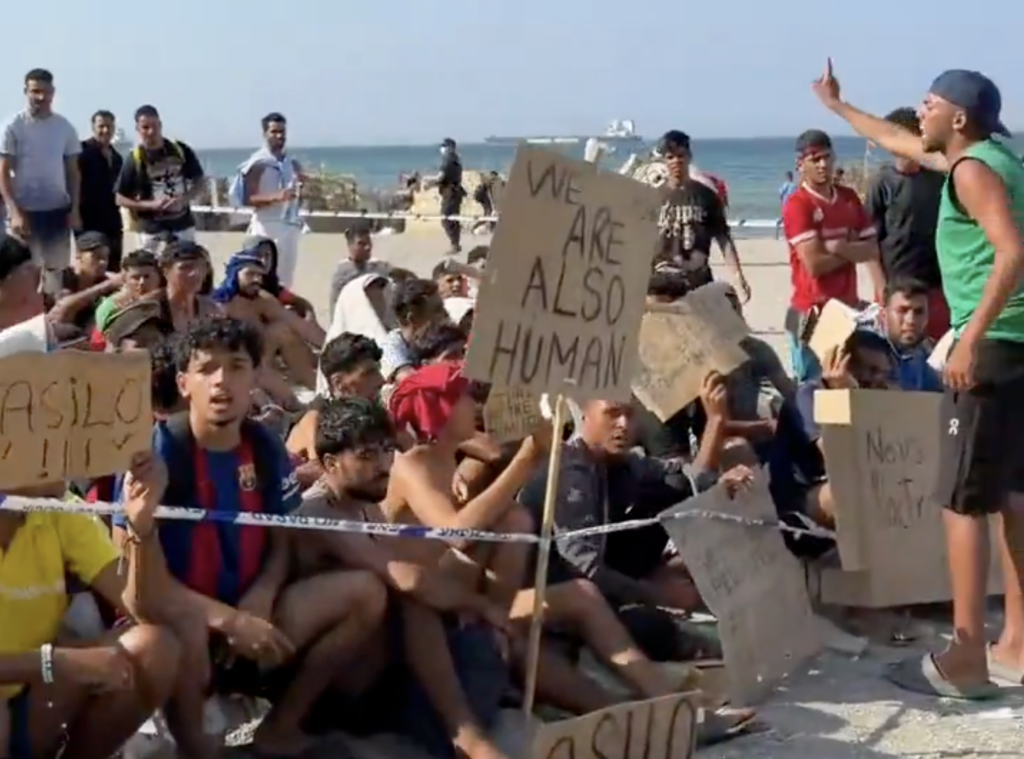
The funds will be used to help revive the local economy following the mass arrival of around 70,000 migrants on July 30 and 31.
The incident has placed enormous pressure on accommodation, public services and businesses.
Among the measures are direct financial support for small businesses and self-employed workers, as well as significantly enhanced employment incentives.
The government plans to increase Social Security hiring subsidies from 50% to 75%, a measure which Sanchez said will also apply to neighbouring Melilla.
Special furlough-style ERTE schemes are also expected to be introduced, offering companies 100% exemptions from the relevant Social Security contributions, compared with the usual 90% for force-majeure ERTEs.
Affected employees would meanwhile be able to access unemployment benefits without having accumulated the usual minimum contribution period, while payments would not eat into their existing entitlement.
The package comes as Madrid races to move thousands of migrants who remain in Ceuta off the streets.
Sanchez said on Monday that around 5,000 migrants remain in the enclave, including approximately 1,200 minors, although the Ceuta government has estimated that the true overall figure could be significantly higher.
The central government plans to increase reception capacity to around 6,000 places, including the urgent creation of another 2,000 spaces.
A separate decree is also expected to establish locations where migrants currently sleeping rough can be rehoused.
The sites were agreed following tensions between Madrid and the Ceuta government of Juan Jesus Vivas, which rejected an earlier proposal to use sports centres as emergency accommodation.
Spain has also turned to the EU for assistance.
The government has formally sought support from Frontex and Europol to reinforce the operation identifying migrants and processing the cases of people who remain irregularly in Ceuta.