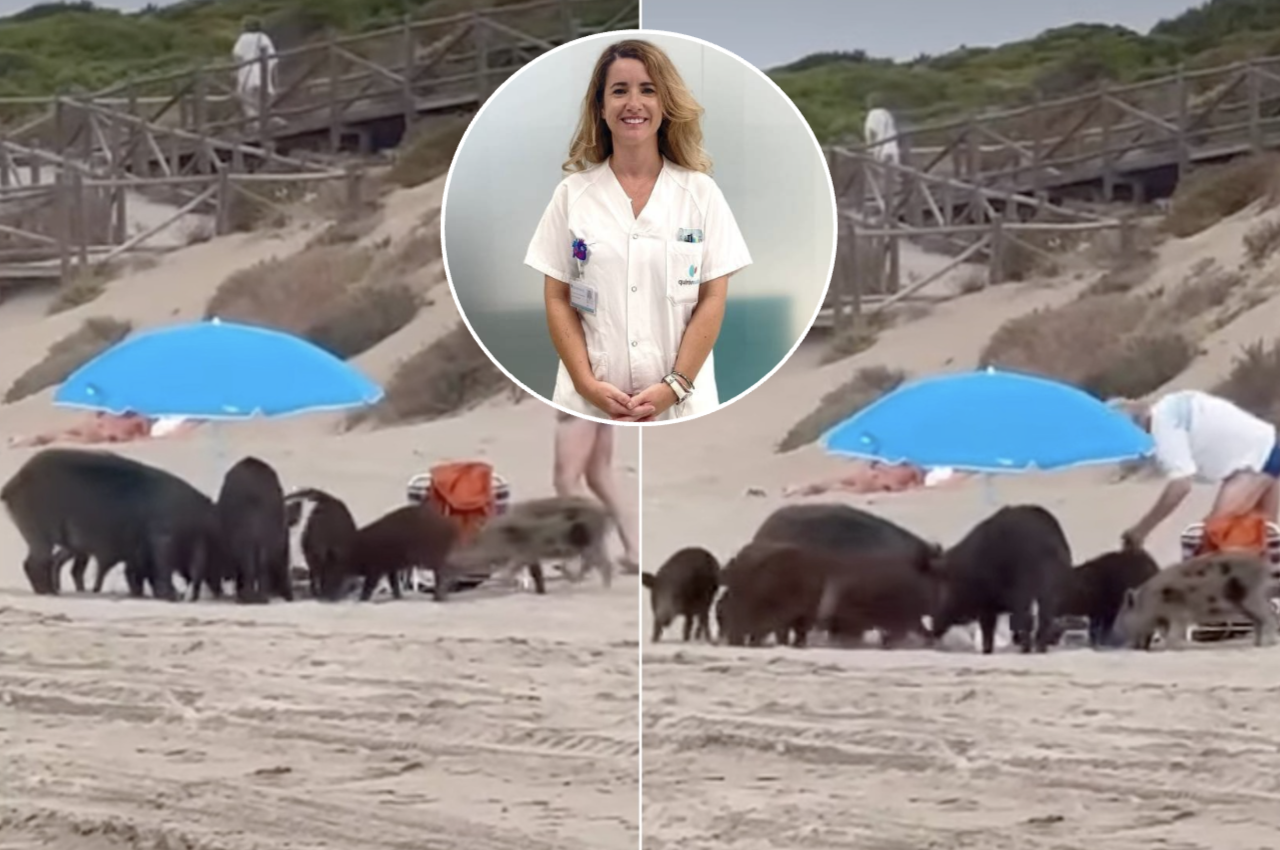

Doctors have warned residents on the Costa del Sol to take the risks associated with wild boars seriously.
It comes as the animals are increasingly being filmed roaming in urban areas, including beaches, and rummaging through bins.
Health experts have now said it is vital that you do not approach or feed wild boars and seek medical attention if you are bitten or suffer any injury that breaks the skin.
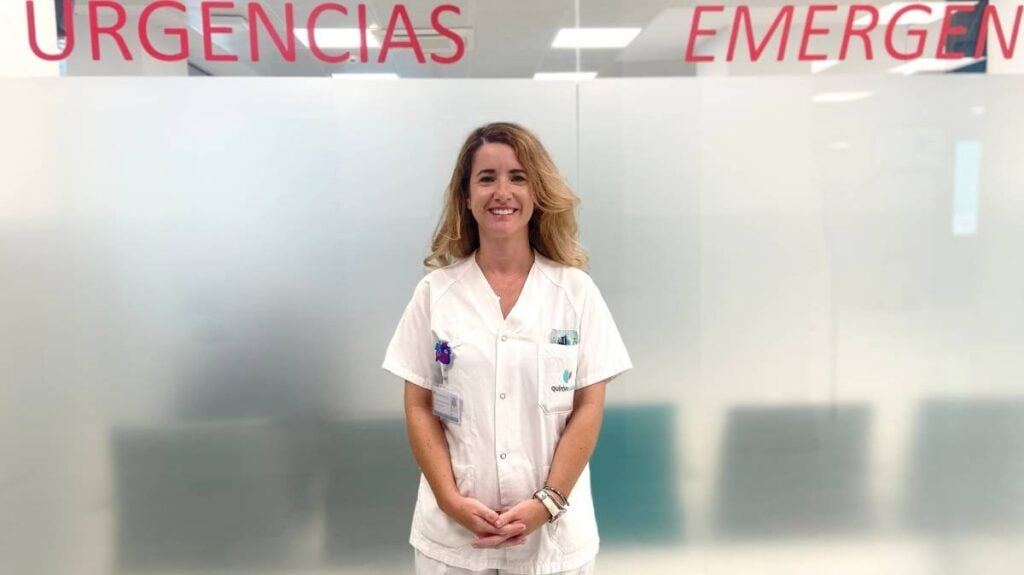
Dr Esther Hurtado, head of the Emergency Department at Hospital Quironsalud Marbella, said wild boars can act as reservoirs for a range of viruses, bacteria and parasites, some of which have the potential to cause disease in humans.
She pointed to a study carried out in Malaga province which analysed 80 wild boars and feral pigs collected from areas including Marbella, Fuengirola and Benahavis.
Researchers found that more than 90% of the animals had been exposed to at least one pathogen, while around 86% carried agents with zoonotic potential, meaning they are capable of passing between animals and humans.
However, Hurtado stressed that the findings do not mean 86% of wild boars are actively spreading diseases to people, nor that there is currently a public health emergency.
‘What we have is a risk that we need to monitor because interaction between wildlife and the human population is increasing,’ she said.
Don’t approach or feed wild boars
The warning is particularly relevant on the Costa del Sol, where encounters with wild boars have become increasingly common in and around populated areas.
According to Hurtado, simply seeing or being close to a wild boar does not automatically put someone at risk of infection.
For transmission to occur, there generally needs to be an appropriate route of exposure, such as direct contact with an animal, its bodily fluids or faeces, or contaminated food.
Nevertheless, the increasing presence of wild boars in places frequented by people creates more opportunities for interaction between wildlife, humans and pets.
Quironsalud Marbella therefore recommends never approaching or feeding the animals, even if they appear calm or accustomed to humans.
What to do if a wild boar bites you
If a wild boar becomes aggressive, the first priority is to get away from the animal and reach a safe place rather than attempting to confront it or approach it again.
If you are bitten, struck by its tusks or suffer any wound that breaks the skin, doctors recommend washing the affected area as soon as possible with plenty of soap and water.
You should then go to an emergency department for medical assessment, even if the injury initially appears relatively minor.
‘In the emergency department, we want to know how the attack happened, examine the wound properly and assess aspects such as the risk of infection and whether antibiotic treatment is necessary,’ Hurtado explained.
Doctors can also check whether the patient’s tetanus vaccination is up to date and assess the precise circumstances surrounding the encounter.
Wild-boar bites and tusk wounds can carry significant bacterial contamination, meaning the outward appearance of an injury may not necessarily reflect its potential seriousness.
‘A bite or an injury caused by their tusks should not be minimised, and you should attend the emergency department for specialist assessment,’ Hurtado said.
Read more Andalucia news at the Spanish Eye.