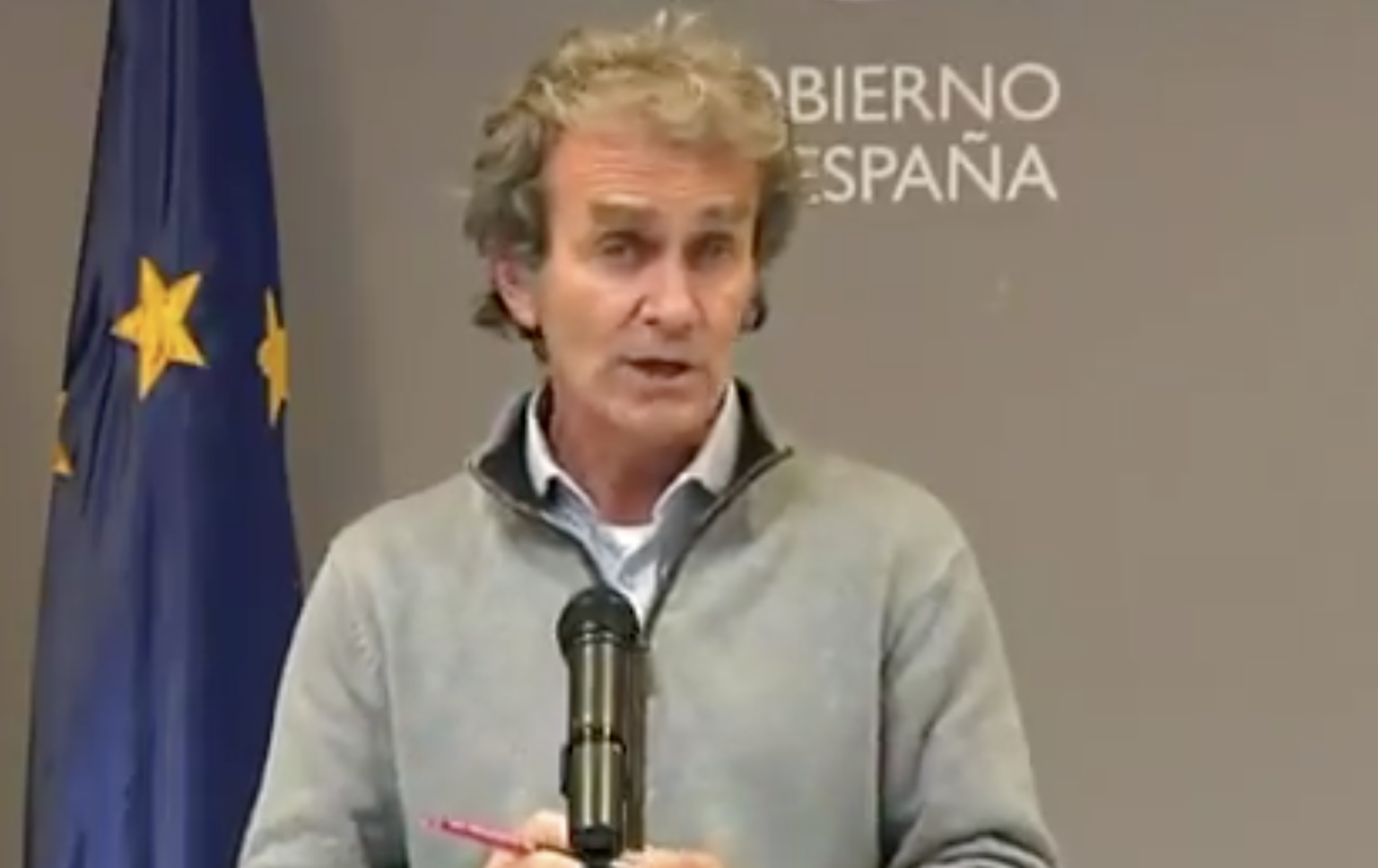

Spain’s former Covid frontman Fernando Simon has been sent to Ceuta to assess the epidemiological situation.
It comes amid hundreds of cases of gastroenteritis and outbreaks of several infectious diseases linked to the ongoing migrant crisis.
Simon, who became one of the most recognisable faces in Spain during the coronavirus pandemic, is now in the North African enclave as part of the government’s health monitoring team.
His arrival comes after more than 200 cases of gastroenteritis, as well as cases of scabies, impetigo and tuberculosis, have been detected amid concerns over overcrowding and hygiene conditions.
Some 45,000 vaccine doses have also been made available with the cooperation of Spain’s autonomous regions.
Despite the scale of the response, Pedro Sanchez’s government maintains that Ceuta is not facing a public health emergency.
Fernando Simon to visit camps and hospital
Simon is director of Spain’s Coordination Centre for Health Alerts and Emergencies (CCAES) and remains one of the country’s most prominent epidemiological officials.
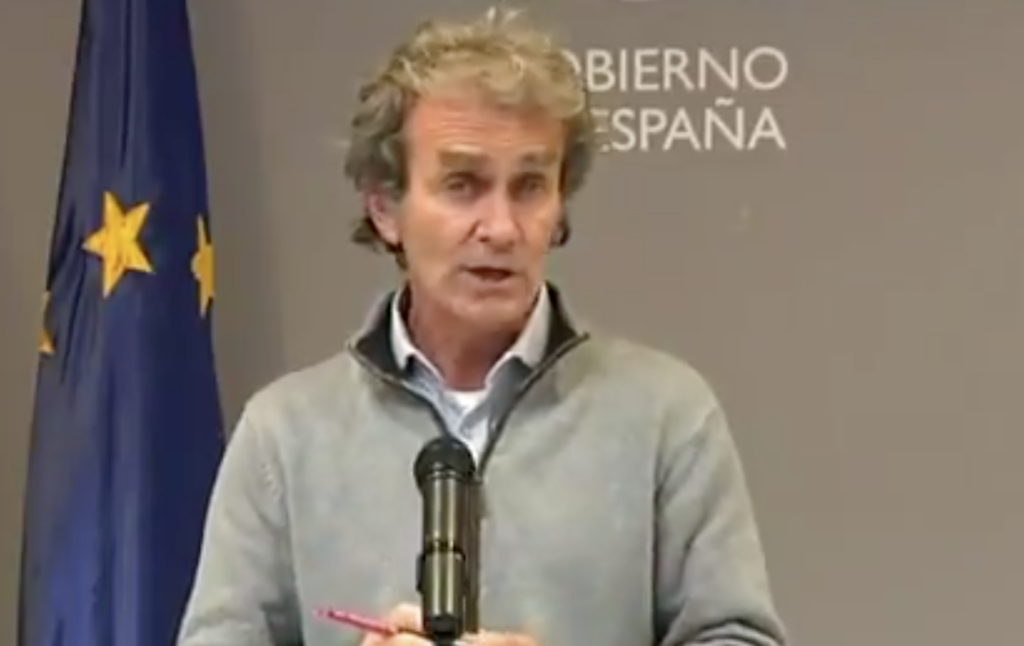
During his visit, he is expected to inspect the camps accommodating migrants as well as the University Hospital of Ceuta.
He is also due to meet Julian Dominguez, head of Preventive Medicine, as authorities assess the risks posed by the diseases detected and the measures required to contain them.
Simon’s deployment comes as Ceuta remains under heightened epidemiological surveillance following the huge influx of migrants at the end of July.
The government’s position is that the infections identified can be managed through established public-health measures rather than requiring the declaration of a health emergency.
Experts say mass quarantine is not needed
Infectious-disease specialists have stressed that the illnesses detected should be dealt with through diagnosis, treatment and individual isolation where medically necessary, rather than through the mass confinement of migrants.
Experts have instead identified overcrowding and inadequate hygiene conditions as key factors that need to be addressed to prevent infections spreading.
The Spanish Society of Infectious Diseases has similarly stressed the importance of tackling those underlying conditions.
Meanwhile, tensions are growing among Ceuta’s healthcare professionals.
Doctors have complained of increasing pressure on services and insufficient reinforcements, with the possibility of a general healthcare strike now being raised.