
Andalucia has become the region with the highest number of new legal claims over squatters in Spain.
For the first time in years, it has overtaken Catalonia, where the issue is notoriously rife.
The shift comes amid a sharp national drop in formal cases and growing frustration over slow court processes and red tape.
Between April and June 2025, Spanish courts recorded 487 new squatter-related filings, down 23.8% compared to last year, and nearly 18% less than in the first quarter, according to data from the General Council of the Judiciary (CGPJ). It’s the second-lowest quarterly figure since 2018.
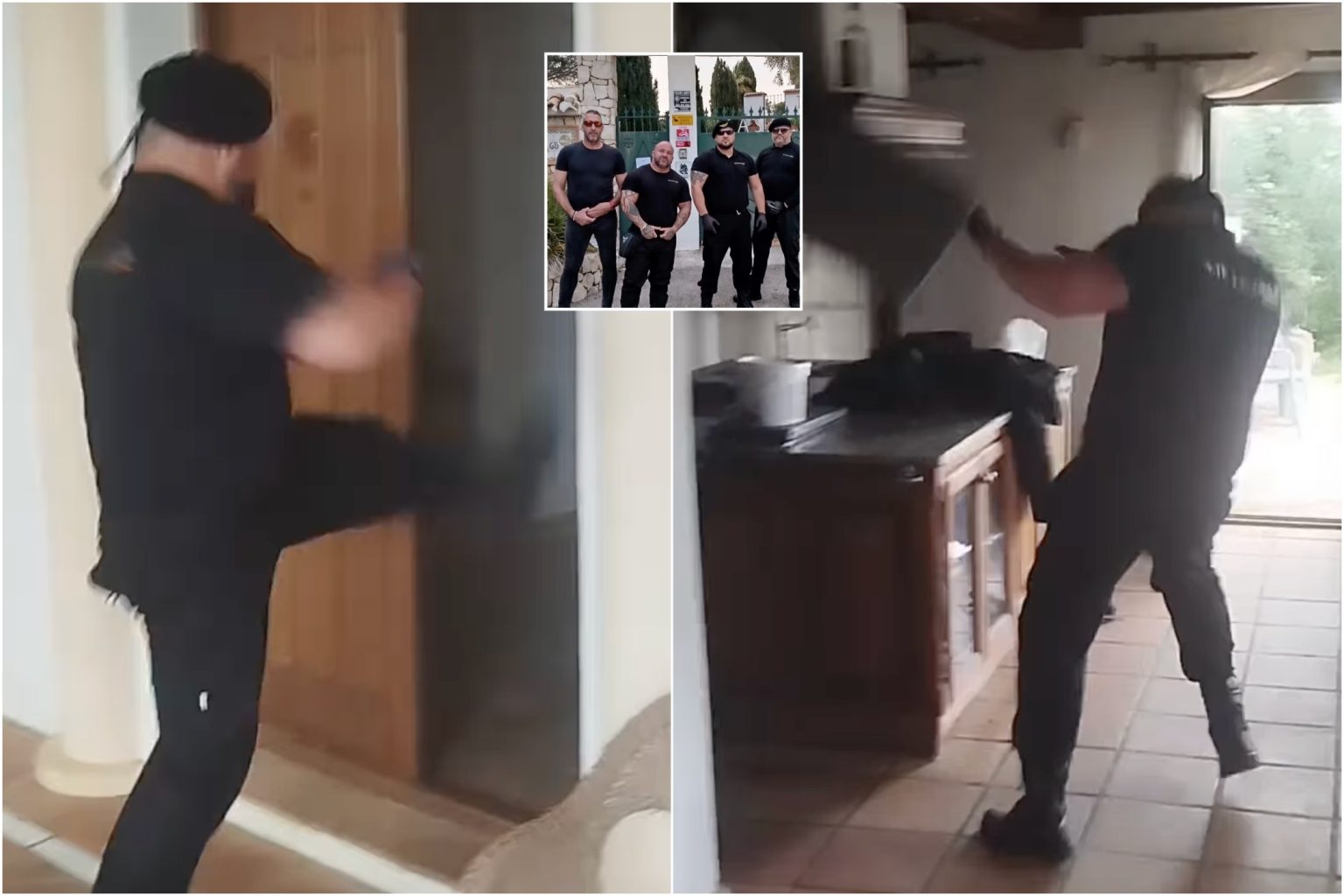
However, the figures do not include the many off-the-books cases, which are dealt with by so-called anti-okupa forces or other means.
Andalucia tops national ranking
Andalucía accounted for 105 of the 487 total cases, making up over 21% of the national total and placing it ahead of Catalonia, which recorded 88 cases.
They were followed by the Valencia Region (50), Madrid (33) and Murcia (32).
At the bottom of the list, Navarra reported zero new cases, while Aragon, Cantabria and La Rioja each had fewer than 10.
Barcelona remains Spain’s squatting hotspot
Despite losing the top spot by region, Barcelona province still leads nationally, with 65 new claims this spring.
Other hotspots include Malaga with 45, Alicante (34), Madrid (33) and Murcia (32).
Several provinces, including Teruel, Soria, Valladolid, Lleida and Navarra, saw no new cases at all during the same period.
New law slows the legal process
A major factor in the overall decline is the April 2025 implementation of Organic Law 1/2025, which now requires homeowners to prove they’ve attempted negotiation with occupiers before filing a lawsuit.
The law gives 30 days for a response. If no agreement is reached, only then can the matter proceed to court.
This change, aimed at streamlining the legal process and reducing court backlogs, may also be discouraging some owners from pursuing formal claims altogether.
Many cases stay off the books
Legal professionals warn that official figures only reflect part of the story. With eviction rulings taking an average of up to 24 months, many owners are turning to alternative routes to reclaim their properties.
These consist of private negotiations, cash settlements with squatters and hiring specialist eviction services.
In particular, so-called ‘inquiokupas’ (tenants who stop paying rent), rarely show up in court statistics but represent a growing share of the problem.
Read more Spain property news at the Spanish Eye.