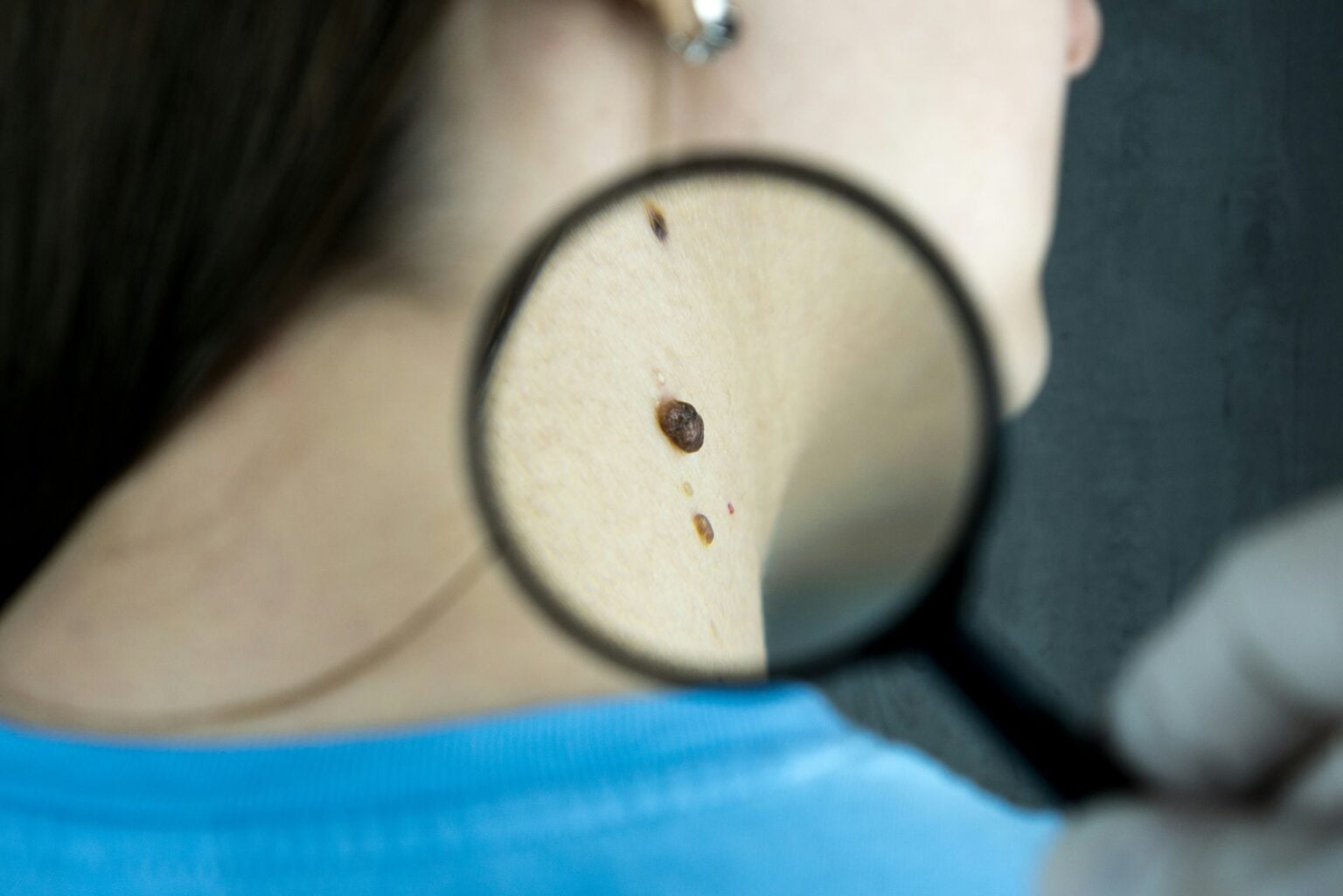

Dermatologists in Spain have issued a stark warning ahead of the summer holidays after more than 1,100 skin cancer patients were treated at a single Andalucian hospital in just one year.
Doctors at the Hospital Universitario de Jaen carried out treatment on 1,110 patients diagnosed with skin cancer during 2025, highlighting the growing impact of the disease and the importance of sun protection.
The cases included 653 basal cell carcinomas, 401 squamous cell carcinomas and 56 melanomas – the deadliest form of skin cancer.
Health experts say many of these cases could be prevented through better protection from the sun and are urging residents and holidaymakers alike to take precautions as temperatures rise across Spain.
Although melanoma accounts for only around 4% to 6% of malignant skin tumours, it causes the vast majority of skin cancer deaths.
Around 5,000 new melanoma cases are diagnosed in Spain every year, with approximately 1,000 people dying from the disease.
Dr Delia Diaz, a dermatologist at the hospital, said prevention remains the most effective weapon against the illness.
‘The best treatment for melanoma is prevention through adequate protection from ultraviolet radiation,’ she explained.
‘When the tumour does appear, early detection and prompt surgical treatment are essential.’
Doctors warn that cumulative exposure to the sun is the biggest risk factor for skin cancer, while severe sunburn during childhood and adolescence can significantly increase the likelihood of developing the disease later in life.
‘The skin has memory,’ Dr Diaz said.
‘That is why it is especially important to take extra precautions with children and teenagers, as well as people with fair skin, numerous moles or a personal or family history of skin cancer.’
Specialists are encouraging people to carry out regular skin checks every two to three months and seek medical advice if they notice suspicious changes.
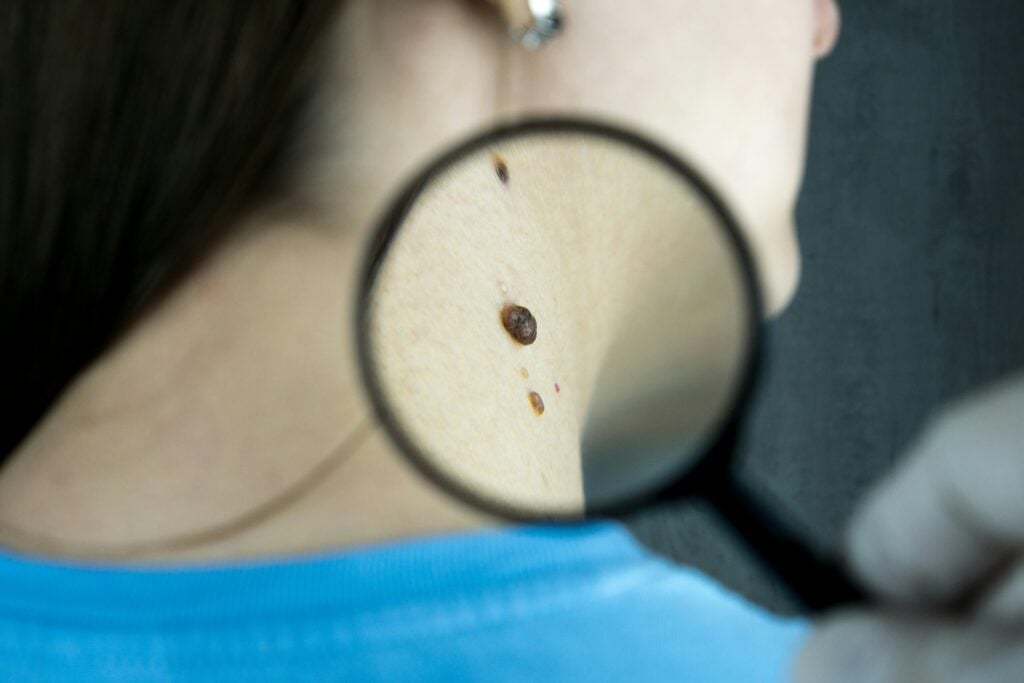
Warning signs include moles or marks that change in size, shape or colour, develop irregular borders, contain multiple shades or begin bleeding.
Experts also advise having any wound that fails to heal or any unusual new mark examined by a dermatologist.
The outlook for melanoma patients has improved dramatically in recent years thanks to advances in diagnosis and treatment.
Today, around 90% of women and 74% of men diagnosed with melanoma survive for more than five years after diagnosis.
Despite these advances, doctors insist prevention remains the most effective strategy.
Their recommendations include avoiding direct sun exposure during the hottest part of the day, using sunscreen with a protection factor of at least SPF 30, seeking shade, wearing hats, protective clothing and sunglasses, and avoiding sunbeds altogether.
They also advise checking the daily UV index and increasing protection measures whenever levels are high.
‘Skin cancer is the most common malignant tumour worldwide and its incidence continues to rise,’ Dr Díaz warned.
‘Knowing your skin and consulting a dermatologist about any suspicious lesion can make all the difference. Early detection remains our best tool against skin cancer.’
Read more Andalucia news at the Spanish Eye.