A Sevilla resident who survived the Toledo rail disaster has described waking at night with the sensation of being thrown from his seat.
Traumatised Johander Vasca Pinto, 25, is now seeking legal action over the catastrophic collision that continues to keep him up at night.
The Venezuelan was asleep aboard the Iryo train when it was struck by a Renfe AVE service near Urda on October 28.
‘I wake up at night feeling as though I’m being thrown out of my seat,’ he told El Español.
‘I find it difficult to sleep and process everything I experienced.’
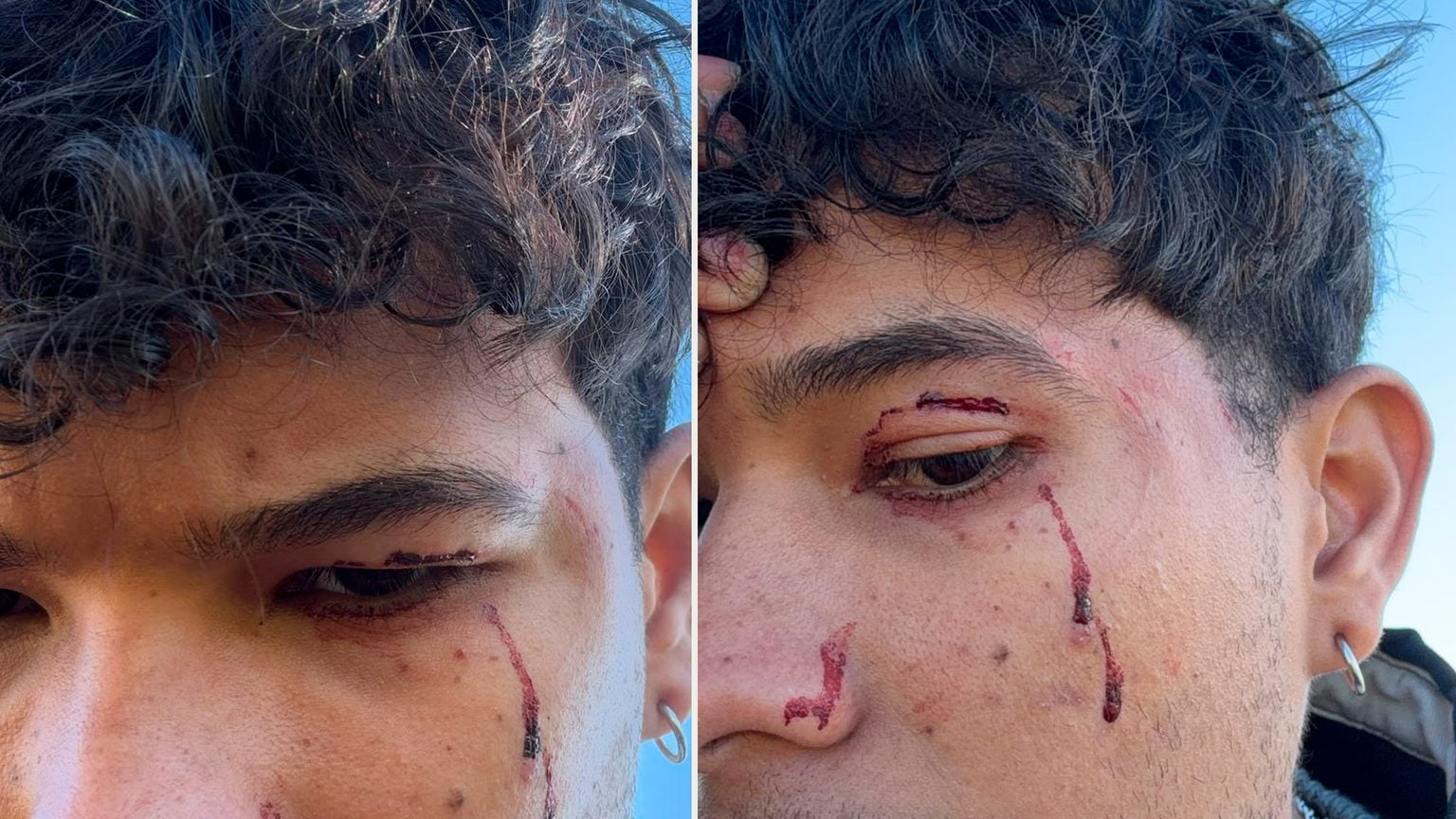
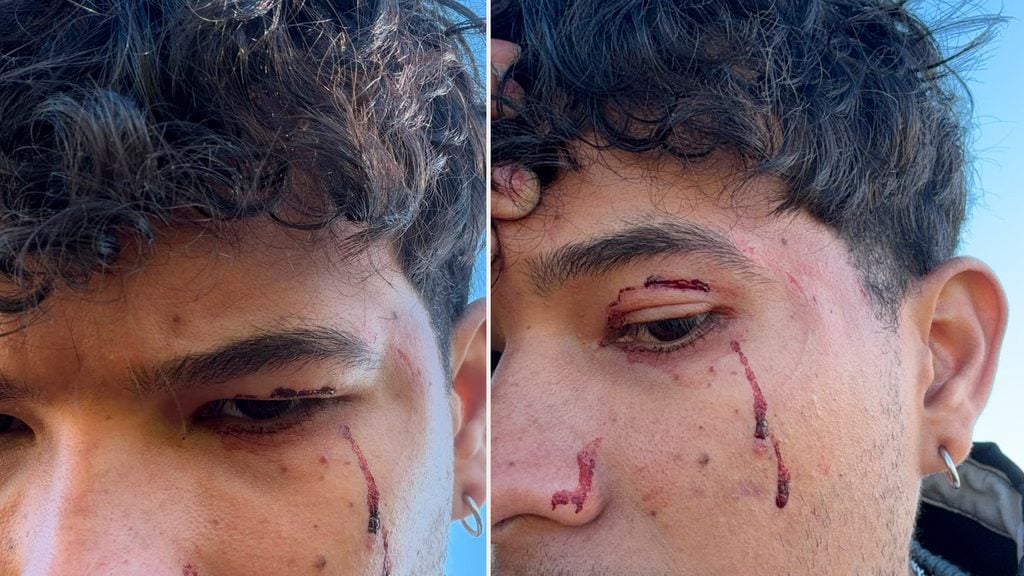
The young man is receiving psychological support for sleep difficulties and post-traumatic stress. He also reports dizziness, migraines associated with neck pain, bruising and an injury to his right eyelid.
He has instructed lawyer Miguel Bianquetti Rodriguez, who also represents victims of the earlier Adamuz rail disaster, to act for him in the proceedings.
But Johander stressed that compensation could never undo what happened.
‘The money from compensation will not change the fact that I was in that accident, that I could have died. Nor will it change what happened to me or erase what I saw from my mind,’ he said.
He expressed his condolences to the families of the 69 people killed, emphasising that his own situation could not compare with their loss.
‘You can never put a price on a life,’ he said.
Johander, who qualified as a lawyer in Venezuela, has lived with his sister in Sevilla for a year while arranging his work permit and recognition of his law degree.
He had travelled to Madrid to watch his favourite band, Morat, perform at the Movistar Arena on October 27.
He bought his return train ticket at the last minute, explaining that it was cheaper and allowed him to get back to Sevilla in time for work.
Travelling alone in carriage five, he put on sunglasses and fell asleep shortly after leaving Madrid.
The collision then woke him violently.
‘I had the sensation of being thrown from my seat through the air into the other seats,’ he recalled.
He tried to protect his head but struck his face, leaving his right eyelid torn and bleeding.
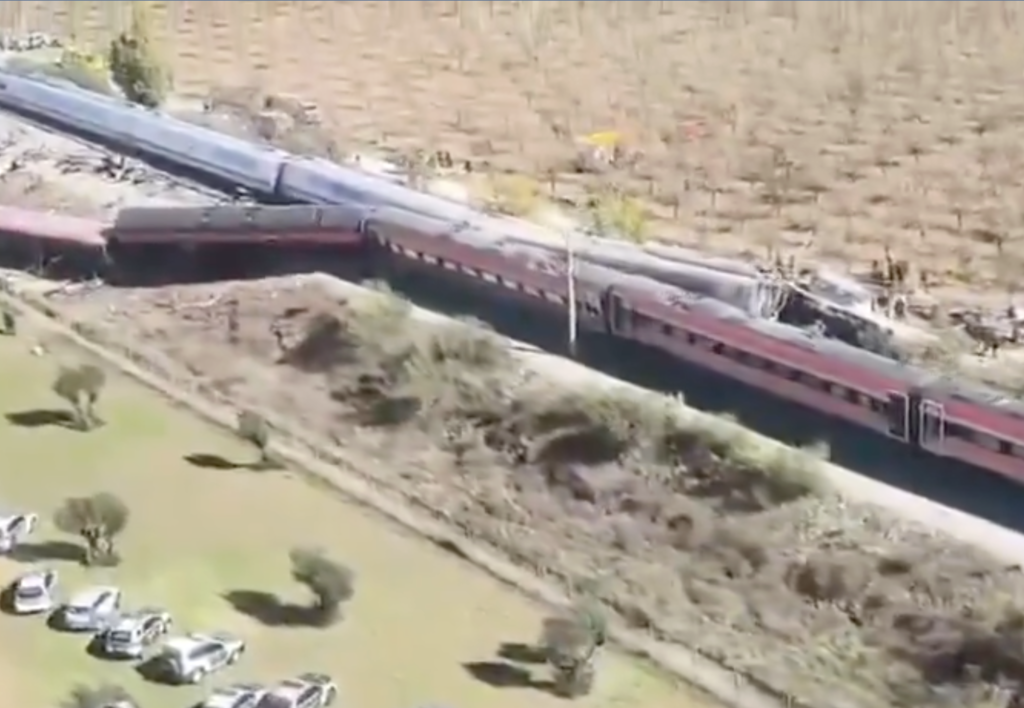
Initially, he thought his train had derailed. Only after standing and looking through the window at the wrecked AVE did he realise two trains had collided.
Despite being dazed, he said he helped five women and several foreign passengers get down from the Iryo.
His carriage had remained on the tracks near a steep embankment. Passengers wanted to move away quickly because they feared another train might approach.
Johander returned to Sevilla by bus that evening, but the psychological impact has continued.
Although psychologists advised survivors to avoid coverage of the disaster, he said he found it difficult not to search for answers.
Seeing aerial images later brought home the scale of the wreckage.
‘When I saw the aerial images of the trains, I understood the magnitude of the tragedy and that it was a miracle I was alive,’ he said.
The government has approved a €30 million support package for victims, including direct financial assistance of around €72,000 per person killed and between approximately €2,400 and €84,000 for injuries, depending on their severity.
The package also provides for advance payments against civil liability compensation. The government says the assistance will be non-repayable, exempt from personal income tax and compatible with other support.
Specialist assistance offices will help survivors and bereaved families apply. Andalucia’s regional government has also announced plans for supplementary support, following the model used after Adamuz, when bereaved families received €14,000 per victim.