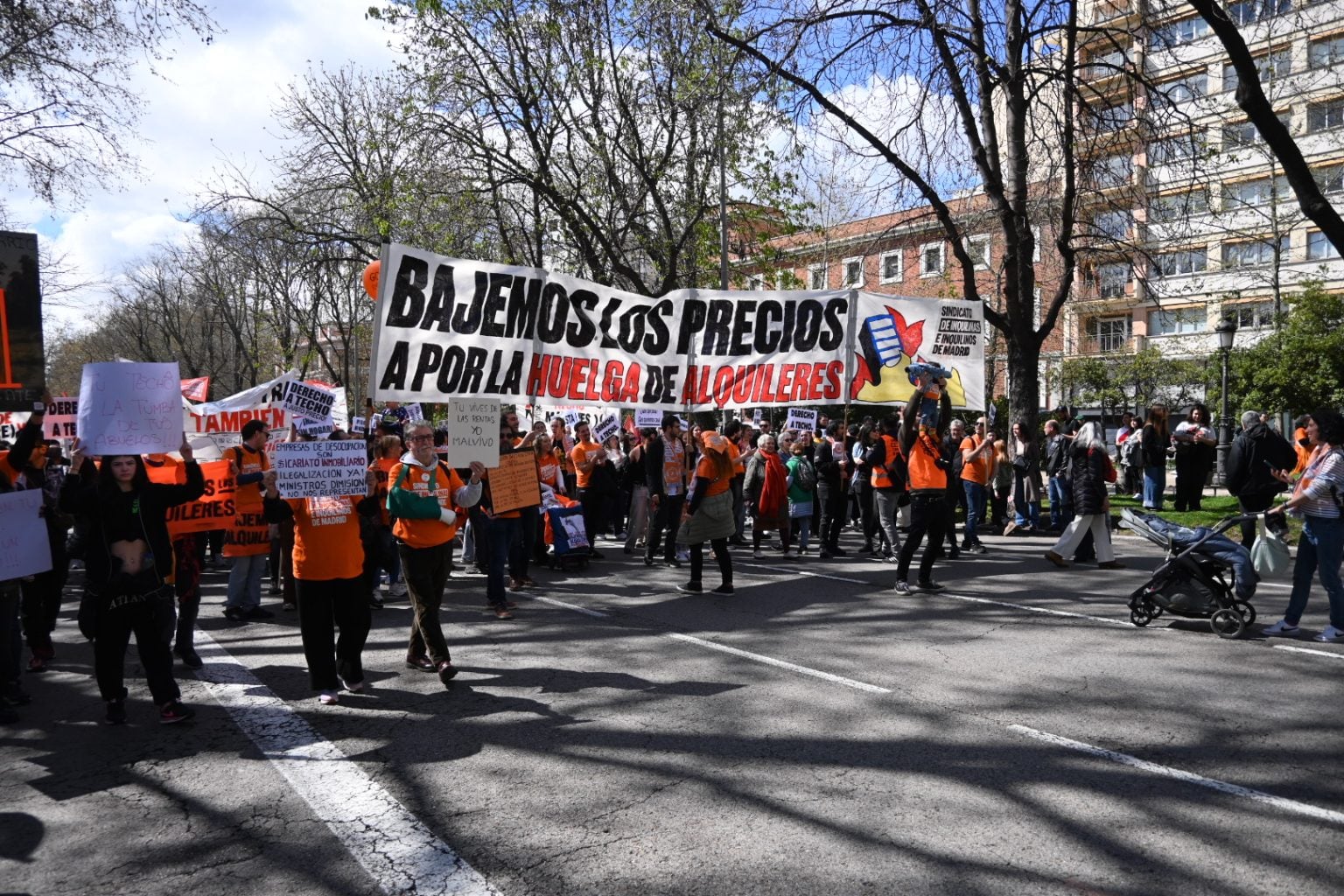

Spain’s major trade unions have called a 24-hour general strike for November 11 demanding affordable housing, higher wages and action over the cost of living.
The walkout is backed by UGT, CCOO and several other unions, alongside the Confederation of Tenants’ Unions.
The strike is scheduled to run from midnight to midnight on November 11.
Separately, train company Renfe has organised walkouts on November 10 and 12, setting up three days of travel chaos.
Will shops, supermarkets and restaurants close?
There is no blanket requirement for businesses to close on November 11.
Shops, supermarkets, bars and restaurants may open, but individual branches could close, shorten their hours or operate with fewer staff depending on participation.
It is too early to establish whether most shops will remain open. Customers should check directly with the branch they intend to visit, particularly before making a special journey.
What about trains, buses and flights?
Travellers should prepare for possible cancellations, reduced frequencies and longer waits, although the strike does not mean all transport will stop.
Rail passengers face potential disruption across three consecutive days.
Separate Renfe strikes are scheduled for November 10 and 12, alongside the November 11 general strike.
The latest reported Semaf plans involve a 24-hour stoppage on November 10 and partial stoppages on November 12.

Local bus, metro and commuter rail arrangements will depend on minimum-service orders and staff participation.
These vary by region and operator, so a percentage announced for one city should not be applied nationwide.
For flights, passengers should check their airline’s notifications and booking status. A general strike announcement alone does not establish that a particular flight is cancelled.
Airport staffing disruption could also affect journeys even where flights operate.
Taxi federation FEDETAXI has announced that it will not participate, although this does not guarantee that every taxi will be available.
Anyone travelling on November 11 should allow extra time, check their return journey as well as their outward service, and avoid assuming that normal timetables will apply.
What do strikers want?
The central demand for strikers is access to decent, affordable housing. Organisers argue that wages have failed to keep pace with rents and other living costs.
UGT is also seeking a minimum wage increase of at least 7% for 2027, alongside progress on collective bargaining, shorter working hours and stronger workplace health protections.
Evening demonstrations form another important part of the mobilisation.
UGT leader Pepe Alvarez has said turnout on the streets should be considered alongside workplace participation, acknowledging that some supporters cannot afford to lose pay or are worried about pressure at work.
In Andalucia, unions have reaffirmed their support despite PP leader Alberto Nuñez Feijoo’s call to reconsider the strike following the Toledo rail disaster.
UGT Andalucia leader Oskar Martin defended the mobilisation at a preparatory meeting in Malaga alongside CCOO’s regional leadership.
The strike has also drawn criticism from employers’ organisation CEOE, which announced plans to challenge it.
Organisers maintain that the action concerns employment, housing and social conditions rather than support for a political party.