Public prosecutors have sounded the alarm over increasingly violent drug cartels operating across Andalucia and the Costa del Sol.
In its annual report on drug trafficking, the national Public Prosecutor’s Office warns of mafias becoming increasingly violent, heavily armed and more willing to open fire at rivals and police officers.
Special mention was made to Marbella, where it claims ‘sophisticated’ organised crime gangs are increasingly basing themselves and using complex business structures to launder their illicit profits.
It warned that the criminal activity in the tourist mecca is ‘more sophisticated and less visible, but no less dangerous.’
The damning document comes just days after a Dutch national was shot in the leg in broad daylight on Marbella’s Golden Mile in a suspected ‘settling of accounts’ between rival gangs. Two Dutch men and a Dane were arrested over the shooting.
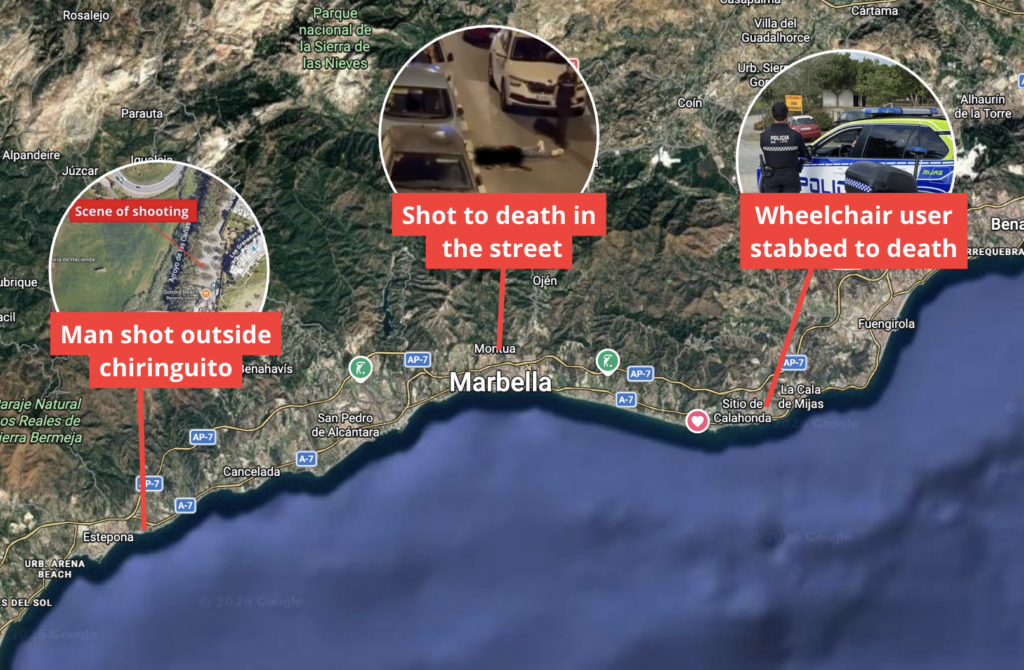
Weeks earlier, a 33-year-old man was assassinated in the middle of a road in Marbella centre, with footage of his body sprawled out and oozing with blood going viral online.
It came after a Lithuanian man was shot in the parking lot of the Sonora chiringuito at the end of July. The beach bar is situated just across from the Marbella boundary in Estepona.
Major gangs established in Malaga
Prosecutors say Andalucia’s geographical and social characteristics continue to make it one of Spain’s territories most exposed to drug trafficking.
It is, they add, ‘probably the territory where the problem is most visible and least hidden’.
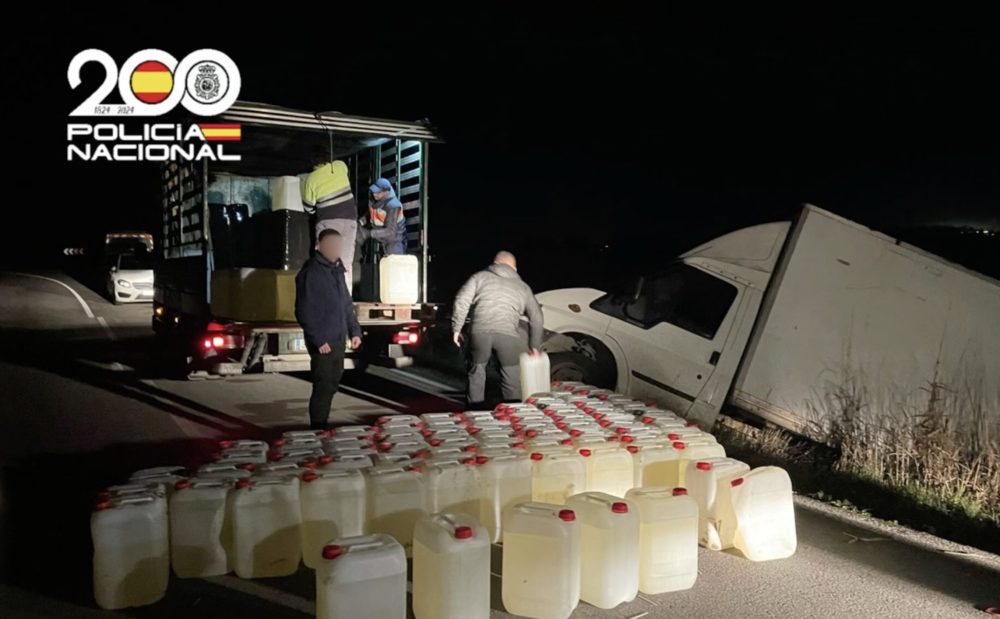

High-speed narcolanchas, once most closely associated with the Strait of Gibraltar, are increasingly operating further along the Andalucian coastline, including in Malaga, Almeria and Huelva.
Meanwhile, major criminal organisations involved in different forms of trafficking have become established in Malaga province.
Their activities extend beyond moving drugs, with prosecutors highlighting the laundering of criminal proceeds through networks of apparently legitimate businesses.
The increasingly complex nature of those organisations is also making them harder to investigate.
Prosecutors specifically point to a lack of adequate judicial infrastructure in the province.
The courts in Marbella and Estepona do not have their own criminal trial sections, meaning cases arising there must be tried in Malaga.
The Public Prosecutor’s Office argues that the complexity and sheer volume of cases – which previously justified creating a specialist anti-drug prosecution office – could now warrant new judicial bodies dedicated to handling them.
Assault rifles and ‘weapons of war’
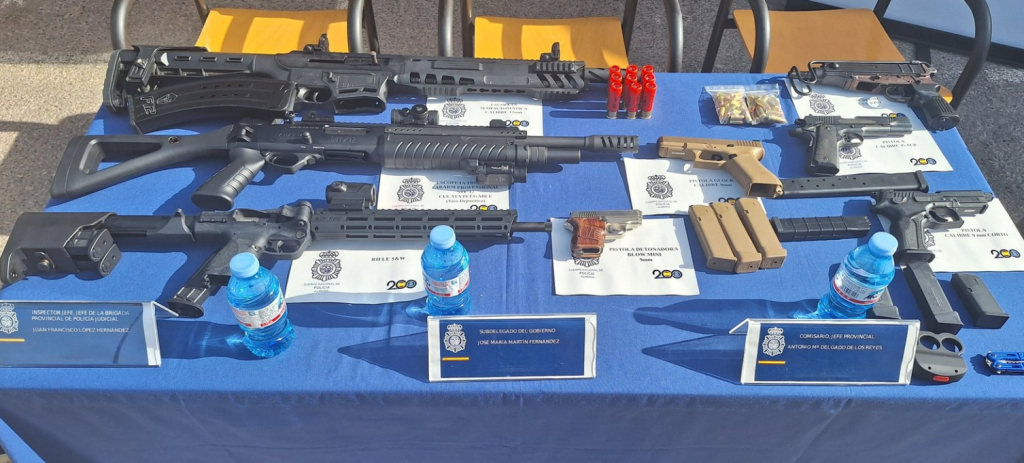
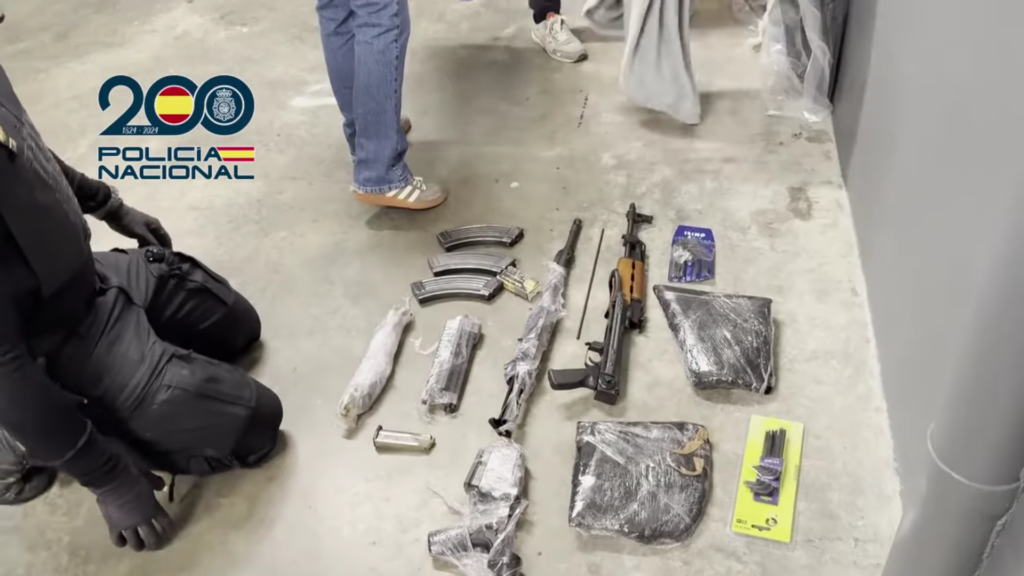
The report paints a disturbing picture across the rest of Andalucia too, warning of an increasing presence of firearms and even military-grade weaponry alongside major drug shipments.
Prosecutors have also detected a growing presence of organised groups involving people from the Balkans and Ukraine which, according to the report, are prepared to use their weapons not only against rival clans but also against police.
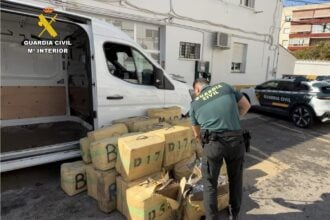
One of the starkest examples occurred during a major operation in Coria del Rio, Sevilla province, after police seized 4.5 tonnes of hashish.
Five suspected traffickers fleeing officers later took refuge in a warehouse in Isla Mayor and opened fire on police with AK-47 assault rifles.
One Policia Nacional officer was seriously injured despite wearing protective body armour.
Those suspected of involvement were eventually arrested in January 2026 in Malaga and Marbella, where investigators also seized 70kg of cocaine, handguns, a drone and other equipment linked to drug trafficking.
Elsewhere, prosecutors recorded 24 firearms proceedings in Cadiz, while 78 firearms, several submachine guns and even a rocket launcher were seized in Almeria.
Warning over threat to ‘social peace’
The Public Prosecutor’s Office says existing resources make it ‘very difficult’ to confront the scale, complexity and violence of modern drug trafficking organisations.
It said the scourge is ‘already undermining the foundations of social peace.’
Prosecutors are calling for more personnel, equipment and legal resources, alongside reforms to strengthen and redefine the powers of Spain’s Audiencia Nacional and create specialist investigative sections in areas particularly affected by drug crime.
They also warn that overwhelmed courts are causing serious delays.
The Criminal Chamber of the Audiencia Nacional held 42 trials over 173 sessions during the period covered by the report and issued 34 judgments.
A total of 251 people were convicted and 58 acquitted.
But prosecutors say complex proceedings are struggling to secure court dates and that more than a year can sometimes pass between a trial taking place and a judgment being delivered.
Those delays can ultimately lead to significant reductions in sentences because defendants can benefit from the mitigating circumstance of undue judicial delay.
Cocaine expands
Drug trafficking cases nationally fell from 29,758 to 25,832 in 2025, according to the report.
However, investigations opened by the Audiencia Nacional increased from 64 to 71, while the number of separate investigative strands jumped from 31 to 93 – something prosecutors say illustrates the extraordinary complexity of major organised crime investigations.
Cocaine trafficking has also gained ground in Cadiz, Sevilla and Huelva.
Narcolanchas previously associated primarily with transporting hashish are now routinely being used to move cocaine collected from vessels at sea, prosecutors say.
Nevertheless, hashish remains the predominant drug trafficked through Andalucia.
Criminal groups are also adopting increasingly elaborate concealment methods, including huge trailers fitted with hollow beams and other hidden compartments. Individual seizures using such methods have reached as much as 23 tonnes.
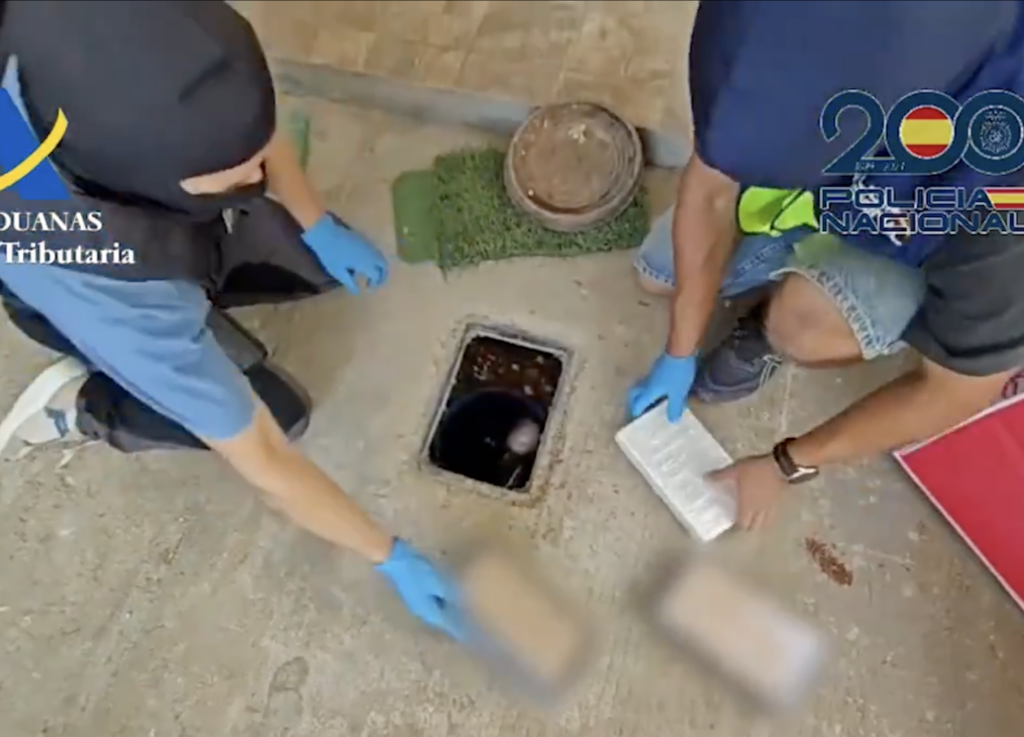
The report also points to tunnels beneath the border with Ceuta as another example of the lengths traffickers are prepared to go to.
The warning is particularly significant for the Costa del Sol, where prosecutors say the threat may not always be as obvious as in traditional drug-trafficking hotspots around the Strait.