
Construction of the Andalucian Green Hydrogen Valley will begin on September 17, it has been confirmed.
It will be one of Europe’s largest renewable hydrogen projects and is being built by energy giant Moeve.
Green hydrogen is a clean fuel made by splitting water into hydrogen and oxygen using renewable electricity, creating zero harmful carbon emissions.
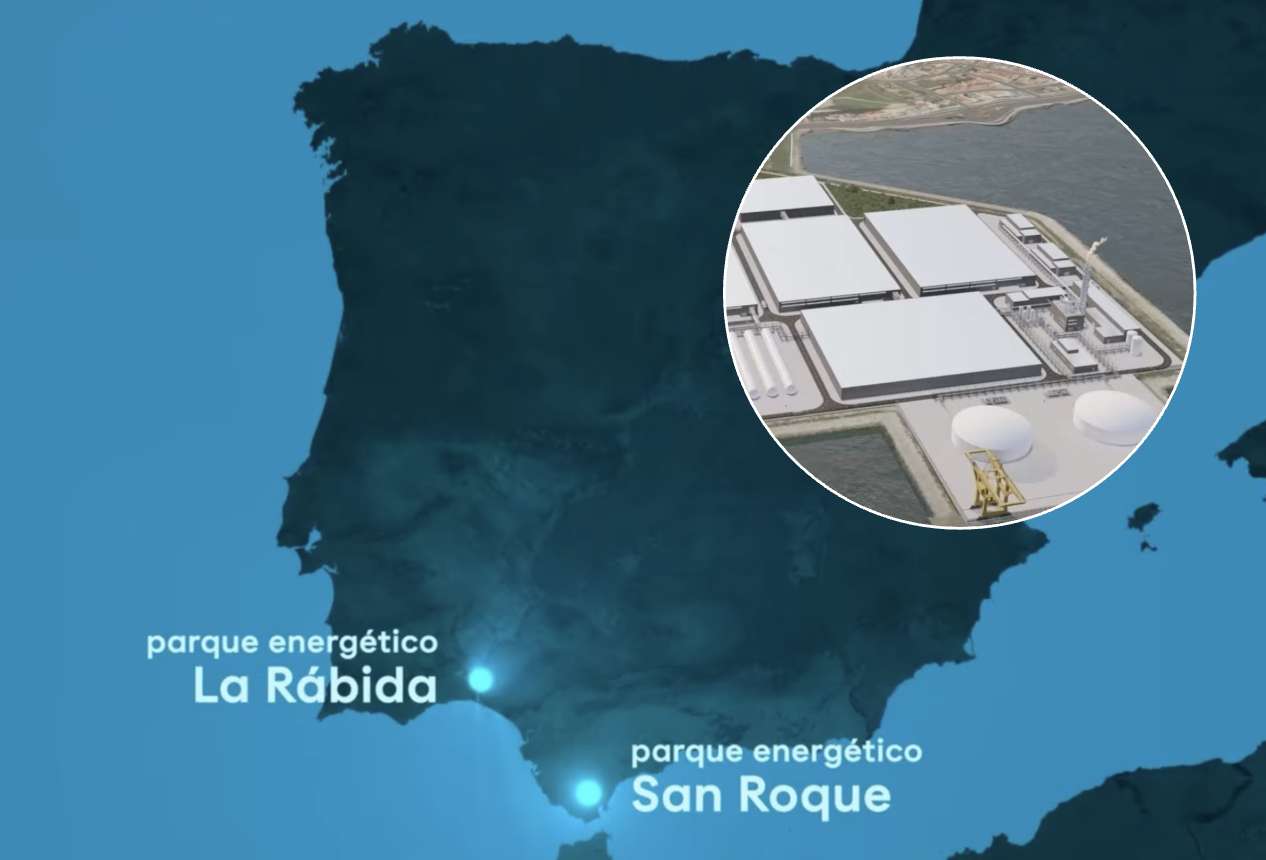
The company said the first phase of the project, known as Onuba, will break ground in Palos de la Frontera (Huelva) and will have an initial capacity of 300 MW, with the option of expanding by a further 105 MW.
The first phase alone represents an investment of more than €1billion, including the associated infrastructure and a dedicated solar power plant to supply renewable electricity.
Moeve holds a 51% stake in the project, alongside clean energy giant Masdar and Enalter, whose majority shareholder is Enagas Renovable.
It has also secured €263million in public funding from Spain’s Recovery, Transformation and Resilience Plan.
Once operational, the 300 MW facility will produce around 45,000 tonnes of green hydrogen every year, preventing approximately 250,000 tonnes of CO2 emissions annually.
That is more than the total emissions produced by petrol and diesel cars in the cities of Huelva, Cadiz and Jaen.
The hydrogen will be used to make renewable fuels for road transport, aviation and the maritime sector, while also helping to decarbonise the chemical and fertiliser industries.
Speaking when the final investment decision was approved, Moeve chief executive Maarten Wetselaar said: ‘Onuba will be the cornerstone of a world-leading green molecules hub in Spain, supplying renewable fuels to sectors that are difficult to decarbonise while strengthening Europe’s energy and industrial resilience.’

The wider Andalucian Green Hydrogen Valley will eventually comprise 2 GW of electrolysis capacity, split equally between Palos de la Frontera (Huelva) and San Roque (Cadiz).
When fully completed, it is expected to produce up to 300,000 tonnes of green hydrogen each year.
The overall investment is estimated at €3billion and is expected to create around 10,000 jobs, including around 1,000 directly.
Andalucia was selected for the project because it already consumes around 40% of all hydrogen used in Spain, has major international ports and benefits from abundant wind and solar resources – crucial for green hydrogen production, where renewable electricity accounts for more than 80% of production costs.