
Spain is overhauling some of its traffic rules from October 1, 2026, bringing in new requirements for cars, electric scooters, bicycles and more.
It comes after the government approved changes to the General Traffic Regulations aimed at improving the safety of vulnerable road users.
Among the biggest changes are a minimum age of 15 for riding an electric scooter, compulsory helmets for cyclists on non-urban roads, new protective equipment for motorcyclists and tougher rules for motorists overtaking bicycles.
Non-urban roads are roadways outside of town and city centres, such as dual carriageways and motorways.
However, not every measure will take effect on October 1, with some requirements delayed until 2027.
Electric scooters
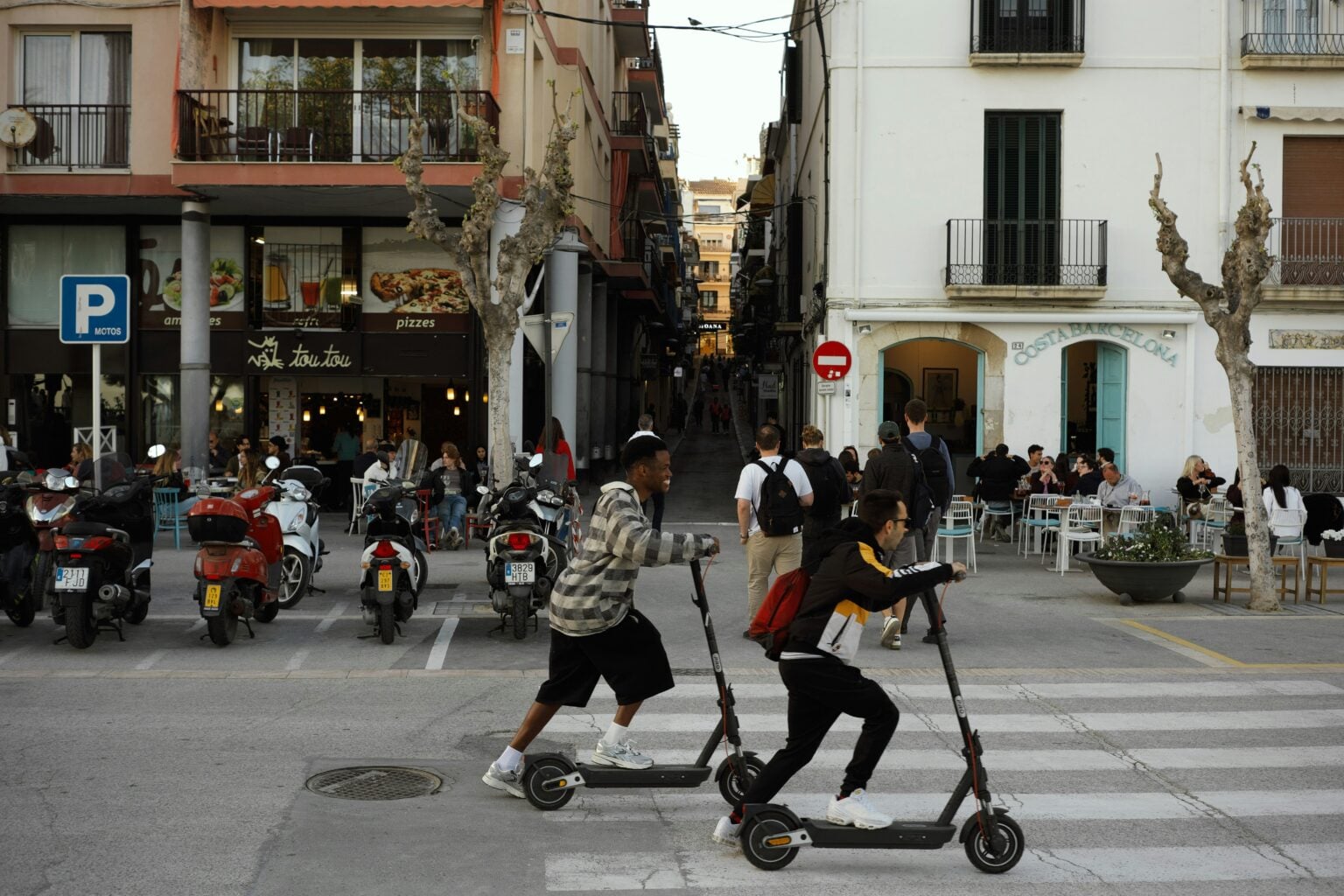
From October 1, anyone using a personal mobility vehicle (VMP), the category which includes most electric scooters, must be at least 15 years old.
Riders will also have to wear a protective helmet.
A reflective vest will be required at night or when visibility is poor.
Professional users of VMPs will have to wear both a helmet and reflective vest at all times.
Failure to comply with the relevant helmet or high-visibility requirements will be considered a serious offence carrying a €200 fine.
Permanent compulsory lighting on VMPs has been delayed until October 1, 2027.
New rules for cyclists
Cyclists will also face several important changes.
Existing exemptions from wearing a helmet on non-urban roads are being removed, meaning all cyclists will have to wear one when riding outside urban areas.
Delivery riders and other professionals working on bicycles will have to wear both a helmet and reflective vest at all times, with breaches punishable by a €200 fine.
Rules governing drivers overtaking cyclists are also being strengthened.
On non-urban roads, motorists overtaking a bicycle will have to travel at least 20km/h below the applicable speed limit.

Where a road has more than one lane travelling in the same direction, drivers will be required to move completely into another lane to overtake, while maintaining the required minimum lateral separation of 1.5 metres.
In towns and cities, cyclists will be permitted to ride preferentially in the centre of their lane.
Motor vehicles following a cyclist in the same lane will have to maintain at least five metres of distance.
Motorcyclists
Meanwhile, motorcycle and moped riders – including passengers – will face new equipment rules.
Protective gloves will be required on non-urban roads, while closed footwear will become compulsory on all roads.
Breaches will be treated as serious offences carrying a €200 penalty.
However, the requirement for officially approved protective gloves will depend on a separate ministerial order setting out their technical specifications. Until then, gloves meeting the characteristics currently used will apply.
Motorcycles will also be permitted to use the right-hand hard shoulder during congestion on specifically designated stretches, provided they do not exceed 30km/h.
Professional delivery riders using motorcycles will have to wear reflective vests at all times.
Helmet change delayed until 2027
Another important date for motorcyclists is October 1, 2027.
From then, the new regulations will require motorcycle and moped helmets to meet the specified homologation requirements, rather than merely being certified.
This particular provision therefore does not take effect this October.
Emergency corridor
Spain is also formally regulating the creation of an emergency corridor during severe traffic jams.
When vehicles are stationary or moving at walking pace, drivers will have to move towards the sides of the carriageway to create a clear route through the middle for police and emergency vehicles.
There will also be specific rules during heavy snow on motorways and dual carriageways.
When snow disrupts traffic, overtaking will be prohibited and vehicles will have to use the right-hand lane, leaving the left lane available for emergency vehicles and snowploughs.
New rules when passing broken-down vehicles
Drivers passing vehicles stopped because of a crash, breakdown, rescue operation, maintenance work or traffic-control operation will have to leave at least 1.5 metres of lateral space.
They must also reduce their speed by at least 20km/h below the road’s limit.
The reform additionally introduces changes covering pedestrian crossings, safe school routes and motorhome parking in urban areas.
Most of the overhaul takes effect on October 1, 2026, giving millions of drivers and riders in Spain just weeks to familiarise themselves with the new requirements.