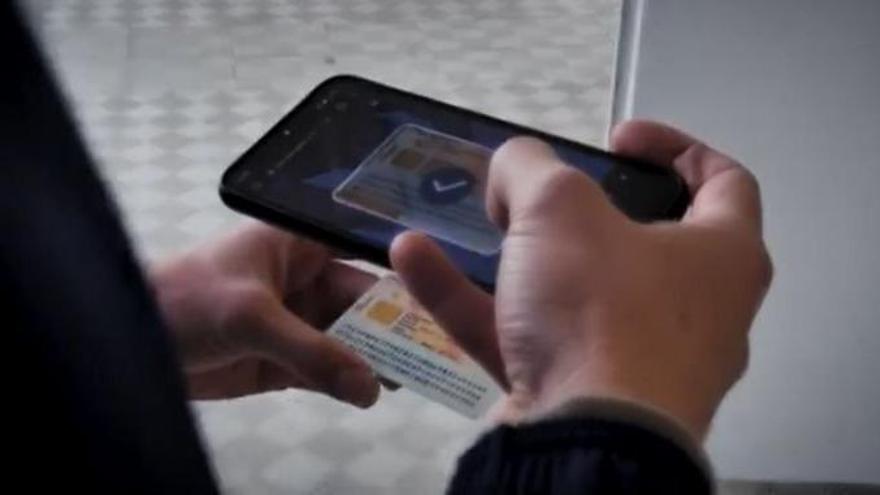

The Guardia Civil has issued fresh advice over the practice of sending photographs of ID via WhatsApp.
In a cybersecurity alert, the force urged people to think carefully before sending a their full DNI or TIE cards to another person or company.
‘A copy of your documentation can be used to try to impersonate your identity or commit fraud,’ the Guardia Civil warned.
Such copies are routinely requested in Spain for everything from accommodation and rentals to contracts and administrative procedures.
But the Guardia Civil says people should ask themselves four questions before hitting send.
First, who is asking for it? Users should establish that the person or organisation requesting their identification is legitimate rather than simply trusting a WhatsApp message.
Second, why do they need it? The fact that someone has requested a DNI, passport or TIE does not automatically mean providing a complete copy of the document is necessary.
Third, the Guardia Civil advises asking whether it is essential to send the entire document.
Depending on the purpose, it may not be necessary for the recipient to see every piece of information contained on the ID.
And finally, is the channel being used secure?
The Guardia Civil is not claiming that every legitimate request made through WhatsApp is a scam, but that consumers should consider the security and necessity of sharing such a sensitive document.
Why can it be dangerous?
A photograph of an identity document contains valuable personal information which could potentially be exploited by criminals for identity theft or fraud.
The warning comes amid increasing concern in Spain about sophisticated scams in which criminals use genuine personal details to make fraudulent communications appear convincing.
Anyone receiving an unexpected request for identification should verify independently who is requesting it and why before providing the document.