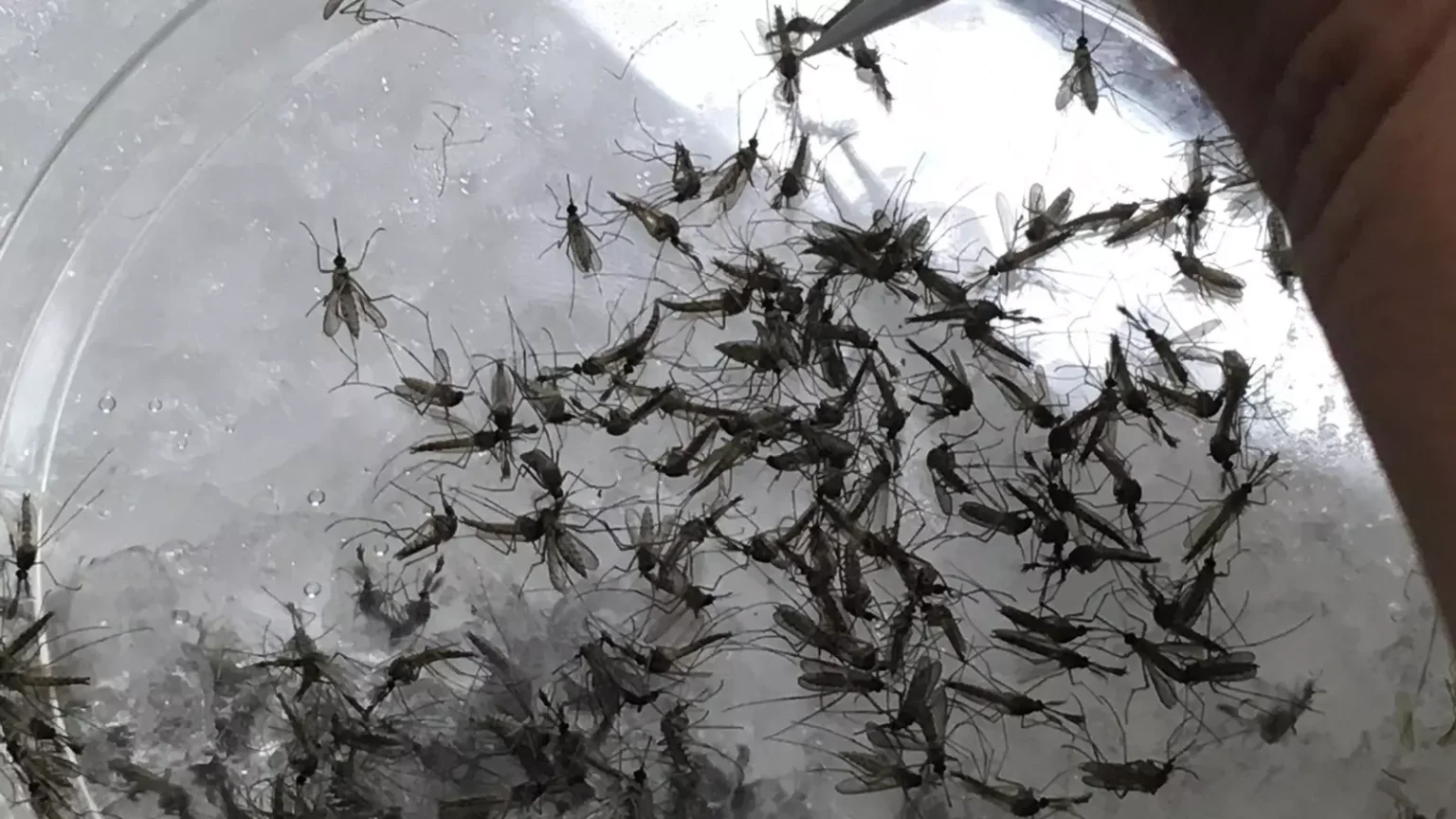

Health authorities have placed Fuengirola and Las Lagunas in Mijas on alert after mosquitoes carrying the West Nile virus were detected in both municipalities.
The Junta de Andalucia activated the warning following routine surveillance that confirmed the presence of the virus in mosquitoes, triggering enhanced monitoring and pest control measures.
The alert will remain in force for at least four weeks, until August 21, provided no human cases are recorded and the virus is not detected again in mosquitoes, birds or horses.
Despite the warning, no human cases of West Nile fever have been confirmed in Malaga province this year.
The only five cases reported so far in Andalucia have all been in Sevilla province, where patients experienced mild symptoms.
The alert also applies to the municipality of Bollullos de la Mitacion in Sevilla province.
As part of the response, Fuengirola and Mijas councils have been instructed to step up mosquito control measures, including treating breeding sites and targeting areas where adult mosquitoes shelter within a 1.5km radius of populated areas.
Malaga’s regional health authority has already informed both town halls and the provincial council so prevention and surveillance measures can be coordinated.
Health officials will also increase public awareness campaigns through health centres, pharmacies and community nurses, advising residents how to reduce the risk of mosquito bites and prevent mosquitoes from breeding.
The positive detection came after the Junta analysed 3,310 mosquito samples collected from 213 traps across Andalucia during the current mosquito season. One of the positive samples was recorded in Mijas.
The virus has now been detected this year in parts of Almeria, Jaen, Granada, Cordoba, Sevilla and Malaga, bringing the total number of municipalities under West Nile virus alert in Andalucia to 15.

The regional government operates a surveillance network of around 215 mosquito traps, run in partnership with provincial councils, universities and scientific organisations, to detect the virus before human infections occur.
Residents are being urged to use approved insect repellents, install mosquito screens on windows and doors, wear long sleeves and trousers where possible, and remove standing water from gardens, patios and balconies where mosquitoes can breed.
Extra caution is advised at dawn and dusk, when the insects are most active.
West Nile virus is spread primarily through the bite of infected mosquitoes. Most people who become infected develop no symptoms at all, while others may experience fever, headaches, fatigue and muscle pain. In rare cases, the infection can lead to serious neurological complications.