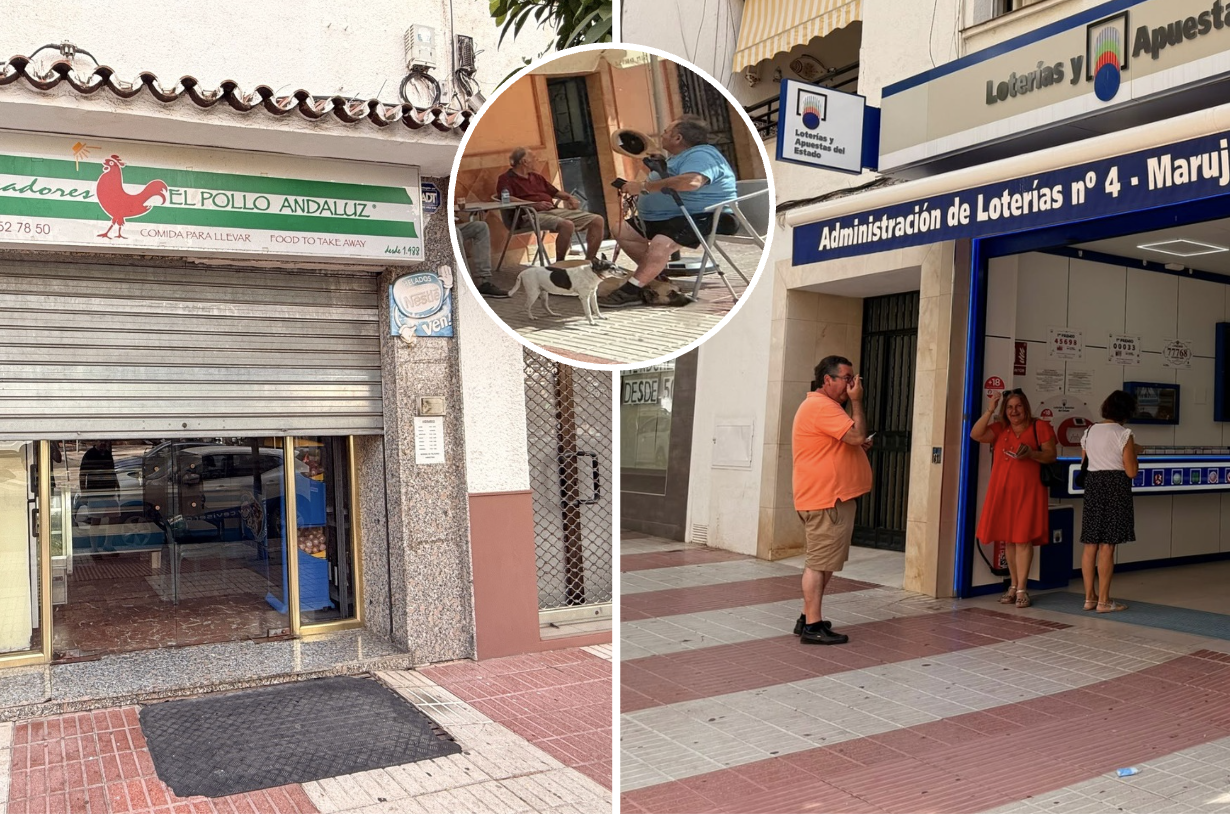

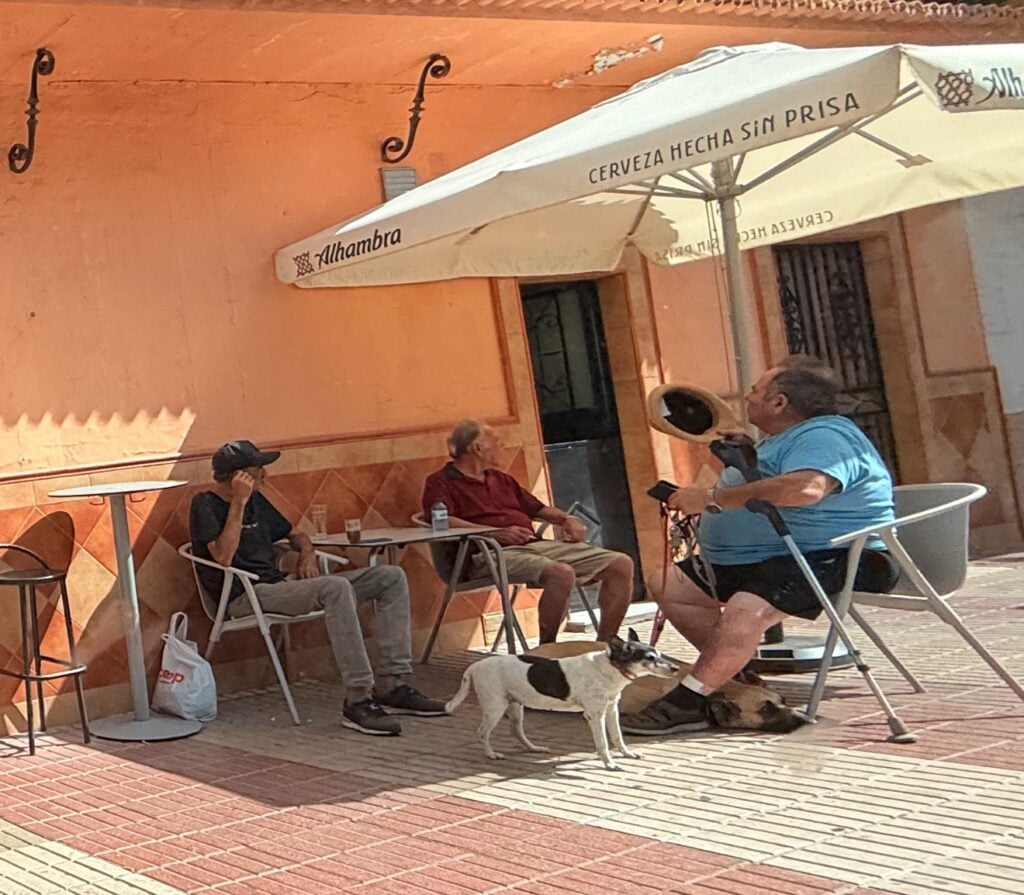
It’s not yet noon and a pot-bellied old boy is perched up at his local watering hole.
In one hand is a caña, the other his walking stick. He is chatting to two slender friends while fanning himself with his fadora.
A spotted podenco and a German Shepherd are panting away at their feet, attempting to cool themselves down as the heat begins to rise.
This is a summer’s morning in San Pedro de Alcantara, Marbella, but the truth is it could be anywhere in Andalucia.
The scene is just one of the many telltale signs that you have entered a proper Spanish town.
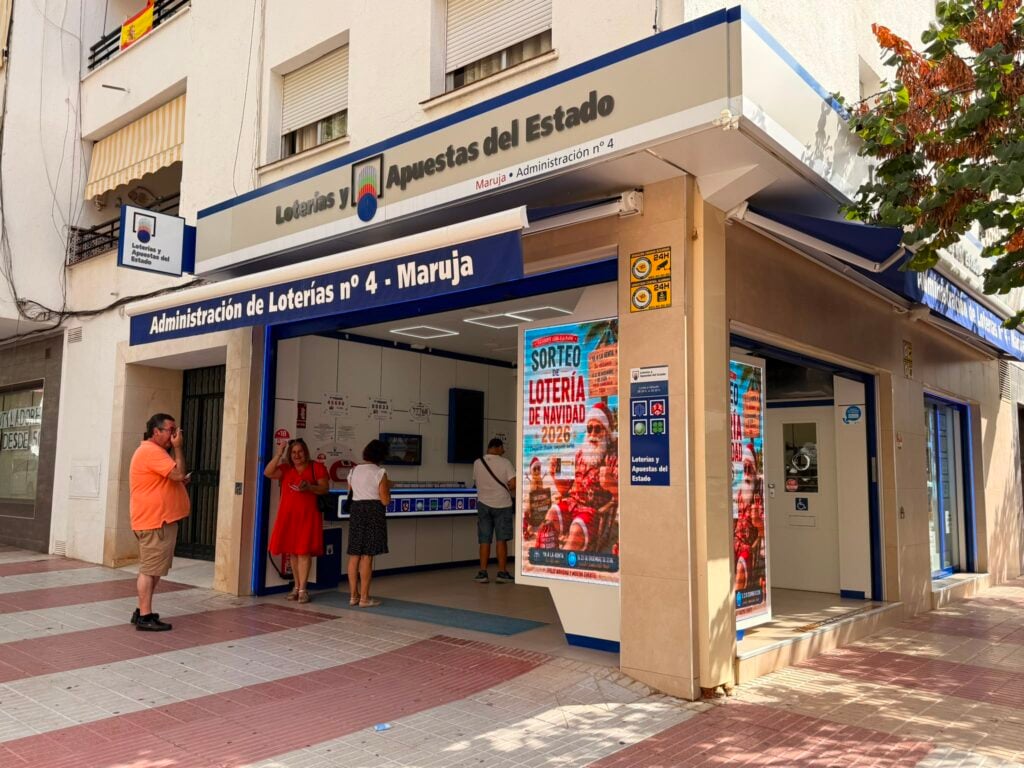
There’s also the rotisserie chicken shop that opens at 11am (and closes by 4pm), and the lottery shop with queues around the block.
Whether you’re in Estepona, Ronda, or countless other villages, the formula is remarkably similar.
Below are some of the other unmistakable signs you’ve found yourself in authentic Spain.
The lottery shops and kiosks
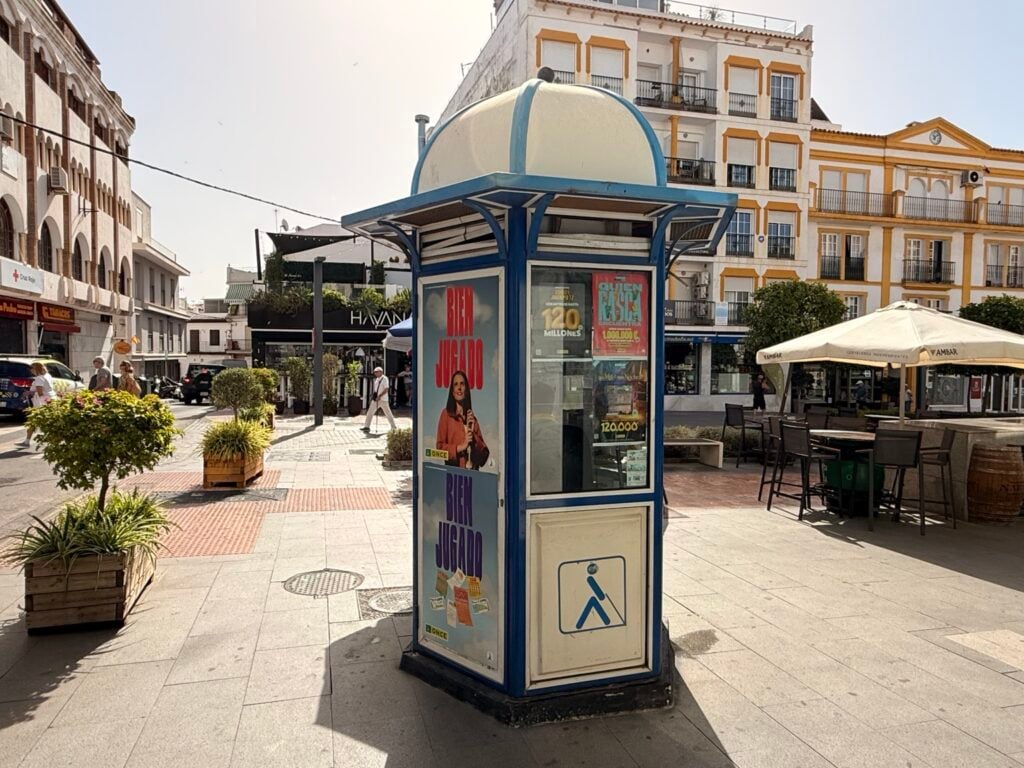
It seems impossible to imagine a Spanish town without a blue-and-white ONCE kiosk sitting proudly in the main square.
Regulars stop by every day for their lucky numbers, while tourists wonder why there always seems to be a queue.
Then there’s the official lottery shop, where locals queue for the Primitiva, Euromillones and, of course, the Christmas lottery (El Gordo).
The walls are covered with numbers, jackpot totals and reminders of past winning tickets, while customers carefully select the combination they hope will bring them fortunes.
The estanco (Tabacos)
Many visitors to Spain are surprised by the number of people who still smoke.
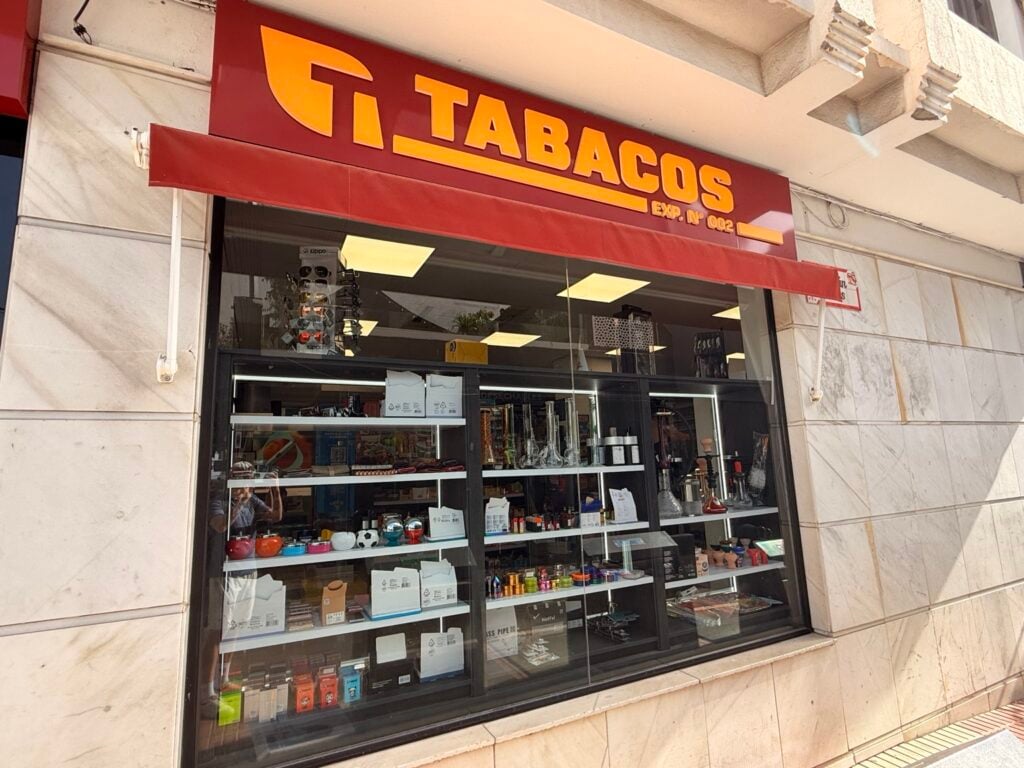
In fairness, it’s not as though cigarettes are hard to come by, with the local ‘Estanco’ long being a fixture of Spanish life.
With its unmistakable red-and-yellow ‘Tabacos’ sign, the stores sell stamps, lottery products any type of smoking device you can imagine, be it cigarettes, cigars or vapes.
A pharmacy every few streets
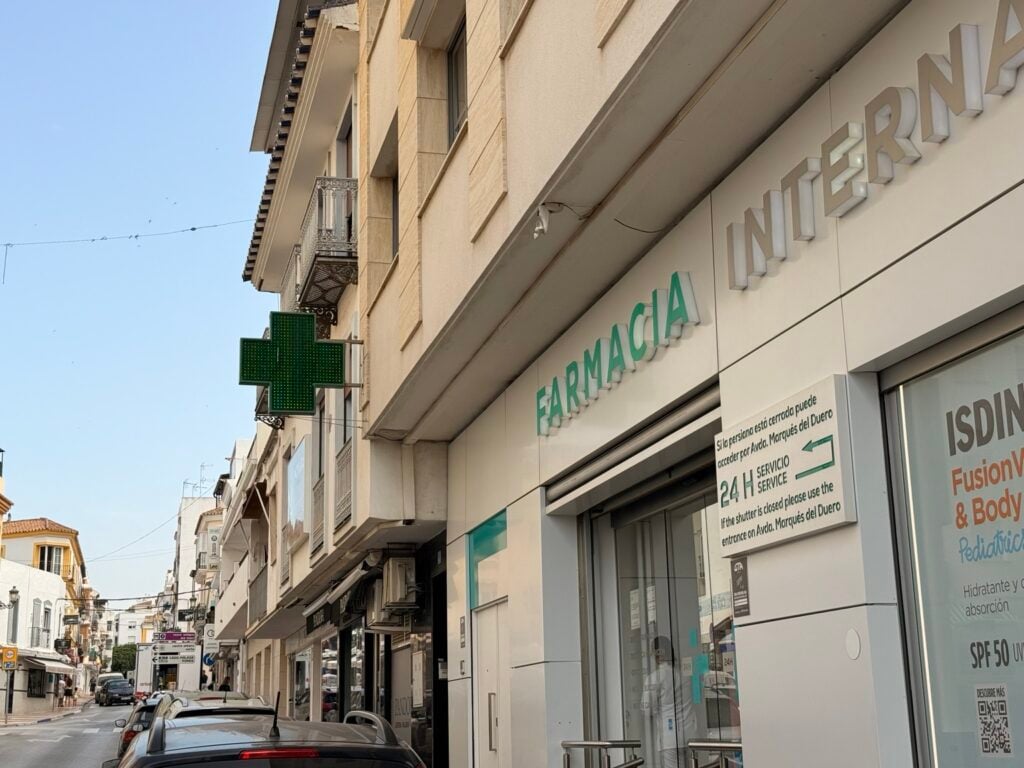
Spanish pharmacies are famously everywhere, in fact, there are approximately 1.2 pharmacists for every 1,000 people.
It makes it a leader in Europe in terms of how many pharmacies there are relative to the population.
Look up and you’ll spot the glowing green cross, while the door almost always displays the rota for the nearest 24-hour pharmacy.
The morning churreria
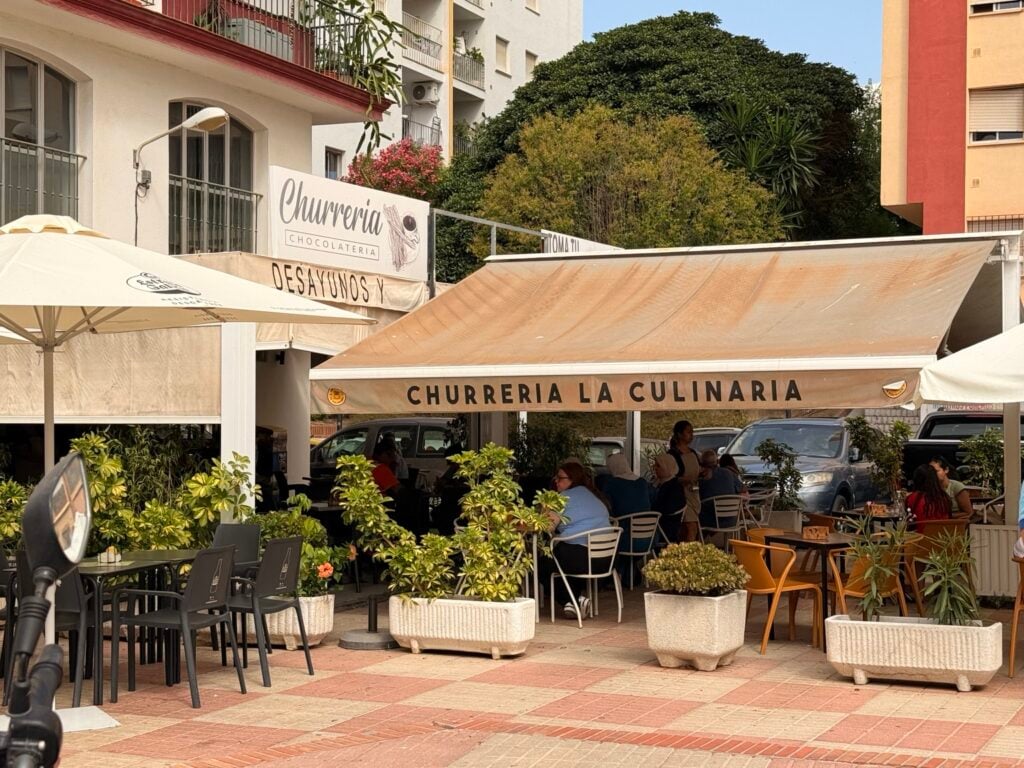
By 9am, locals are already tucked under the awnings with churros, thick hot chocolate or coffee and toast with olive oil and tomato.
It’s one of Spain’s most enduring breakfast traditions, and why no town is complete without at least one ‘churreria’.
‘El chino’
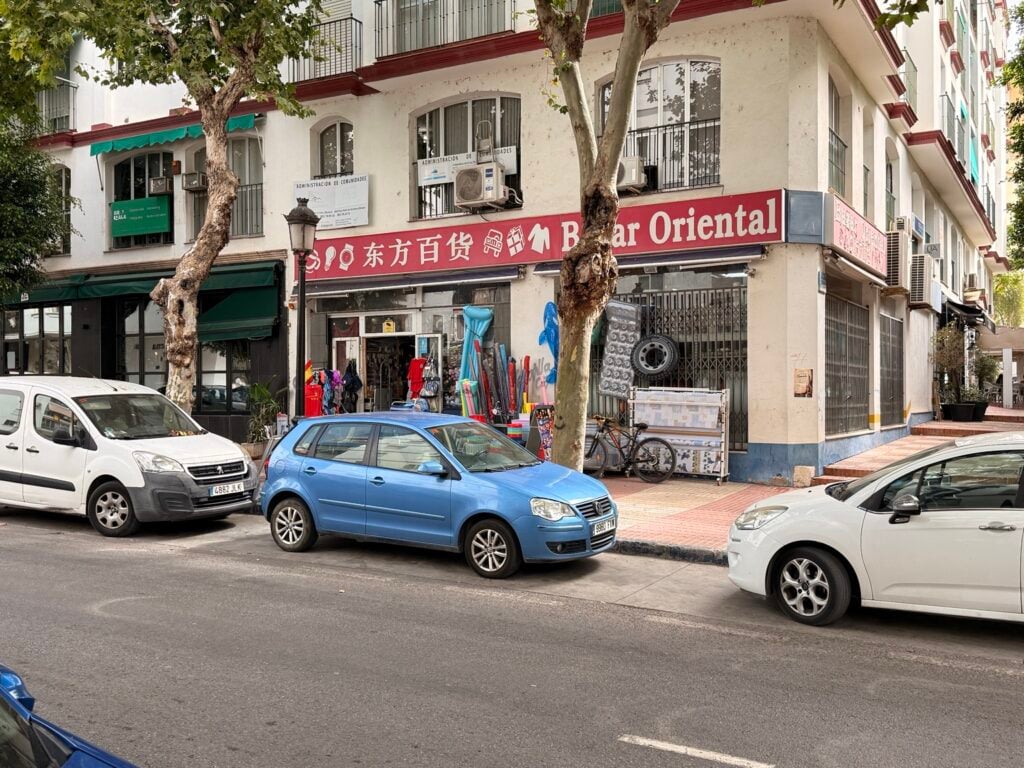
No matter what it’s actually called, everyone simply refers to it as ‘el chino’.
The so-called ‘Bazaars’, run by Chinese families, sell every single knick-knack you could imagine needing.
They are incredibly helpful when you suddenly need anything from batteries and flip flops to cheap phone chargers and AC units.
The family-run ferreteria
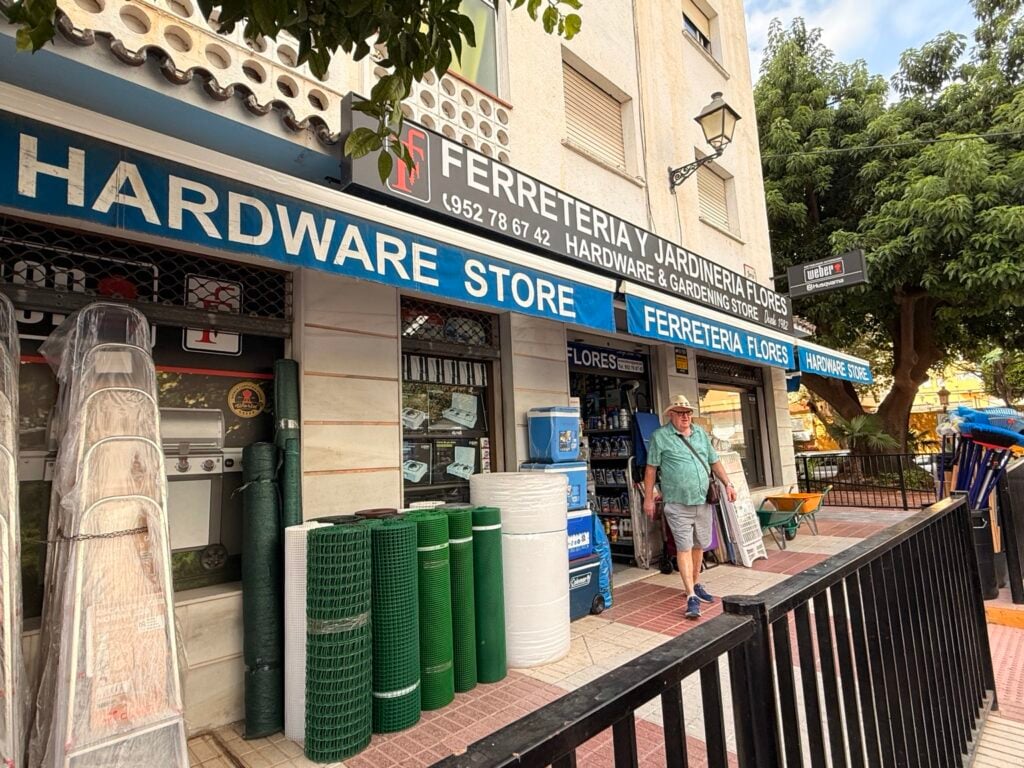
Every traditional Spanish town seems to have a hardware store that’s been there forever.
When you garage clicker stops working or you need new keys cut, they are a godsend.
They also stock a large number of hardware tools and gardening items that can save you from a big trip to El Corte Ingles.
The pollo asado shop
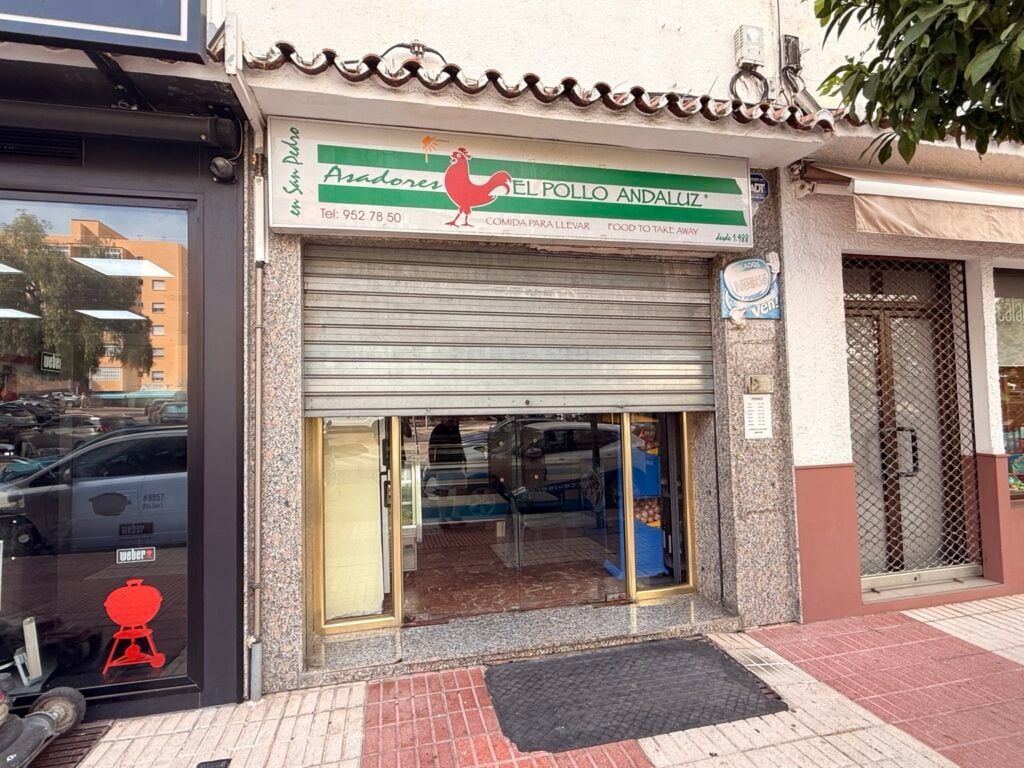
When you live in a Spanish town you come to realise that the chicken shop is the place to go for takeaway lunch that will please all the family.
The stores are usually holes in the wall that open at 11am and close by 3pm or 4pm, selling little else than whole roasted chicken and chips.
By midday there’s a queue outside and there’s rarely a day when they don’t sell out.
The salon de juego
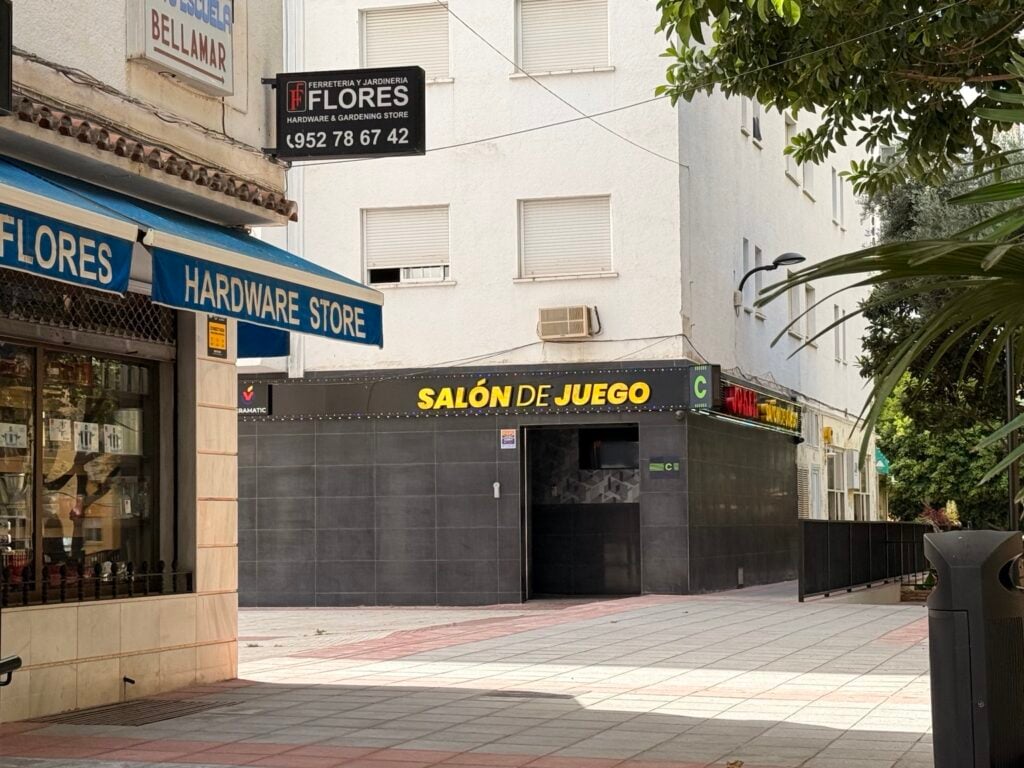
Whether anyone admits to going in is another matter, but nearly every town has a betting shop or gaming hall tucked away somewhere.
Its bright yellow sign is almost as familiar as the pharmacy cross.
Life happens outside
Perhaps more than anything else, traditional Spanish towns are lived outdoors.
Conversations happen on terraces, neighbours stop each other in the street, and entire afternoons disappear over a coffee or a beer.
It’s a slower pace of life that many expats say they came to Spain searching for – and one that’s still thriving in towns across Andalucia.
Read more Andalucia news at the Spanish Eye.