
From minimalist villas and sleek apartments to organic cafes and wellness clubs, the influence of Scandinavian and Nordic buyers on the Costa del Sol stretches far beyond the number of homes they purchase each year.
According to a new analysis of the region’s property market, buyers from Sweden, Norway, Denmark and Finland have become some of the coast’s biggest trendsetters, helping shape everything from architecture and interior design to the type of developments being built.
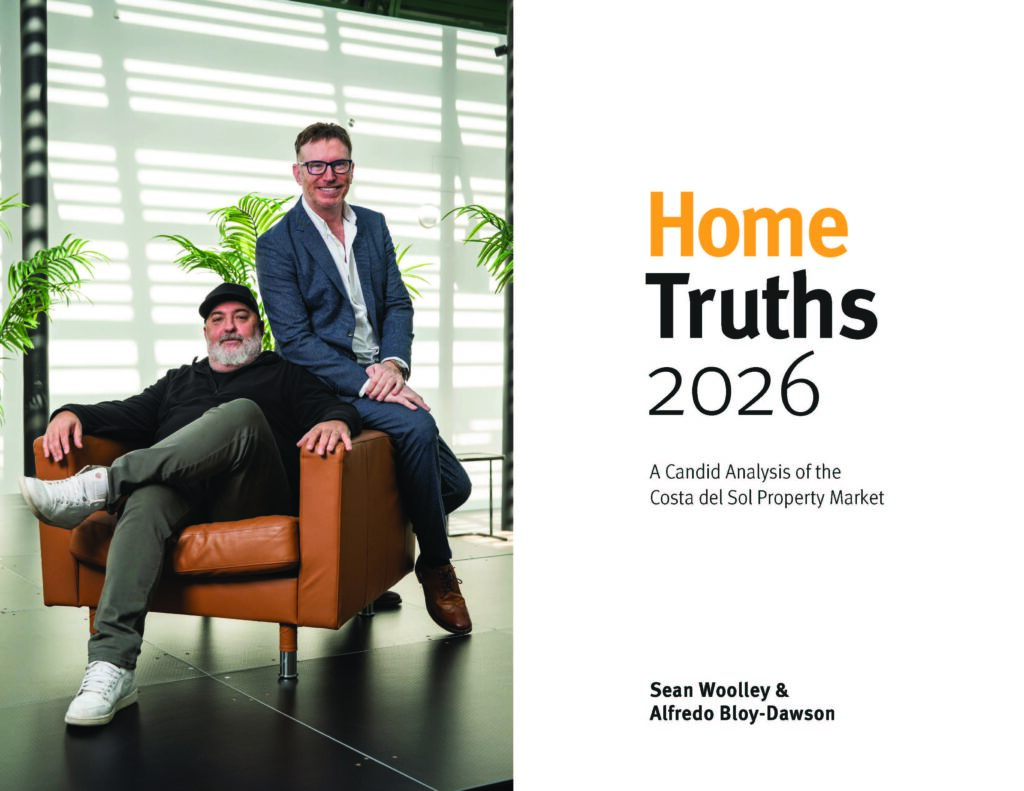
While British buyers remain the largest foreign market overall, the authors of Home Truths 2026 argue that Scandinavian and Nordic tastes increasingly dictate what developers, architects and estate agents consider desirable.
Rather than prioritising size, Nordic buyers tend to focus on quality of life.
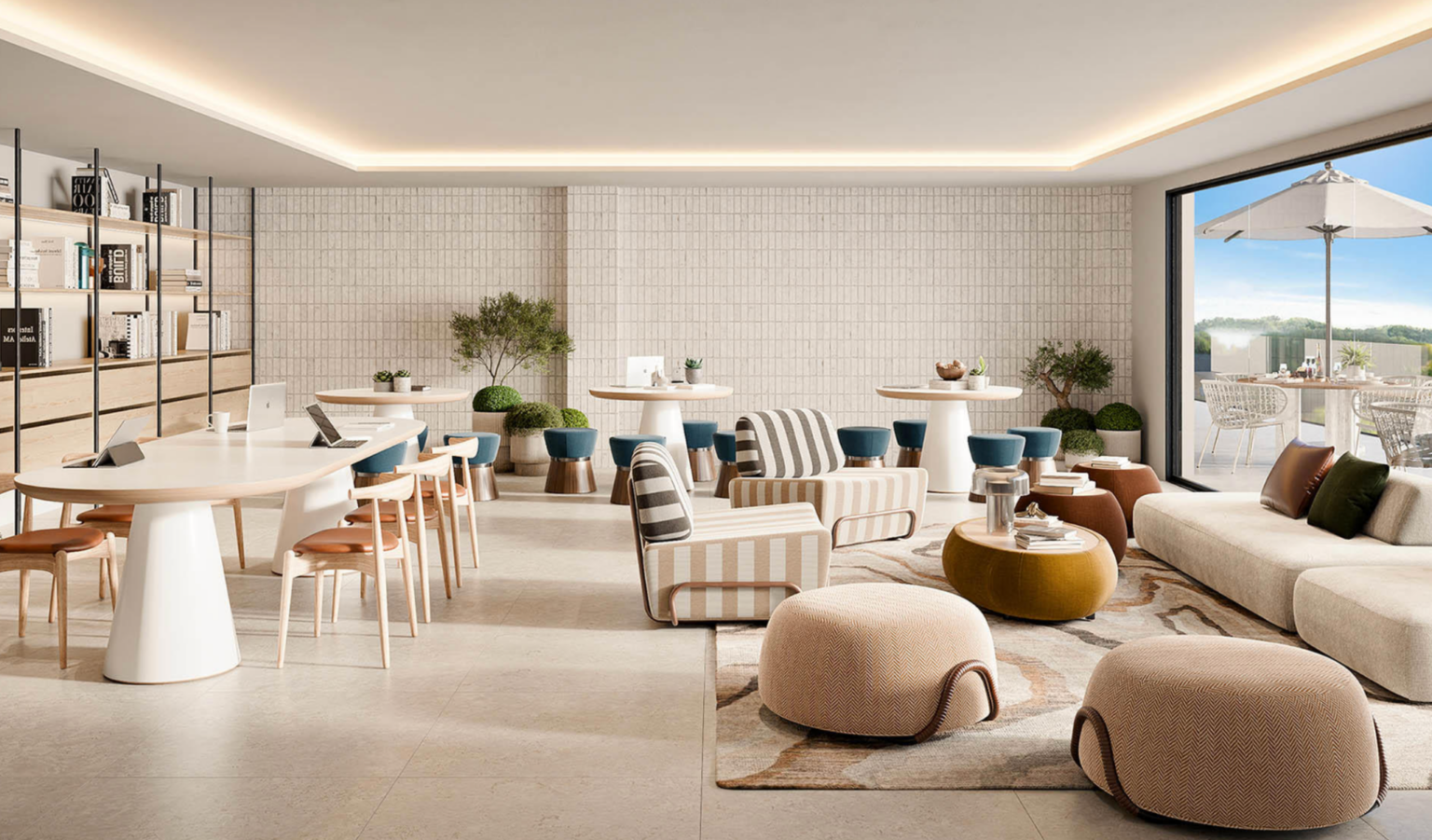
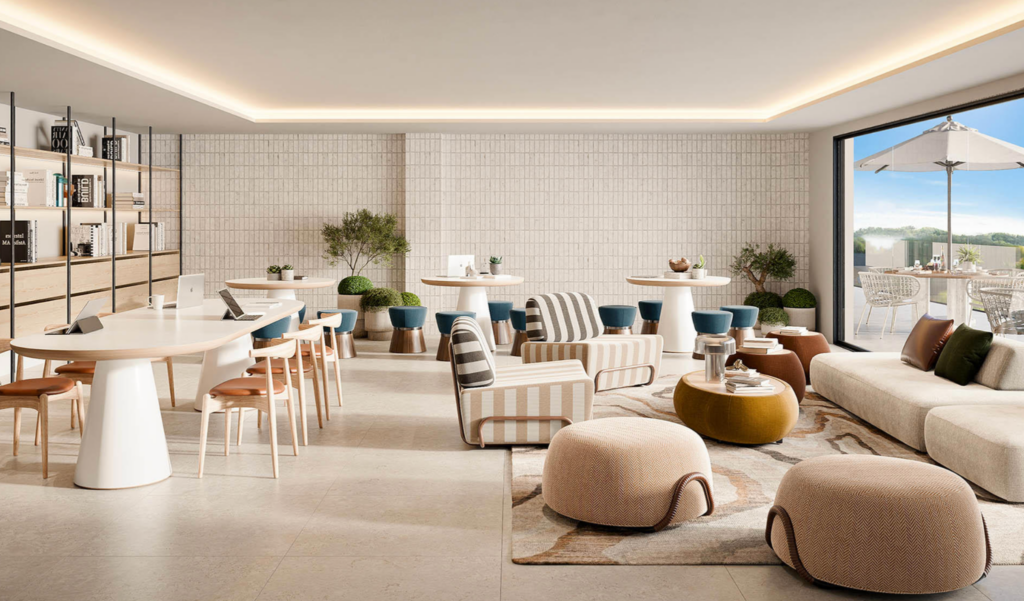
They favour contemporary homes with clean lines, floor-to-ceiling windows, open-plan living areas and large terraces designed to maximise natural light.
Energy efficiency, solar panels, smart-home technology and sustainable construction are also high on the wish list.
The report says these preferences have become increasingly influential because they are now being adopted by buyers from other countries too.
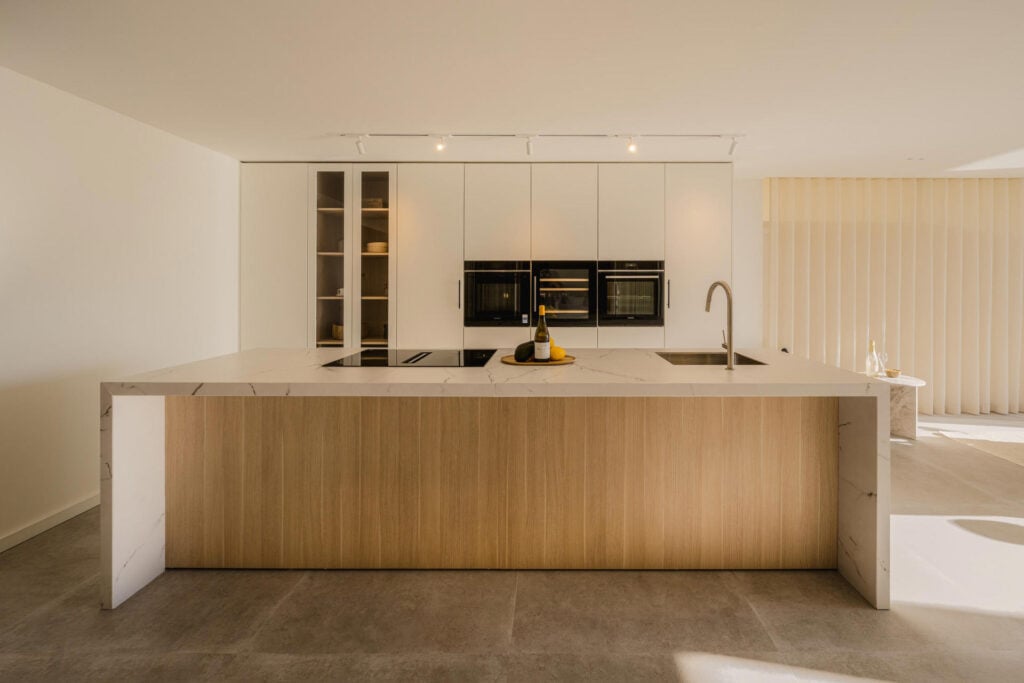
Developers across Marbella, Estepona, Mijas and Benahavis have responded by replacing the heavy Mediterranean style that once dominated the Costa del Sol with lighter, more minimalist homes inspired by northern European design.
That trend extends well beyond property.
The growing Scandinavian community has helped fuel demand for healthy restaurants, artisan coffee shops, cycling routes, boutique gyms, wellness centres and outdoor lifestyle businesses, many of which have become popular with residents of all nationalities.
The report also highlights the buying habits that distinguish Nordic purchasers from other foreign buyers.
Scandinavians are described as placing a particularly strong emphasis on modern architecture, environmental credentials and practical layouts, while British buyers have traditionally favoured established communities close to golf courses or beaches and are often more willing to purchase older resale properties if the location is right.
Another difference is timing.
Estate agents have long observed that enquiries from Sweden and Norway typically peak during the winter months, when many residents are looking to escape the cold for Spain’s year-round sunshine.
The Costa del Sol’s Scandinavian influence is perhaps most visible in areas such as Fuengirola, Mijas and Benalmadena, where long-established Nordic communities have helped create schools, businesses and social networks that continue to attract new arrivals.
Estepona has also emerged as a favourite among Scandinavian buyers thanks to its blend of traditional Andalucian charm and modern beachfront developments.
The authors argue that the region’s appeal to Nordic buyers has helped drive wider changes in the market.
Homes with generous terraces, energy-efficient construction, seamless indoor-outdoor living and flexible spaces for remote working have become some of the most sought-after properties on the coast, with many of those features first gaining traction among Scandinavian purchasers before becoming mainstream.
For anyone wondering why so many new developments on the Costa del Sol now look more like something from Stockholm than southern Spain, the answer may simply be that developers are building the homes Scandinavian buyers wanted years ago – and everyone else has decided they want them too.