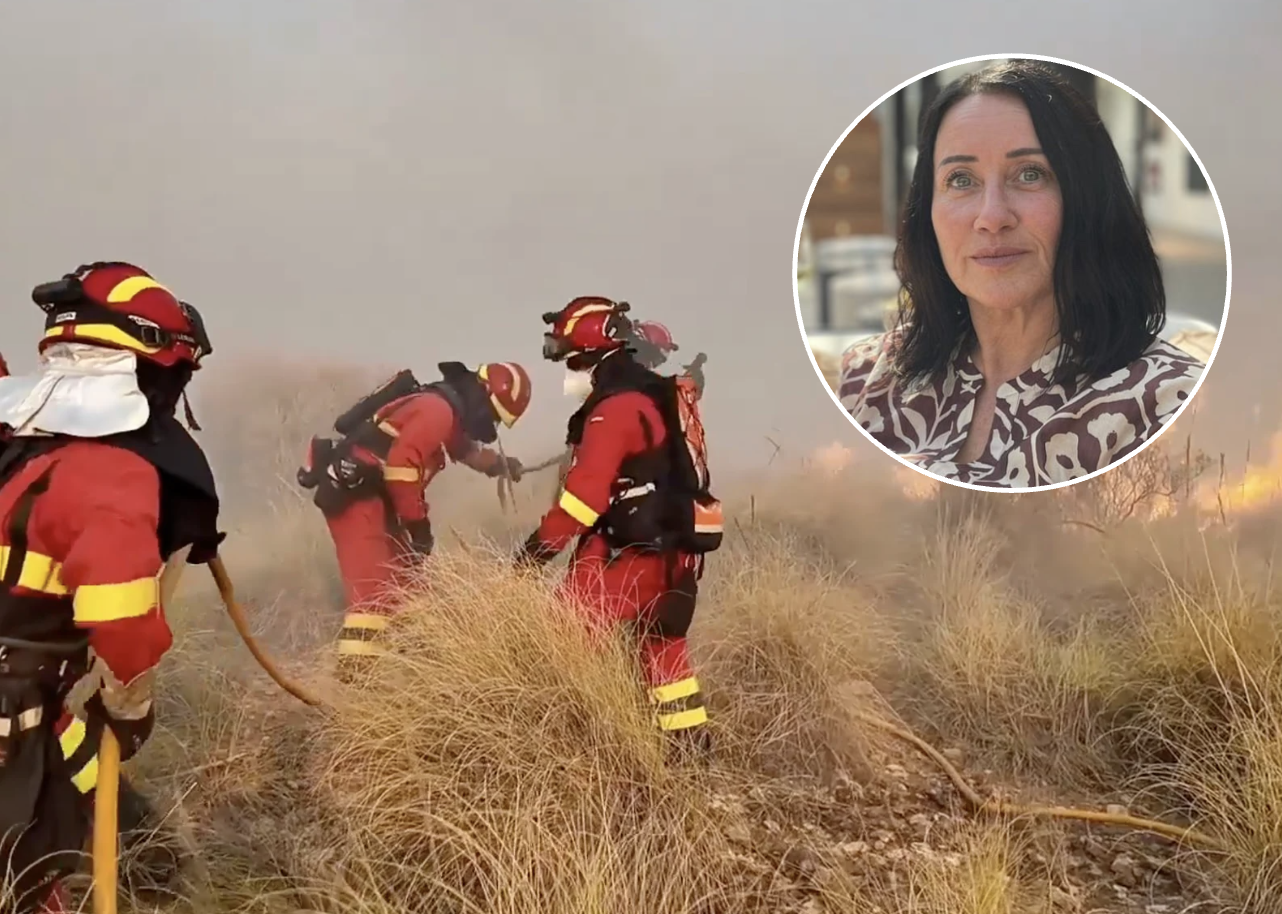

As southern Spain faces another devastating wildfire season, many homeowners are asking the same question: if the worst happens, will their insurance pay out?
According to Sam Campbell of Sam Campbell Insurance, the answer is usually yes – but there are important exceptions.
‘Fire damage is one of the core protections included in the vast majority of Spanish home insurance policies,’ Campbell explained to the Spanish Eye.
‘That generally includes wildfires that spread from nearby forests or scrubland, not just fires that start inside the home.’
In most standard policies, the structure of the building is covered, while furniture and personal belongings are protected if contents insurance has also been included.
However, Campbell warned that cover is not automatic in every situation.
Claims may be reduced or refused if the fire was caused deliberately or through serious negligence, if premiums have not been paid, or if important details about the property were not disclosed to the insurer.
Illegal extensions or undeclared outbuildings can also create problems.
One of the biggest misconceptions among foreign homeowners is that Spain’s public insurance compensation fund will step in after a wildfire.
‘The Consorcio de Compensacion de Seguros generally does not cover material damage caused by wildfires because they are not classed as extraordinary risks,’ Campbell said.
‘In practice, homeowners rely on their private insurer.’
Higher premiums
Properties located close to woodland or protected countryside can also face higher premiums or stricter insurance conditions.
Some insurers require vegetation to be cleared around homes, while others may limit cover for wooden outbuildings or temporary structures.
Campbell recommends checking insurance carefully before buying a rural property, ensuring both the building and contents are adequately insured and confirming that wildfire damage is specifically included.
Key advice
For homeowners looking to reduce both wildfire risk and potential insurance disputes, she advises maintaining a cleared safety perimeter around the property, regularly removing dry vegetation, respecting fire bans, ensuring emergency vehicles can easily access the home and documenting preventative work with photographs and receipts.
If a property is damaged by wildfire, Campbell says owners should contact their insurer as quickly as possible, photograph all damage before carrying out repairs, keep receipts and cooperate fully with their insurer’s loss adjuster.
‘The first few days after a wildfire can have a significant impact on your insurance claim,’ she said.
‘Good documentation and early communication with your insurer can make the process much smoother.’
The advice comes after Andalucia suffered one of the deadliest wildfires in its history, with the Los Gallardos blaze in Almeria killing 13 people and destroying around 7,000 hectares of land.
The biggest misconceptions
Many foreign homeowners assume insurance works the same way in Spain as it does in their home country.
According to Campbell, these are some of the most common misunderstandings:
- ‘The government will pay if my home is damaged by a wildfire.’
Not usually. Spain’s Consorcio de Compensacion de Seguros generally covers extraordinary risks such as major floods and earthquakes, but not damage caused by wildfires. In most cases, homeowners must rely on their private home insurance. - ‘Every wildfire is automatically covered.’
Most standard policies include fire cover, but claims can be reduced or rejected if there has been serious negligence, intentional behaviour, unpaid premiums or inaccurate information provided when taking out the policy. - ‘If my house is insured, everything on my land is covered too.’
Not necessarily. Contents, swimming pools, garden structures, outbuildings, fences and vehicles may require separate cover or additional policy options. - ‘The cheapest policy is just as good as any other.’
Price should not be the only consideration. Lower-cost policies can come with reduced cover, lower claim limits or more exclusions. Understanding exactly what is included is often far more important than saving a small amount on the premium.