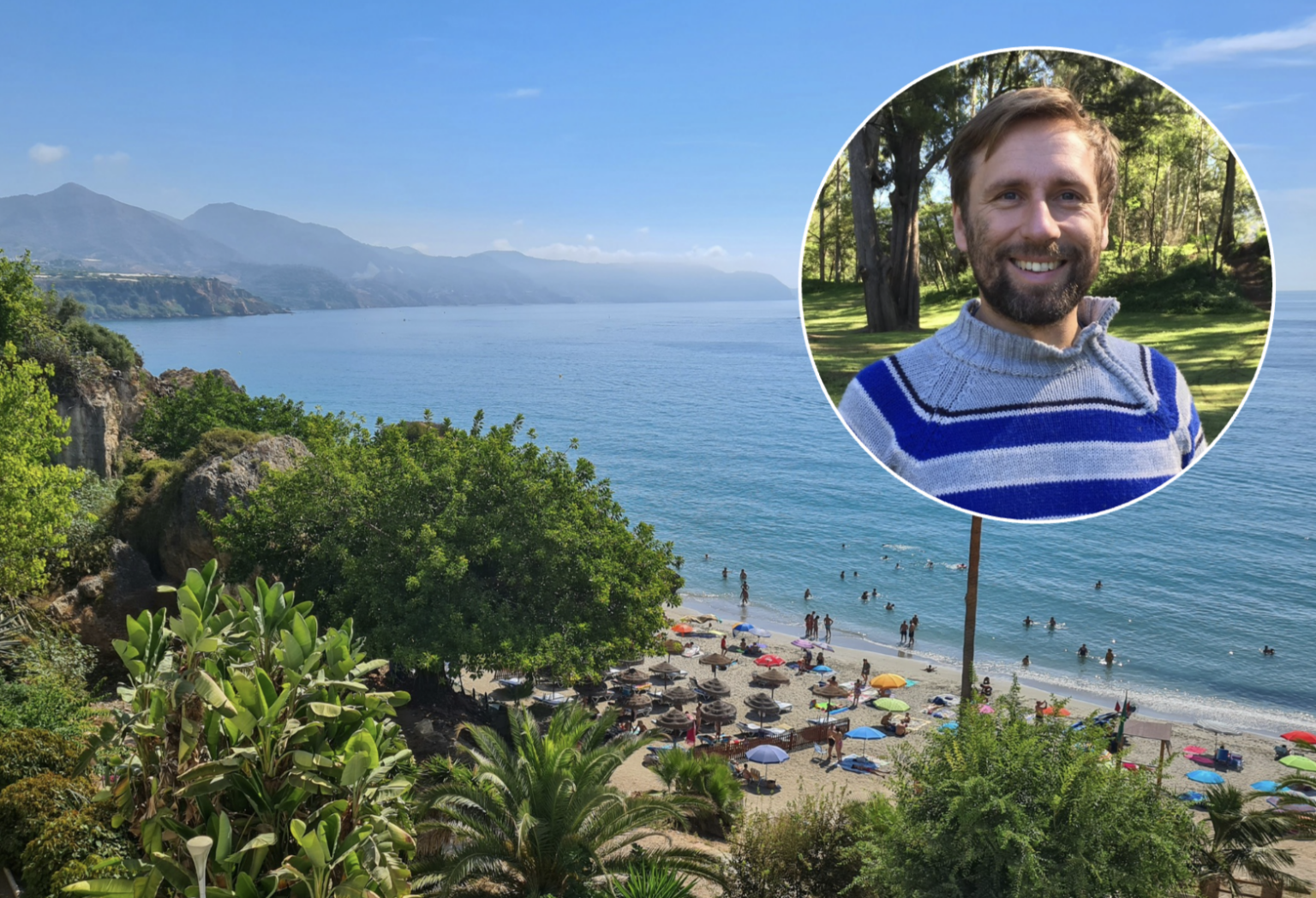

Summer holidays in Spain could become increasingly difficult to bear as the Mediterranean warms far faster than the rest of the world, a leading climate expert has warned.
Markus Donat, who leads the Climate Variability and Climate Change Group at the Barcelona Supercomputing Center, told the Spanish Eye that the region is facing a future of more intense and frequent heat extremes.
Andalucia is currently experiencing its second heatwave of the summer, with temperatures surging past 40C in many inland areas, with peaks of 37C expected along the coast on Thursday.
While Donat said he could not provide specific forecasts for Andalucia alone, his warning applies to the Mediterranean more broadly – including southern Spain, where tourism is heavily reliant on the peak summer months.
‘The Mediterranean region is warming substantially faster than the global average,’ Donat said.
According to climate simulations, every one degree of global warming is expected to intensify Mediterranean heat extremes by between 1.5C and 2C.
That means that even relatively small rises in average global temperatures could translate into far more severe summer conditions in Spain and other Mediterranean countries.
Donat warned that the trend will continue over the coming decades, even if governments succeed in cutting greenhouse gas emissions.
‘Even if humanity manages to implement effective measures to reduce greenhouse gas emissions and mitigate high levels of global warming, this will take some time to become effective,’ he said.
‘As a result, over the next 10 to 20 years the planet will continue warming; and for every degree of global warming, the Mediterranean will experience disproportionately more intense and frequent heat extremes.’

The warning raises serious questions for Spain’s tourism model, which continues to rely heavily on millions of foreign visitors arriving during July and August.
Southern Spain already sees regular summer temperatures above 40C, particularly inland, while coastal destinations such as the Costa del Sol, Costa Blanca and Balearic Islands are increasingly affected by heat alerts during peak holiday season.
Asked whether Spain could see even more extreme temperatures in the coming years, Donat said the probability of recording between 44C and 46C will rise in inland areas.
‘This will also increase the probability of registering between 44C and 46C in some regions of inland Spain,’ he said.
He said that the prospect of Spain reaching unbearable highs of 50C in the next two decades remains unlikely, but that that could change after 2050.
‘The probability of temperatures reaching 50C during the next 10 to 20 years is still very low,’ he said.
‘But it could become a more realistic possibility during the second half of the century if humanity does not sufficiently reduce carbon emissions.’
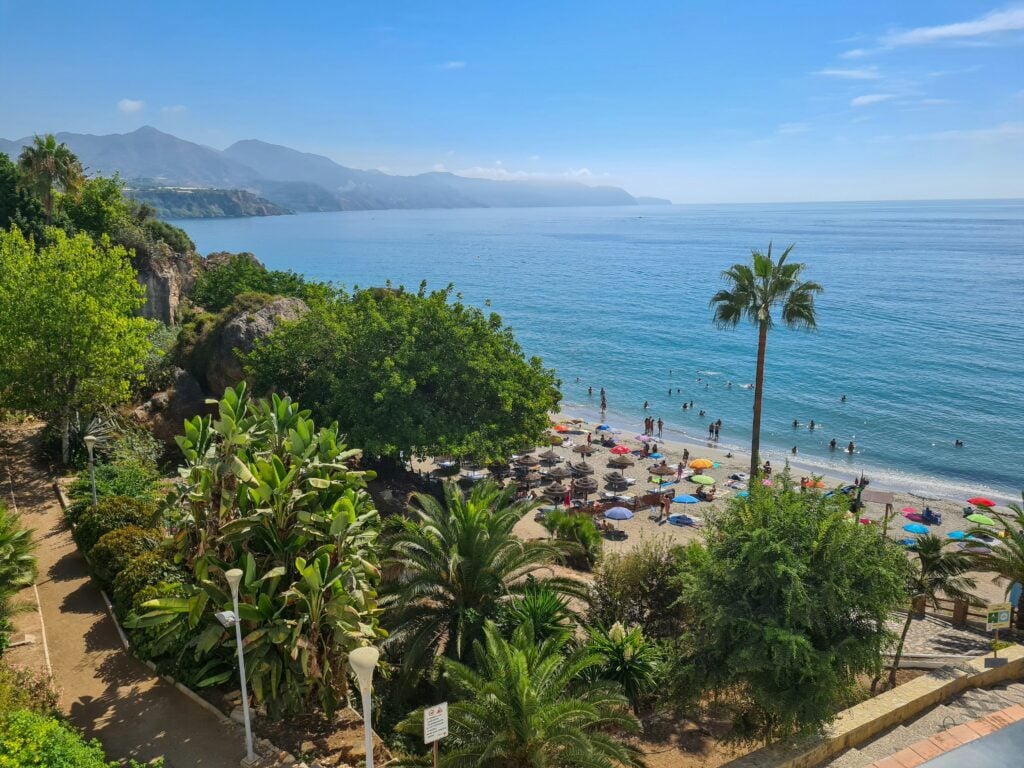
The comments come amid growing concern that climate change could reshape how tourists visit Spain, with holidaymakers potentially avoiding the hottest weeks of the year and shifting trips to spring or autumn.
For Andalucia, that could mean a longer tourism season overall – but a more challenging future for traditional high-summer beach holidays.
The question is no longer whether Spain will remain a major tourist destination, but whether July and August will continue to be its most desirable months.
The warning comes amid growing evidence that extreme heat is already changing how people travel.
National Geographic reported last month that more frequent and intense heatwaves are forcing tourists and destinations to adapt, with many travellers looking beyond the summer holiday model.
Meanwhile, The Guardian reported that Spain is trying to promote destinations beyond the classic ‘sun and sand and coast’ offering, as the country prepares for another possible record year for tourism.
A recent study on Spanish tourism demand also found that heatwaves are already affecting how international tourists choose between Spain’s sun-and-beach destinations.
It suggests the future of Spanish tourism may not be fewer visitors but a major reshaping of when and where they come.
For Andalucia, that could mean spring and autumn becoming even more important, while July and August become increasingly challenging for those unable to cope with extreme heat.
Read more Andalucia news at the Spanish Eye.