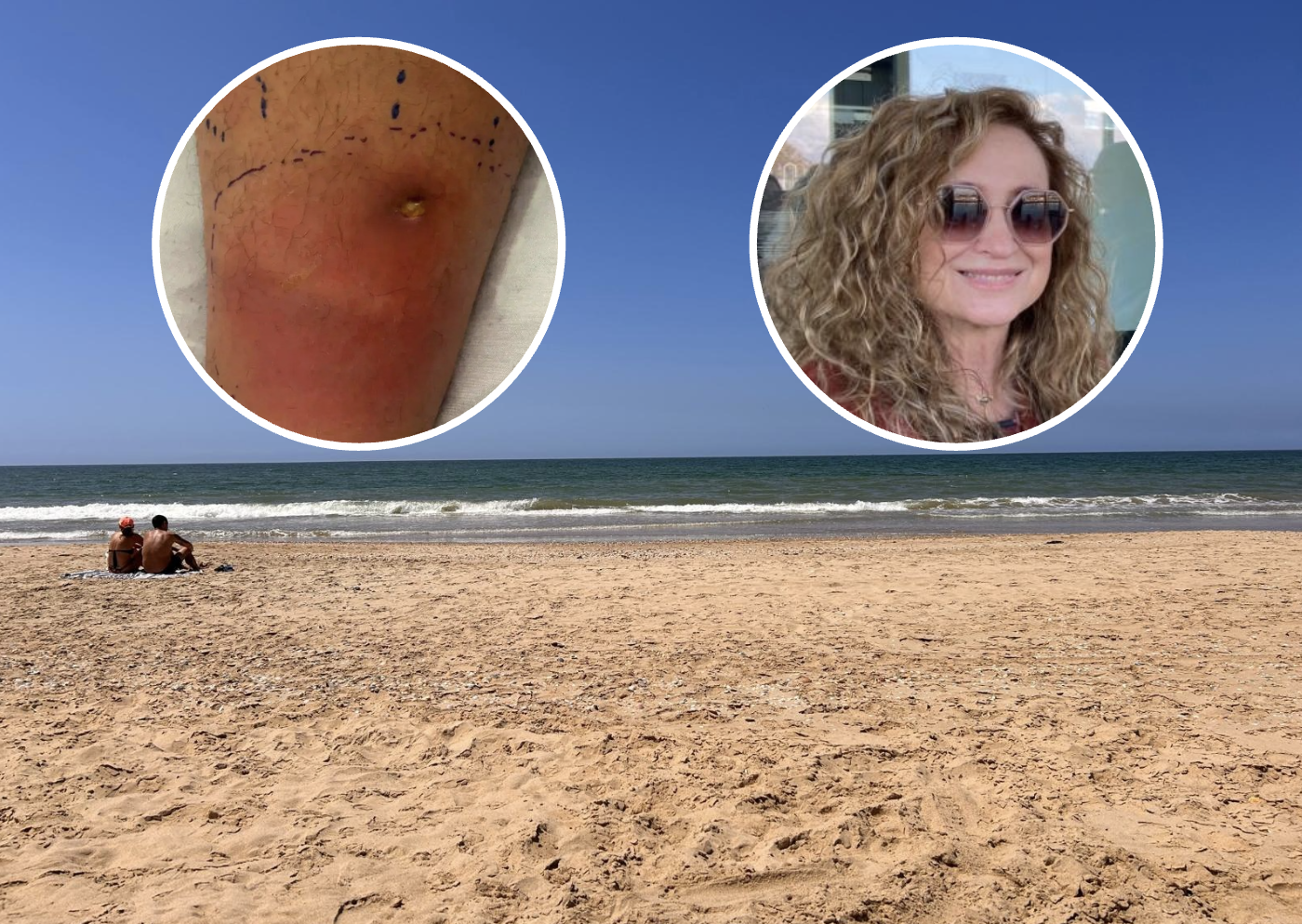

As concern grows over so-called ‘flesh-eating bacteria’ in European waters, one of the world’s leading experts on the subject has told the Spanish Eye there is no reason for healthy people to panic when swimming in the Mediterranean.
Carmen Amaro, professor of microbiology at the University of Valencia and one of the world’s foremost authorities on Vibrio vulnificus, said the bacteria is naturally present in some coastal environments but is far from widespread across Spain’s Mediterranean coastline – at least for now.
According to bibliometric rankings compiled by Scopus, Amaro is the third most-published expert in the world on Vibrio vulnificus.
Speaking exclusively to The Spanish Eye, she explained what the bacteria is, who is actually at risk, why climate change is increasing concern among scientists, and why most beachgoers have little to fear.
What is Vibrio vulnificus?
Vibrio vulnificus is a naturally occurring bacterium that lives in coastal waters, particularly where seawater mixes with freshwater.
It thrives in warm temperatures between 28C and 37C and is commonly found in brackish environments such as river mouths, coastal lagoons, marshes and estuaries. It can also be filtered and concentrated by shellfish including oysters and cockles, which act as natural reservoirs.
Humans become infected in two main ways: when an open wound comes into contact with contaminated water, or by eating raw or undercooked shellfish carrying the bacteria.
‘In healthy people, the infection is usually mild, self-limiting or may even go completely unnoticed,’ Amaro told the Spanish Eye.

‘However, if the person belongs to a high-risk group, both wound infections and intestinal infections can progress to severe disease.’
Why is it called a ‘flesh-eating’ bacteria?
The dramatic nickname comes from what can happen in a small number of serious cases.
If the bacteria enters an open wound in someone who is vulnerable, it can spread into deeper tissue, releasing toxins and triggering a powerful inflammatory response. This can cause tissue death, or necrosis, giving rise to the term ‘flesh-eating bacteria’.
In the most severe cases, the infection can spread into the bloodstream and cause sepsis, a life-threatening condition in which the body’s response to infection begins damaging its own organs.
Amaro stressed, however, that many different bacteria can cause sepsis and that Vibrio vulnificus should not be viewed as an inevitable death sentence.
‘Fortunately, Vibrio vulnificus is sensitive to most of the antibiotics used in clinical practice, so early diagnosis and prompt treatment are essential for recovery,’ she said.
Is it common in Spain’s Mediterranean?
Despite recent headlines, Amaro said people should not assume the bacteria is widespread across every Mediterranean beach.
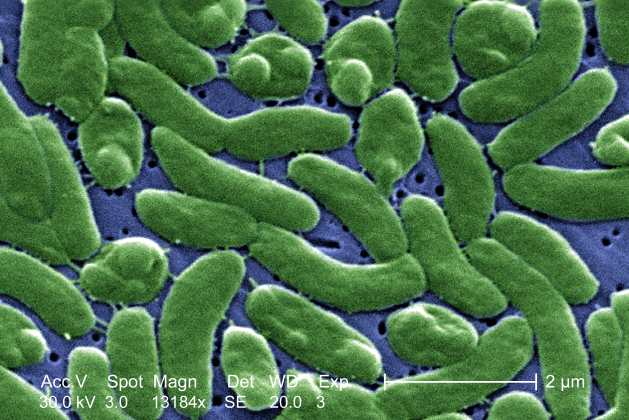
While summer sea temperatures are certainly favourable for bacterial growth, the Mediterranean is generally too salty for Vibrio vulnificus to multiply efficiently.
‘I would not describe Vibrio vulnificus as being present uniformly along Spain’s Mediterranean coastline,’ she said.
‘Its presence is more likely in specific coastal environments where warm temperatures coincide with lower salinity, such as river mouths, coastal lagoons, marshes and estuaries.’
She explained that the bacterium is therefore most likely to appear in areas where freshwater mixes with seawater rather than across the open Mediterranean.
Who is most at risk?
For the vast majority of healthy people, infection remains uncommon and usually mild.
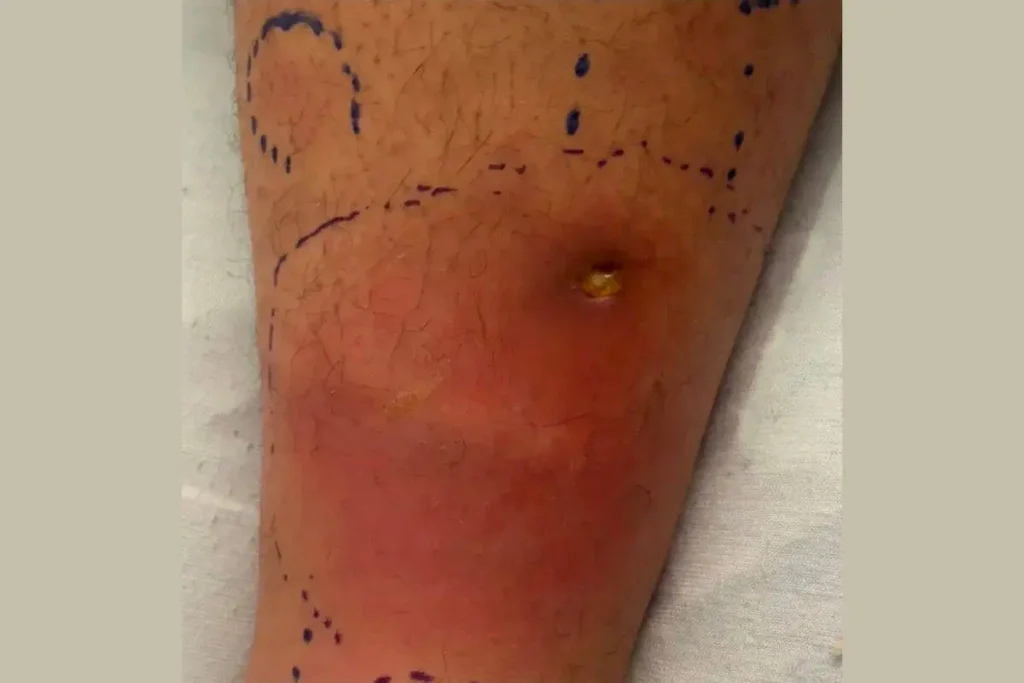
The greatest risk is faced by people with chronic liver disease, hepatitis or cirrhosis, diabetes, haemochromatosis or other iron metabolism disorders, cancer, weakened immune systems or those receiving immunosuppressive treatment. Advanced age also increases the likelihood of severe illness.
According to Amaro, these underlying conditions make it much harder for the body to stop the bacteria spreading into deeper tissue or the bloodstream.
Should you swim with an open wound?
Amaro’s advice is straightforward.
‘If someone has an open wound, it is advisable not to bathe in the sea, estuaries or brackish waters, especially during periods of high temperatures and particularly if they belong to a high-risk group,’ she said.
She added that recent surgical wounds, ulcers, deep cuts, poorly healed injuries and even fresh tattoos should all be protected carefully.
If seawater comes into contact with an open wound, the area should be washed thoroughly with clean water and soap.
If someone cuts themselves while swimming, they should leave the water immediately, clean and disinfect the wound and monitor it closely.
For healthy people with a small superficial cut, the risk is generally low, but deeper wounds or injuries sustained in brackish water deserve much greater caution.
When should you go to hospital?
Amaro said anyone in a higher-risk category should seek urgent medical attention if, after exposure to seawater or brackish water, they develop severe or rapidly worsening pain, increasing redness, swelling, heat around the wound, blood-filled blisters, skin discolouration, pus, fever, chills or a general feeling of being seriously unwell.
People should also seek immediate medical help if they become ill after eating raw or undercooked shellfish, particularly oysters or other shellfish, and develop symptoms such as fever, vomiting, diarrhoea, dizziness, confusion or severe weakness.
‘The speed at which symptoms develop is a fundamental warning sign,’ she warned.
‘If symptoms progress within a matter of hours, people should go to A&E immediately and clearly explain that they have recently been exposed to seawater, brackish water or have eaten raw shellfish.’
Is climate change making it more common?
Amaro said there is strong evidence that rising sea temperatures are helping the bacterium spread to new areas, but temperature is only part of the picture.
‘The increase in sea temperatures is influencing the seasonal spread of Vibrio vulnificus,’ she explained.
‘These are aquatic bacteria that grow best in warmer waters, meaning climate change can extend the period each year when conditions are favourable.’
She pointed to the Baltic Sea as Europe’s clearest example, where naturally low salinity combined with warmer summers has created increasingly favourable conditions for Vibrio infections.
The Mediterranean, however, is different.
Although warmer waters increase the potential for bacterial growth, the open Mediterranean generally remains too salty for widespread multiplication.
Instead, any increased risk is expected to remain concentrated around river mouths, estuaries, lagoons and other places where freshwater reduces salinity.
‘Global warming favours the expansion of Vibrio vulnificus, but temperature is not acting alone,’ Amaro said.
‘For this bacterium, the risk increases particularly when warm water coincides with moderate or low salinity and the availability of nutrients.’
For most healthy people, a swim in the Mediterranean remains perfectly safe, she insisted.
Those with serious underlying health conditions, however, should take sensible precautions by avoiding seawater if they have open wounds and by steering clear of raw or undercooked shellfish, particularly during the hottest months of the year.