
Cooler boxes turned into bombs, hitmen as young as 14 and brazen daylight assassinations.
These are just some of the hallmarks of Sweden’s fearless organised crime gangs, who are establishing an increasingly extensive presence along the Costa del Sol.
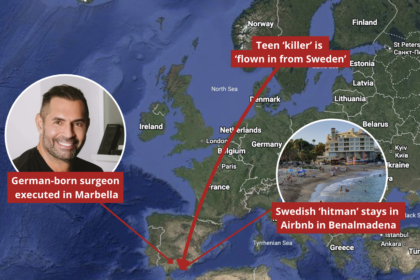
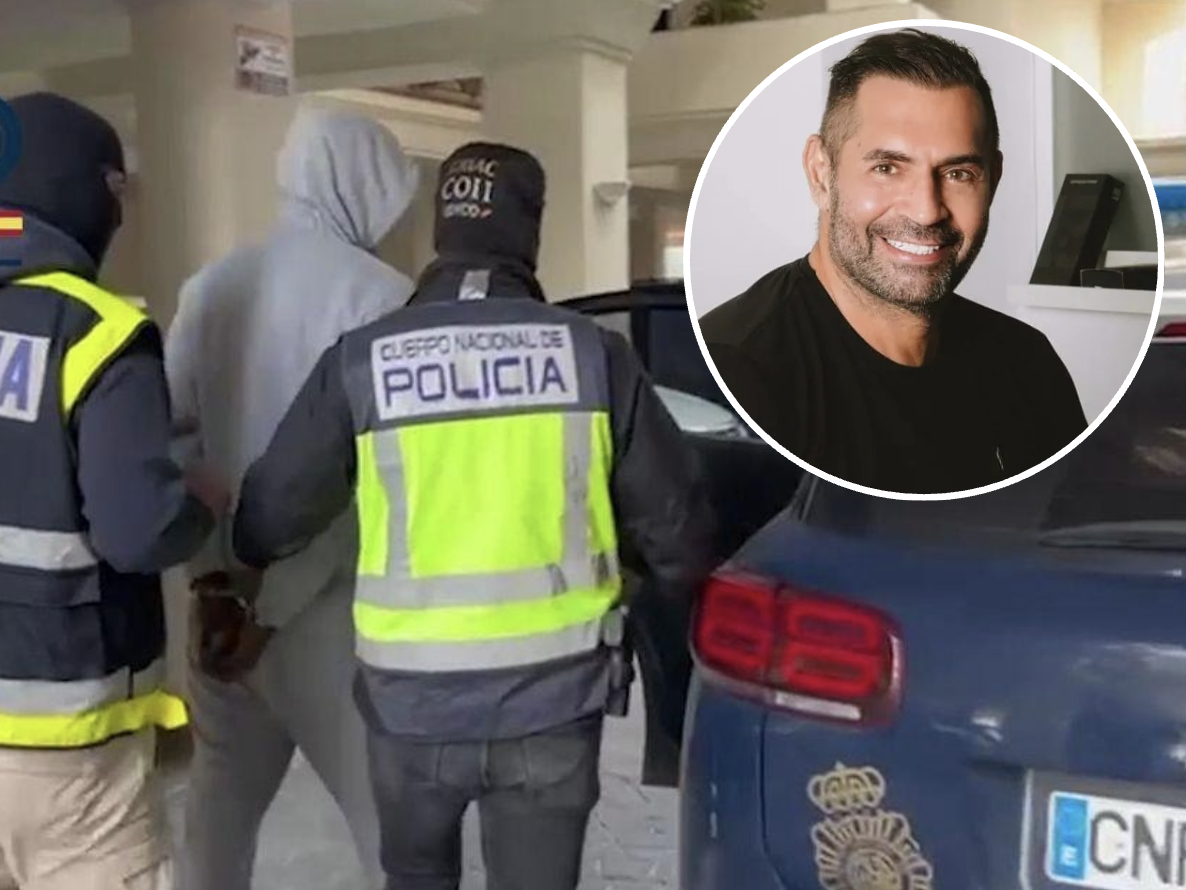
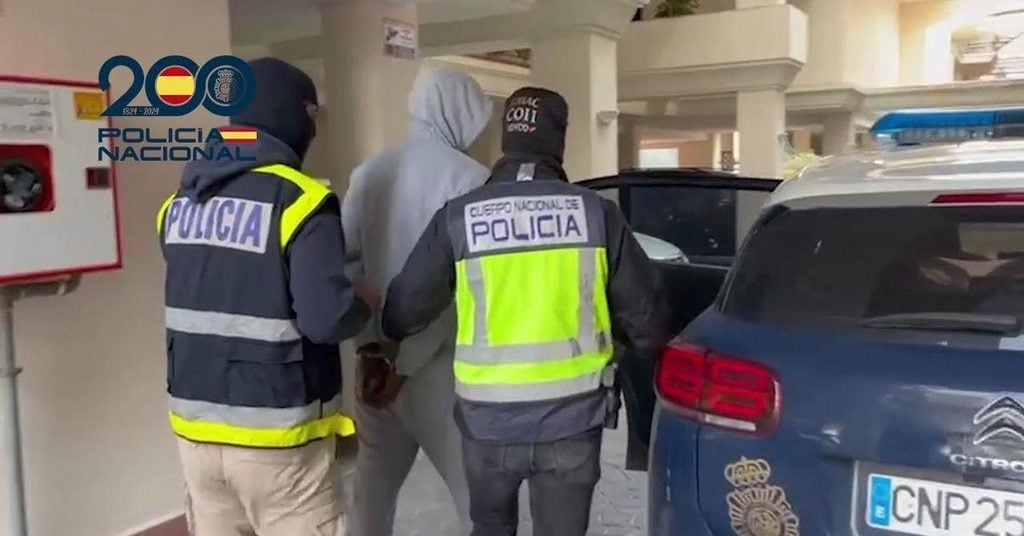
Last week, an 18-year-old Swedish national was arrested over the murder of plastic surgeon Dr Alexander Aslani, who was shot several times in the head inside his clinic and in front of his wife during business hours.
It is just the latest suspected case of a ‘baby hitman’ being flown into Spain to carry out a hit job. Spanish media reports the teen may have links to Shottaz, a criminal network originating in Stockholm.
Manne Gerell, an associate professor of criminology at Malmö University, said the criminal underworld has undergone a dramatic transformation in recent years, with teenagers increasingly recruited to carry out shootings and bomb attacks.
Speaking exclusively to The Spanish Eye, Gerell said the recruitment of young gunmen had exploded in Sweden over the past two years.
‘It used to be rare to hire a teen. They would often be in their 20s, but in the past two years the use of teenagers has exploded,’ he said.
‘It’s hard to tell you why. We’ve moved to a gig economy in general and the criminal world has followed suit.’
He also suggested that social media and encrypted messaging services had made it easier for criminal organisations to recruit young people.
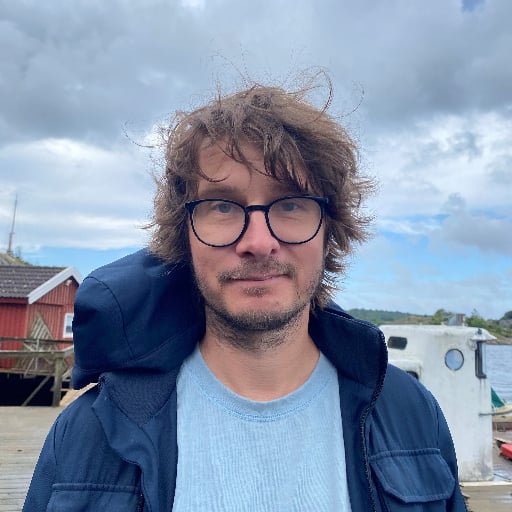
According to Gerell, more than 1,000 under-18s have been arrested in Sweden in connection with attempted, planned or completed shootings and bomb attacks over recent years, including hundreds aged under 15.
And the phenomenon is no longer confined to established gang members or teenagers growing up in deprived urban neighbourhoods.
‘We are seeing teens from small towns and even from the countryside being recruited,’ he said.
While young suspects from immigrant backgrounds remain disproportionately represented, Gerell said the profile of those being recruited was becoming more diverse.
Why Swedish gangsters are drawn to Marbella
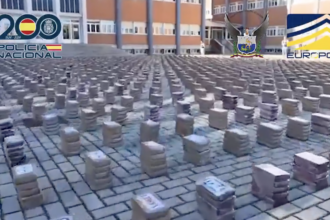
Gerell said Swedish criminal organisations have become increasingly involved in international drug trafficking over the past decade, developing their own contacts and organising shipments directly to Sweden.
‘They send people to Spain to set up drug smuggling,’ he explained.
‘Now many gangs have their own international connections and can organise their own shipments to Sweden.’
He confirmed that senior Swedish gang members live in Spain, although he said the most powerful figures often base themselves in countries such as Dubai and Morocco.

The Costa del Sol’s strategic location, established international criminal networks and large Swedish expatriate community all contribute to its appeal.
‘Gangs all over the world love the coast,’ Gerell said.
The criminologist also confirmed that rivalries between Swedish criminal organisations have spilled over into Spain, where several Swedish nationals have been killed.
However, he stressed that gang violence in Sweden is currently relatively subdued following increased police pressure and international cooperation.
‘We are in a very quiet situation, with very few attacks,’ he said.
He suggested there could even be an informal truce between some criminal networks, although there was no confirmed evidence of one.

Should Costa del Sol residents be worried?
Despite the disturbing circumstances surrounding the Marbella surgeon’s murder, Gerell said ordinary residents and tourists should not become unnecessarily alarmed by the presence of Swedish criminal organisations.
‘I don’t think people should worry,’ he said.
‘It has happened in Sweden that a bomb goes off and kills an innocent person, but you need to be really unlucky.’
He acknowledged that innocent bystanders can become victims of gang violence, but emphasised that the greatest danger generally falls on those involved with criminal networks.

‘However, if you come into contact with the criminal world, then you might be at risk,’ he warned.
The criminologist did not establish any connection between the killing of Dr Aslani and a particular Swedish criminal organisation.
Recent study into ‘criminal expats’
The scale of the Spanish connection is highlighted in a 2024 academic study examining Swedish organised crime through court cases involving encrypted communications.
Researchers Carl Ursing, Michelle Konopkas and Kim Moeller found that 36% of the cases they examined had links to criminal groups in Spain, while 21% involved a gang member temporarily or permanently stationed in the country to facilitate drug trafficking.
They also identified 34 cases in which criminal network members had relocated to Spain to perform specific roles.
The researchers described these individuals as ‘criminal expatriates’, explaining that gangs strategically position trusted members along international drug trafficking routes.
Southern Spain was particularly attractive because of its proximity to Morocco, a major source of cannabis entering European markets.
The study also highlighted the activities of Los Suecos, a Swedish criminal group reported to have operated on the Costa del Sol.
According to the researchers’ account of previous reporting, members established legitimate businesses in Spain and Sweden that served as fronts for drug trafficking, allowing shipments to be disguised as ordinary commercial transactions.
The findings reinforce Gerell’s assessment that Swedish criminal networks are no longer simply buying drugs from international suppliers but are increasingly organising their own cross-border operations.
Read more Andalucia news at the Spanish Eye.