
Teenagers recruited through social media, flown in from northern Europe and handed guns to carry out executions are becoming a disturbing feature of the Costa del Sol’s criminal underworld.
The arrest of an 18-year-old over the execution of a prominent Marbella surgeon has once again raised questions about the use of extremely young gunmen in southern Spain.
Alexander Aslani, 57, was shot several times in the head inside his Cirumed clinic in Marbella’s Real Panorama urbanisation on Wednesday evening.
Police arrested the teenager on Thursday, although the investigation remains under judicial secrecy and no motive has been officially established.
Investigators have reportedly ruled out a connection to organised crime and are examining whether the attack could be linked to a disgruntled former patient.
It is therefore not yet known whether the suspected gunman was acting on somebody else’s orders.
However, the case follows a series of confirmed murder plots involving teenagers brought to the Costa del Sol from Sweden and Belgium.
The phenomenon has already prompted warnings from investigators about a new generation of young contract killers recruited online and sent across Europe to commit murders for relatively small sums.
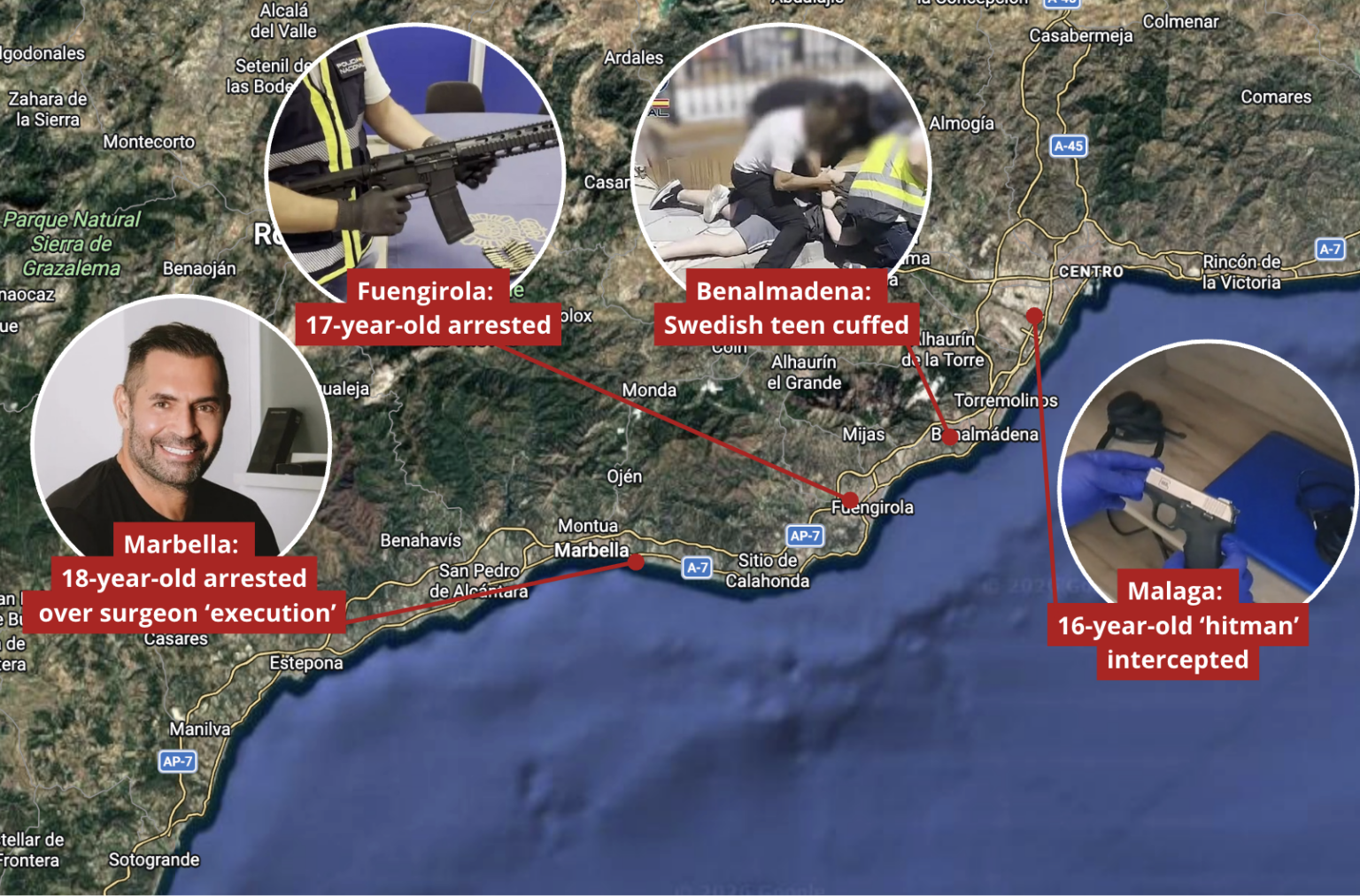
Benalmadena: Swedish minor sent to murder biker
One of the first major warnings came when police arrested a Swedish minor in Benalmadena in May 2024.
The teenager had allegedly travelled to Spain for the sole purpose of murdering a member of a rival motorcycle gang.
According to investigators, he had been recruited through an online criminal network that offered payments to young people willing to commit shootings and bomb attacks.
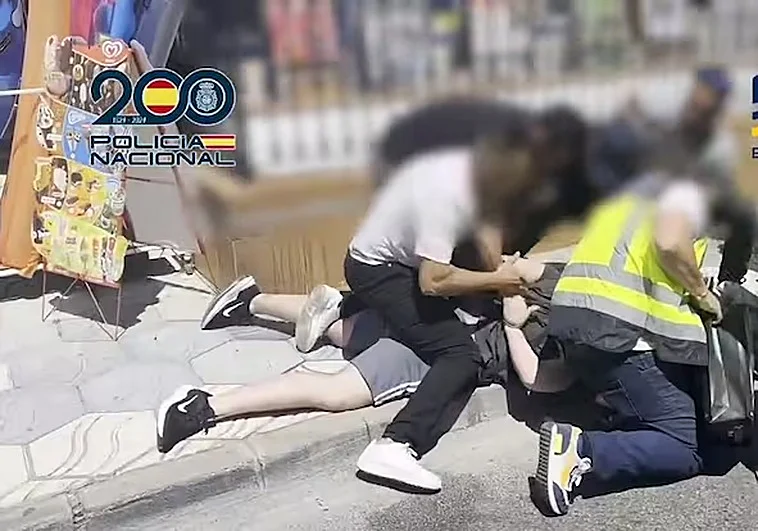
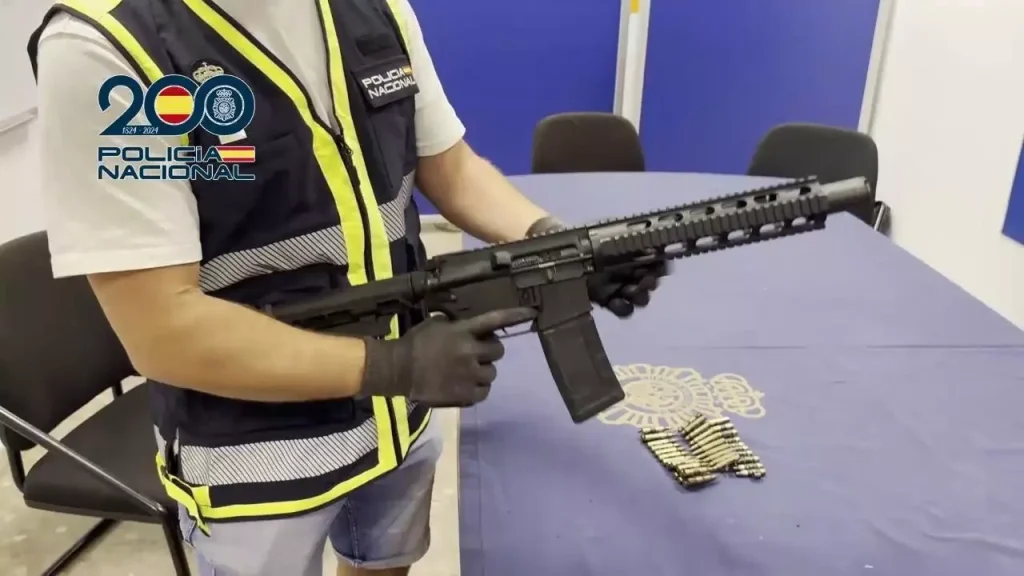
The gang allegedly planned to provide him with an assault rifle and had organised his escape using an electric scooter.
Police intervened before the intended victim could be attacked.
The arrest became the starting point for Operation Carrusel, an international investigation involving Spain, Sweden, Denmark, Europol and Eurojust.
Officers eventually dismantled a network based in Alicante that allegedly recruited Swedish and Danish children to carry out killings across Europe.
A married couple and their teenage son were among those arrested. Investigators alleged that the family helped select, hire and pay other minors to carry out murders.
The same operation led to two other Swedish minors being arrested in Denmark while allegedly preparing another assassination.
Fuengirola: Seventeen-year-old accused of fatal shooting
Months later, the threat became a deadly reality in Fuengirola.
A Dutch man was shot dead outside a cannabis club in the early hours of December 7.
The gunman reportedly fired 18 rounds from a Tokarev-style weapon before fleeing.
Police later arrested a 17-year-old Belgian suspect who investigators believe had been hired in the Netherlands and sent to Spain to carry out the killing.

The teenager was allegedly connected to the violent criminal environment commonly known as the Mocro Maffia, a loose collection of networks involving Dutch and Belgian criminals, many of Moroccan heritage.
Investigators believe the victim may have been mistaken for the intended target.
The case was described as the first known murder-for-hire in Spain in which the alleged principal gunman was a minor.
The suspect was placed in a juvenile detention centre, but the case later exposed serious problems within Spain’s justice system.
He was released after spending the maximum permitted period in pre-trial juvenile detention without his case reaching court.
The teenager then disappeared and was subsequently traced and arrested again in Belgium.
Malaga: Teenager intercepted on his way to alleged hit
Police prevented another suspected assassination in Malaga in August 2025 after arresting a 16-year-old Swedish boy and his 19-year-old alleged accomplice.
The pair had arrived in Spain just three days earlier and were allegedly being supported by members of a Swedish criminal organisation operating on the Costa del Sol.
Officers stopped them while they were travelling towards Malaga city centre on an electric scooter.
Both had allegedly concealed their faces with balaclavas and masks and were believed to be on their way to carry out a murder.
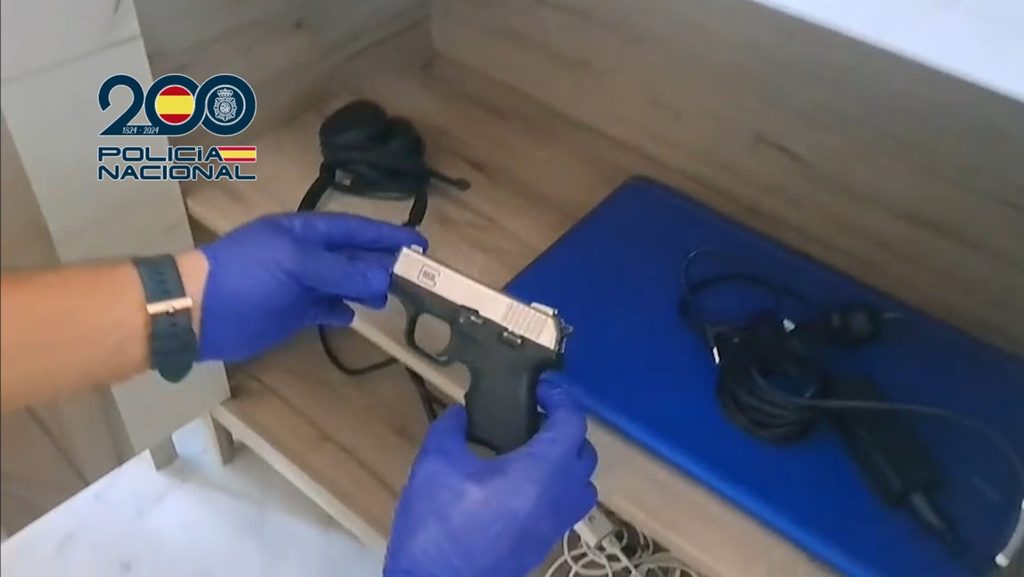
Four other people accused of providing accommodation, weapons and logistical support were also arrested.
Investigators said the organisation used social media and encrypted platforms to advertise payments for violent assignments.
The case showed that the Benalmadena arrest the previous year had not been an isolated incident. Foreign criminal groups were continuing to recruit teenagers and dispatch them to southern Spain as expendable assassins.
Marbella: 18-year-old held over surgeon’s execution
The latest case centres on the killing of Alexander Aslani at the clinic he ran with his wife near Marbella’s Golden Mile.
Witnesses reportedly saw a person dressed in black arrive on a motorbike before entering the premises at around 6pm.
Several shots were heard, and Aslani was found with multiple gunshot wounds to the head. Paramedics attempted to stabilise him but could not save his life.

Police arrested an 18-year-old the following day on suspicion of carrying out the killing.
The murder appeared to be a professional hit, but police have yet to confirm if the suspected killer was hired by a third party.
Reports that the attack may have arisen from a dispute involving a former patient have also not been confirmed.
Why criminal gangs recruit teenagers
The use of teenage gunmen has been documented extensively in Sweden, Denmark, Belgium and the Netherlands.
Children are approached through social media and encrypted messaging services, where criminal assignments can be advertised with promises of money, status and advancement within a gang.
They are cheaper to hire than experienced professional killers and can be manipulated more easily.
Some recruiters also assume that minors will attract less police attention and receive lighter sentences if they are caught.
Spain’s Costa del Sol offers an obvious destination for these assignments. Dozens of international criminal organisations have members, rivals or financial interests along the coastline.
Conflicts that begin in Stockholm, Amsterdam, Brussels or Copenhagen can consequently end with gunfire in Marbella, Fuengirola or Benalmadena.