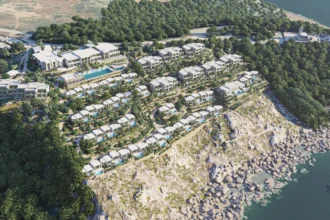
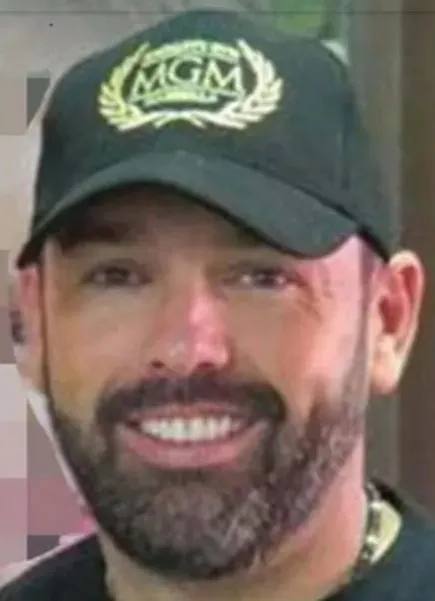
For nine months, Canada’s most wanted man lived quietly in a luxury villa in Marbella.
All Boivin, the alleged leader of Quebec’s violent North Savage Gang, barely ventured outside out of fear of being arrested or worse, assassinated.
His days of anonymity were finally brought to an end last month when he was caught while travelling towards the La Cañada shopping centre.
It was just the latest in a string of high-profile captures on the Costa del Sol, and in particular, within the so-called Golden Triangle.
The area consists of Benahavis, Estepona and Marbella and is given its nickname due to it being considered the pinnacle of the luxury property market.
But hidden beneath the surface is a murky criminal underworld that, every so often, ends up spilling into public life.
Over the past year alone, police have arrested an alleged Colombian cartel commander, a British arms trafficker, a Belgian terrorism suspect, Polish organised crime bosses and Turkish and Ukrainian fugitives wanted over fatal shootings.

Italian investigators also uncovered a hidden €200 million fortune linked to the late Sicilian mafia boss Matteo Messina Denaro through villas and businesses stretching across Marbella, Benahavis and Puerto Banus.
While tourists know the coastline for its beaches, golf courses and luxury marinas, it has also become one of Europe’s most attractive destinations for organised crime.
The Golden Triangle
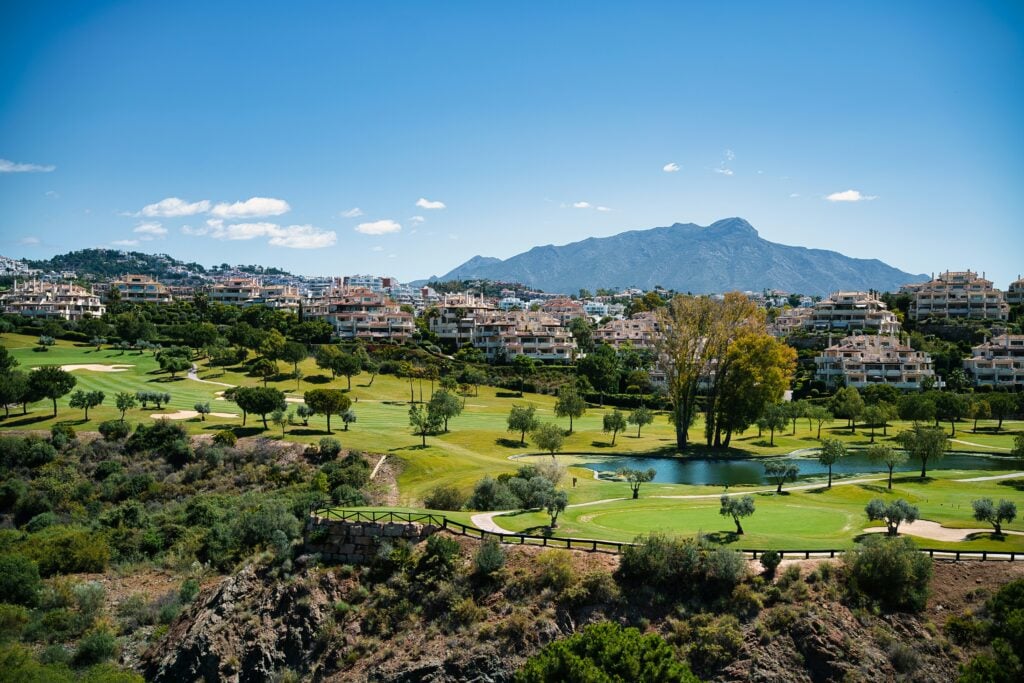
Within the Golden Triangle sit some of Spain’s wealthiest neighbourhoods: Guadalmina Baja, Nueva Andalucia, Los Flamingos, the Golden Mile, Puerto Banus and the hills of Benahavis.
They are plush with private villas behind high walls and luxury cars. Millionaires, footballers, business executives and celebrities come and go without attracting attention.
And, according to police investigations from across Europe and beyond, so do some of the world’s most wanted criminals.
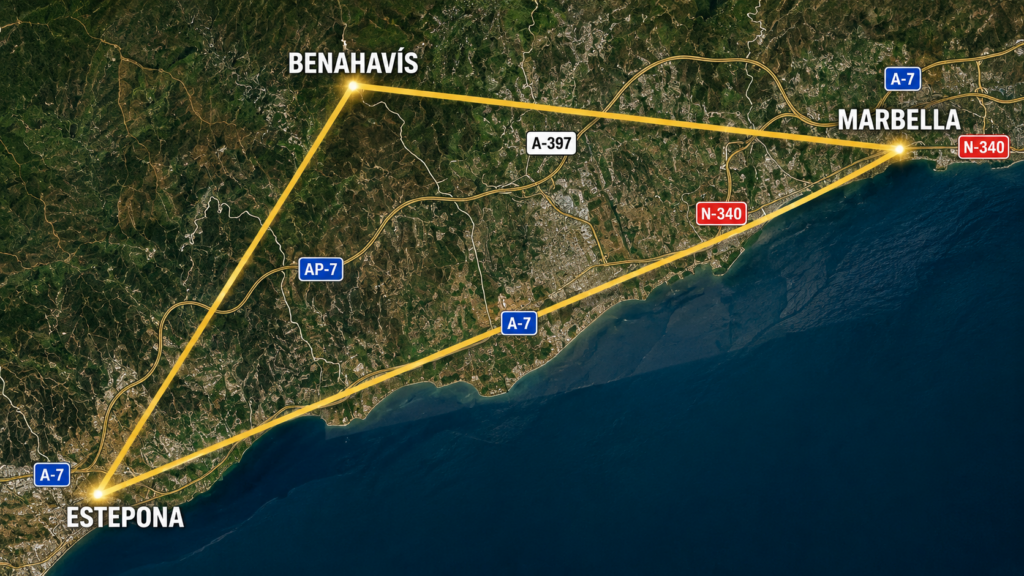
Just 40 minutes away is Malaga Airport, offering direct flights across Europe and increasingly the US and Middle East.
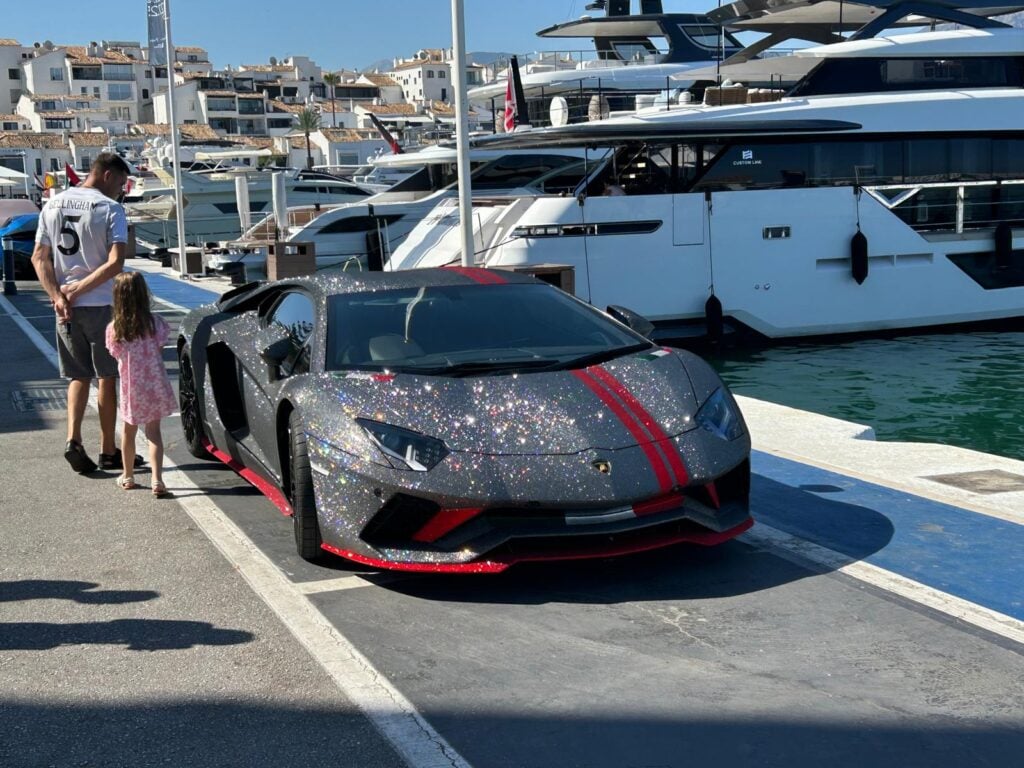
Meanwhile, Puerto Banus provides discreet moorings for superyachts, and the AP-7 motorway connects the coast within minutes.
The low-tax British territory of Gibraltar is also nearby while hashish-growing Morocco sits just across the Strait.
It didn’t happen overnight
The Costa’s reputation as a headquarters for organised crime was not built overnight, in fact the foundations were laid decades ago.
Perhaps no investigation illustrates that better than the extraordinary case of Rifaat al-Assad, the uncle of Syria’s former president.
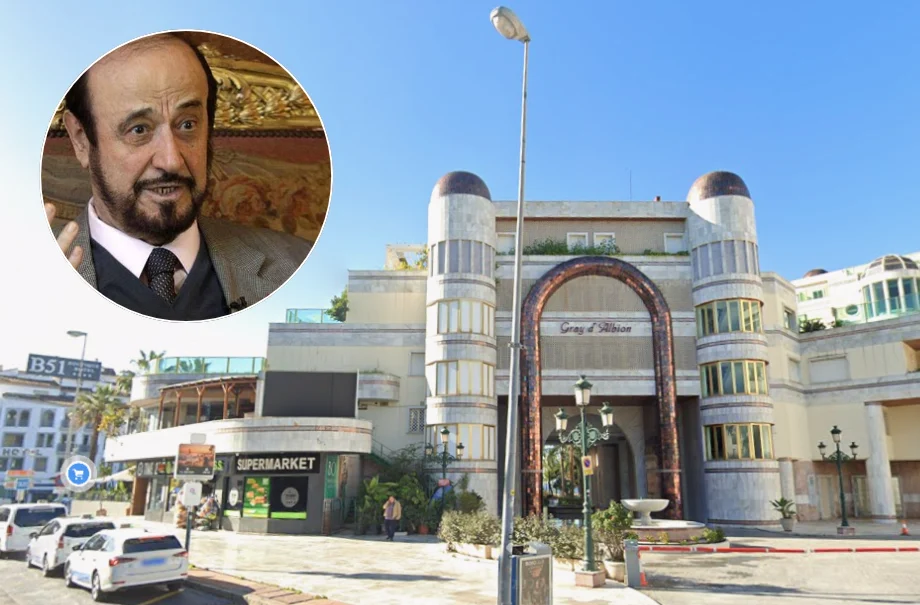
When Spain’s Guardia Civil began examining his fortune, investigators uncovered an empire unlike anything they had expected.
More than 500 properties were seized within the Golden Triangle with an estimated value of €700 million.
They included luxury apartments in Puerto Banus, commercial premises and vast estates – including a 33-million-square-metre plot in Benahavis.
One investigator involved in the case told the Spanish Eye: ‘He arrived in Spain in the 1980s when money laundering was not prosecuted; the only thing the government was concerned with then was tax evasion and ensuring that taxes were paid… In Jesus Gil’s Marbella, anything was possible.’
The source said Rifaat had a ‘network of corporate engineering set up by the most prestigious lawyers and tax specialists’ that helped him ‘move money through tax havens and trusts.’
He said a well-known law firm in Gibraltar is being investigated as part of the probe.
The UCO source told the Spanish Eye that Rifaat’s criminal liability was ‘extinguished with his death’, but his ‘civil liability was not’.
‘The trial will decide what happens to his seized assets,’ he said.
Throughout the 80s and 90s, a time when authorities focused largely on tax collection rather than the origins of wealth, fortunes from around the world quietly found their way into bricks and mortar along the coast.
The legacy of that era still shapes the Costa today.
The Kinahans changed everything
If Rifaat al-Assad represents the old world of hidden wealth, the Kinahan cartel ushered in a new one.
For years, Daniel Kinahan and his family built what investigators believe became one of Europe’s most powerful organised crime groups.
One of their Spanish bases sat in Guadalmina Baja, one of the Costa’s most exclusive beachfront neighbourhoods.
The villa itself, pictured by the Spanish Eye, tells its own story, with towering CCTV cameras, high perimeter walls and dense trees shielding the property from view.
According to the US Treasury Department, it served as one of Daniel Kinahan’s principal Spanish addresses.
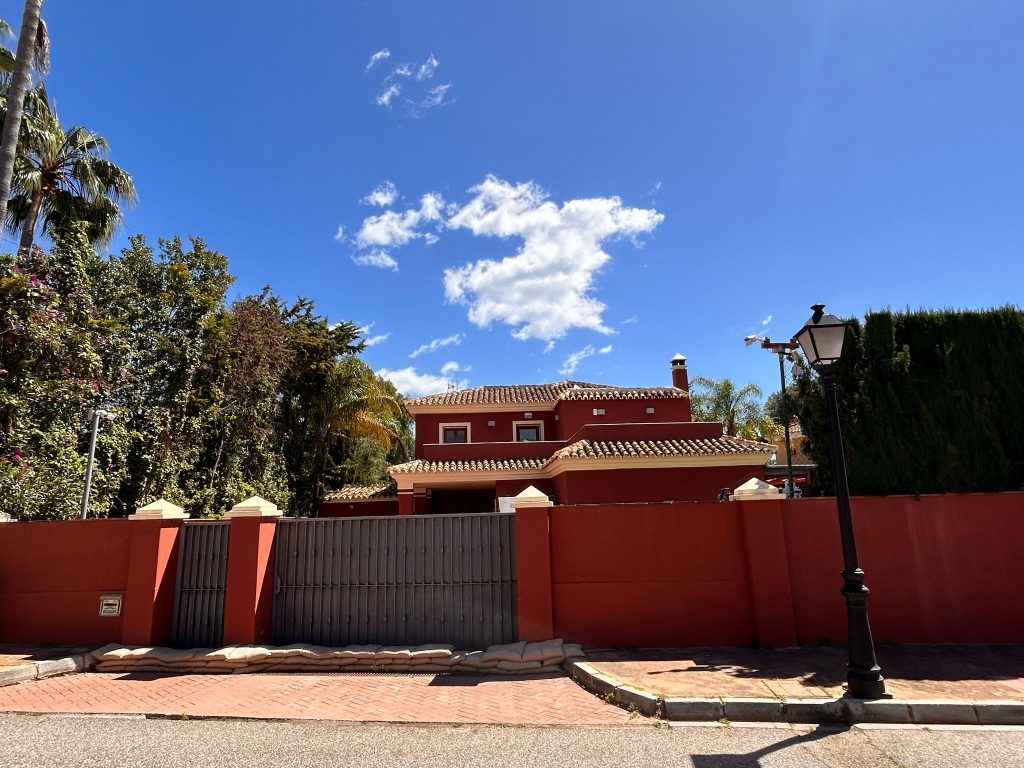
It was just one of several ‘Golden Triangle’ properties linked to the family, alongside villas in San Pedro de Alcantara and an apartment in Los Flamingos, Benahavis.
Ironically, the same features that attract wealthy families also appeal to organised crime: Privacy, security, large plots and discretion.
Property expert Sean Woolley told the Spanish Eye how Guadalmina Baja is one of Marbella’s most understated millionaire enclaves.
He said: ‘Guadalmina has always been one of Marbella’s foremost addresses, often regarded on a par with more famous neighbourhoods such as the Golden Mile and Sierra Blanca.
‘The area has an understated, low-key feel, not as brash as some other locations, so it has always attracted an older, monied crowd. The very popular commercial centre which services the resort is home to well-known, traditional restaurants such as the famous Asador, where you often spy a familiar face or two.’
While it attracts former prime ministers, football managers, entrepreneurs and wealthy overseas buyers, for years, it also attracted one of Europe’s most feared drug cartels.
Benahavis: the quiet refuge
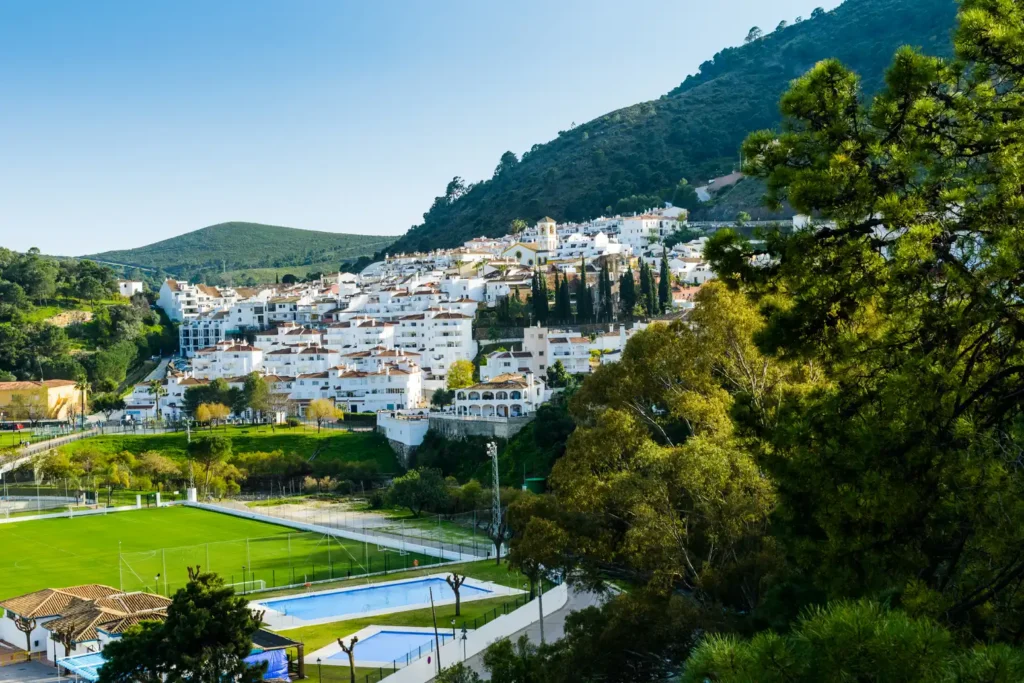
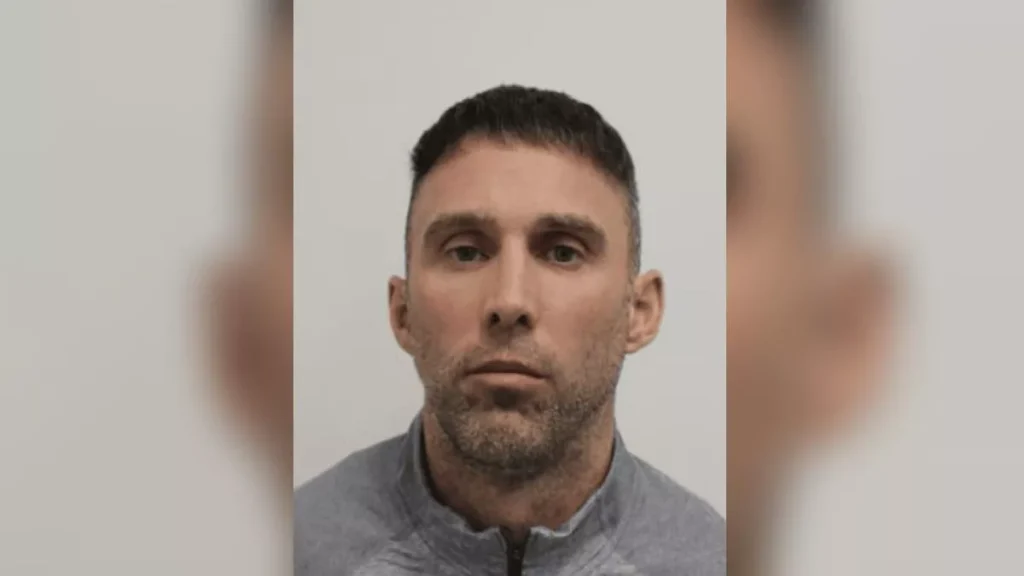
Perhaps the bigger surprise is how often one municipality keeps appearing in news reports of arrested fugitives.
Benahavis is better known for being the richest town hall in Spain and its multimillion-euro villas in La Zagaleta than police raids – but it has grabbed unwanted headlines of late.
Earlier this year, police arrested a man alleged to be a senior commander of Colombia’s feared Gulf Clan there.
According to Colombian prosecutors, he oversaw extortion operations involving armed threats, intimidation and the collection of ‘taxes’ from drug traffickers.
Spain’s National Court has since approved his extradition.
In September 2024, alleged British arms dealer Philip Waugh was detained at a luxury Benahavis villa before being extradited to Britain, where he was sentenced to more than 26 years in prison at the end of last year.
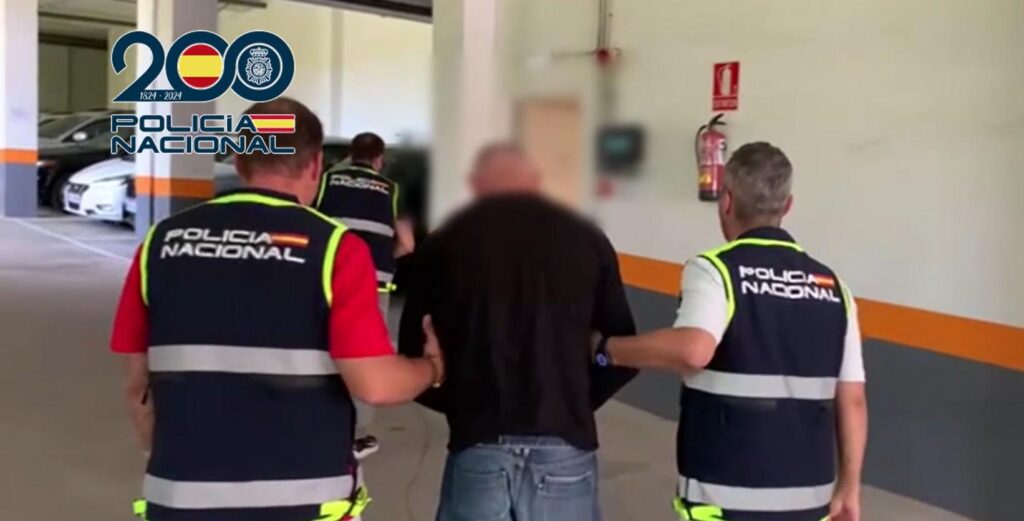
Investigators alleged he had used encrypted EncroChat communications to broker the sale of assault rifles, Uzis, Skorpion submachine guns and ammunition to organised crime groups across Europe.
Prosecutors also accused him of plotting a brutal acid attack.
More recently, Spanish and Polish officers arrested a fugitive wanted for homicide, drug trafficking and leading a violent organised crime group – having been classed as a ‘high value target’ by Europol.
Investigators allege his gang transported drugs from Spain into Poland while maintaining links to Krakow’s football hooligan underworld.
The world’s fugitives
The list continues to grow.
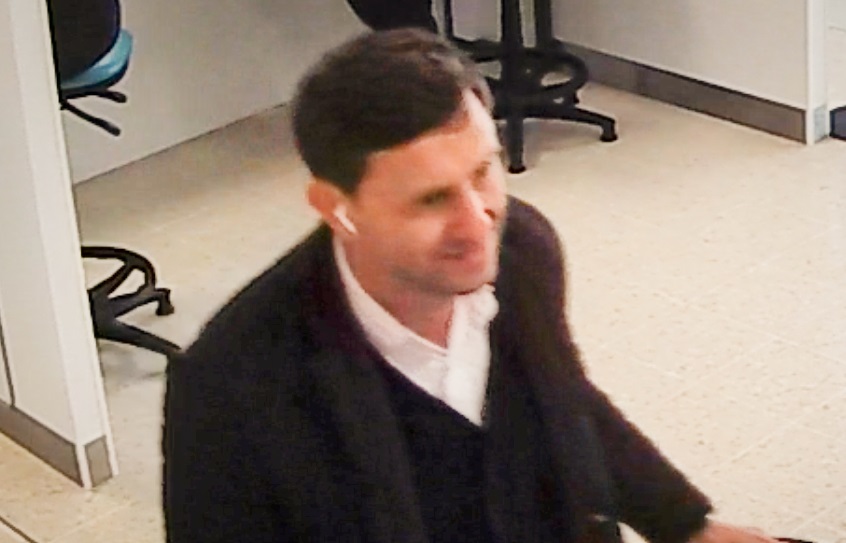
Alleged British narco Andrew Doran was extradited to the UK in October to face serious drug trafficking charges following his arrest in Marbella’s Nueva Andalucia, where he had been hiding among the expat community.
Last month, a Belgian man wanted over terrorism-related offences was arrested in Estepona after almost a year on the run.
Two internationally wanted fugitives – one Turkish, one Ukrainian – were also arrested within days of one another in Estepona and Nueva Andalucia over allegations linked to homicide and attempted murder.
Elsewhere, Italian investigators traced part of mafia boss Matteo Messina Denaro’s hidden fortune through Marbella, Benahavis and Puerto Banus.
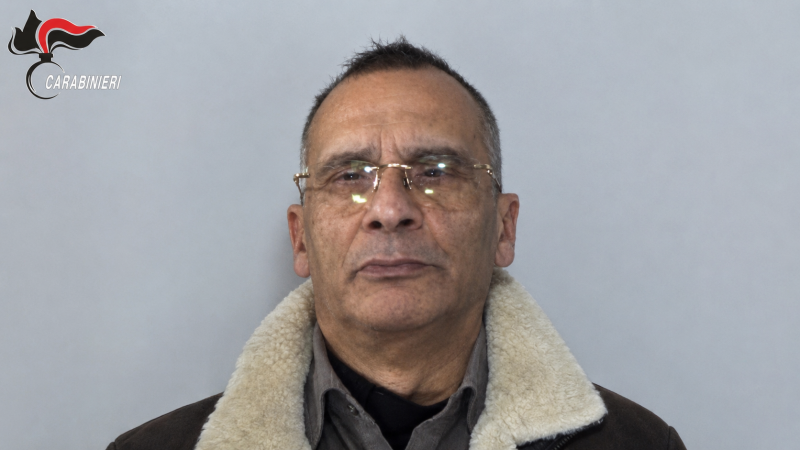
Even after the Sicilian mafia leader died, detectives continued following the money.
Their search led them to luxury villas on the Costa del Sol.
Again and again, investigators from around the world arrive in southern Spain looking for the same thing.
A sanctuary or headquarters?
There was a time when the Costa del Sol was viewed largely as a retirement destination for ageing gangsters.
But many of the suspects arrested in recent years were not accused of retiring from organised crime but of still running it.
Cocaine arrives from South America to the port of Algeciras about an hour’s drive west, while hashish and marijuana arrives via boat (and increasingly drones) from Morocco across the entire Costa del Sol – making it one of the most important entry points for drugs into Europe.
There’s no surprise, then, that more than 100 international mafias have some form of presence in the region.

But with competing clans come rivalries and disputes, and in Marbella, regular shootings.
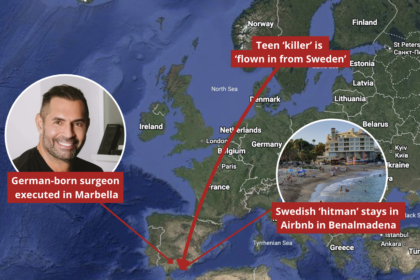
In October last year, Swedish rapper Hamko, who had alleged links to Sweden’s criminal underworld, was shot dead in Puerto Banus in an execution-style attack.
Just weeks later, panic erupted outside a Marbella bar after gunfire rang out in broad daylight, with bullets striking a parked car and a nearby bus shelter. Investigators later concluded the shooting was likely linked to an ongoing dispute between organised crime groups.
Days afterwards, another man was rushed to hospital after being shot in the knee in a separate incident elsewhere in Marbella, believed to have been a ‘warning’ from rival gangsters.
Marilo Valencia, spokeswoman for the Reformist Police Union (SRP), told the Spanish Eye that the string of shootings follows an influx of younger criminals moving to Spain’s costas, not only to run illegal networks but to enjoy the lifestyle.
The Costa del Sol is filled with international, high net-worth individuals who like to splash the cash on yachts, luxury cars and hotels – providing the perfect hiding place for wealthy criminals.
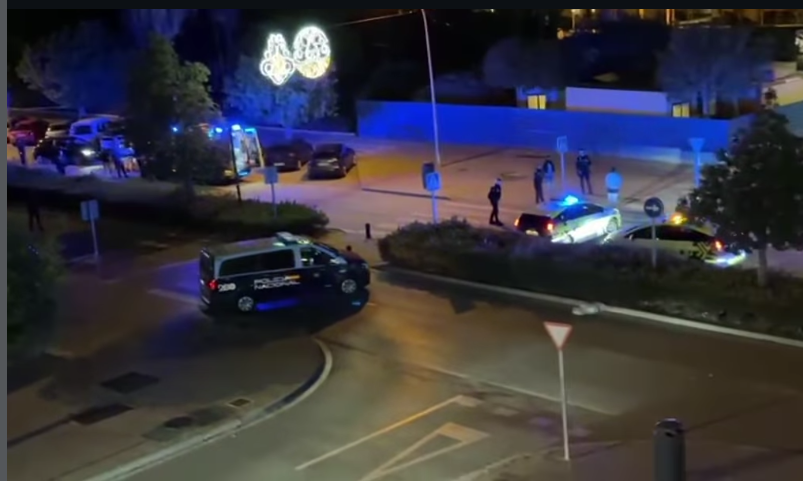
‘While some are here to work, others come to enjoy their money, drive nice cars and luxury hotels, they can blend in with the wealthy crowd,’ Valencia said.
However, she added that this can make them more vulnerable to attacks.
‘When you lower your guard or relax, that is when your enemy can take advantage and strike,’ she explained.
The Swedish mafia, she added, is just one of dozens operating along the coast, with each playing their own role in the ‘criminal ecosystem.’
‘The Swedish are known for money laundering and drug trafficking,’ she said.

‘When you’re a criminal coming to operate in Spain you will need logistics, a car that will go undetected, maybe false documents or even weapons, and you will go to the gang who specialises in those trades, and along the Costa del Sol there is a bit of everything.’
She said money is laundered into everything from property, restaurants and bars to car workshops.
The union rep said gangs often work together, unless someone crosses the line.
‘When someone is assassinated or shot it is usually because they betrayed the leader, owe someone money or it is a settling of accounts between rival groups,’ she explained, adding that hitmen – sometimes teenagers – are increasingly being flown in from abroad to take down rivals.
Valencia said she understands that tourists may be scared of catching ‘stray bullets’, with residents in Marbella often commenting that you never know who you’re sitting next to at a bar or cafe.
But she called for calm, adding: ‘Gangsters want to lay low and relax and enjoy themselves, or see family members, not attack people sitting next to them at cafes.
‘When there is violence, it is only ever targeted at other criminals.’
She said she is proud of the police’s work in tackling organised crime on the Costa del Sol, but warned that more investment is needed.
‘The salaries are too low and we need more officers and an update in our equipment and technology,’ she said. ‘Police are under constant pressure and we need to be able to keep up.’
The cost
None of this means the Costa del Sol is unsafe, as millions of tourists visit every year without incident.
Most residents will never encounter organised crime, but investigators say the consequences are often visible.
Joint operations often take place involving Europol, the FBI, the UK’s National Crime Agency, the Guardia Civil and police forces from across Europe and the Americas.
The Costa del Sol has become one of the world’s most international policing arenas because it has also become one of organised crime’s most international meeting places.
Read more Andalucia news at the Spanish Eye.