
It’s no secret that Marbella has a criminal underbelly, it’s something all of us who live here have come to accept.
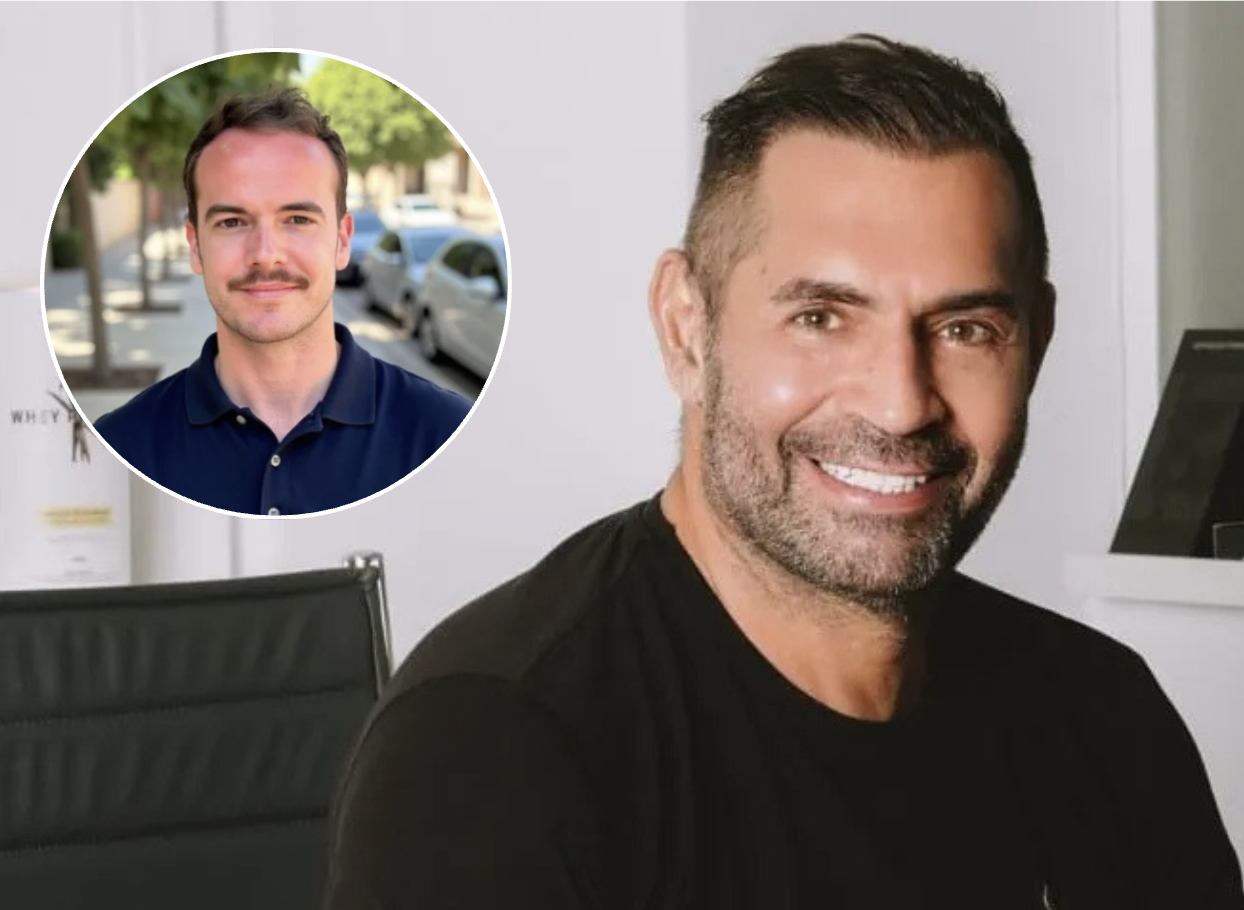
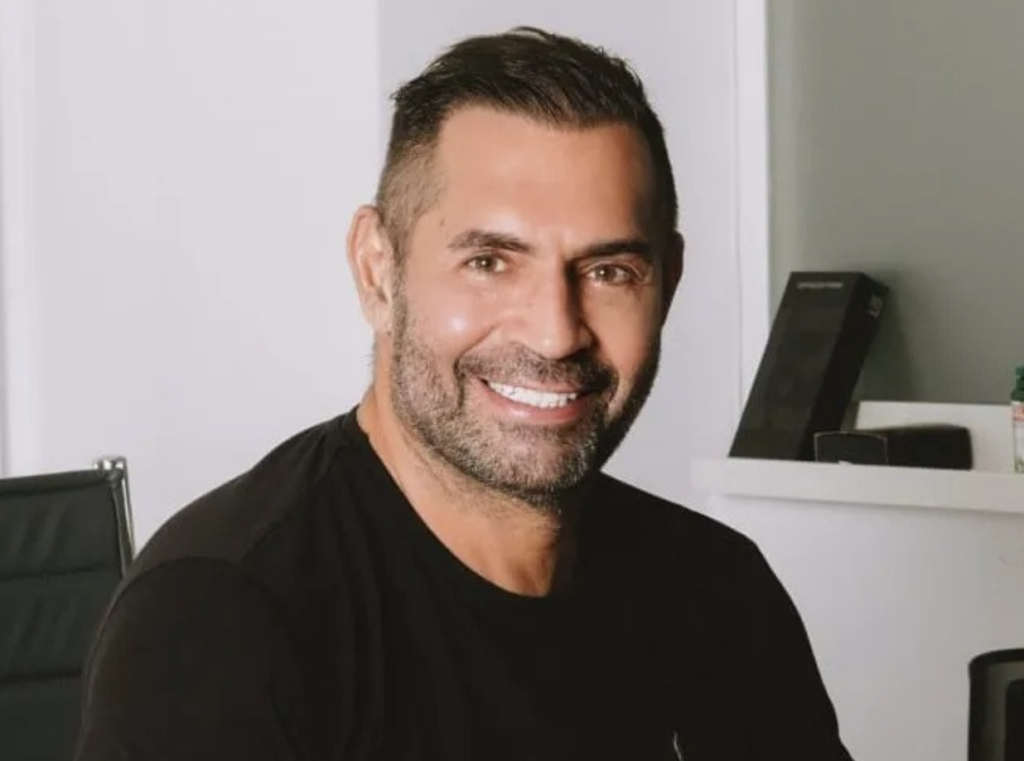
But the savage execution of Dr Alexander Aslani inside his clinic this week feels like a game-changer.
For reasons yet unknown, the decorated plastic surgeon, 57, was shot several times in the head by two assailants who fled the scene on a motorbike in broad daylight.
It’s just the latest shooting incident to hit Marbella and the western Costa del Sol over the past couple of months, and residents are starting to feel unsafe.
We’ve seen an innocent 20-year-old shot to death ‘by mistake’ in Malaga city and a street vendor assassinated in the middle of the street in Marbella.
Just last week, a gunman fired shots out of a moving car while driving from Estepona to Marbella, and police helicopters increasingly scour buildings from the skies above.
What’s becoming clear is that we are facing a new generation of TikTok gangsters who don’t play by the same rules as the mafiosos of yesteryear.
When my family first bought a property here 30 years ago, Irish organised crime was in control of much of the coast.
While there were one or two high profile incidents and even assassinations, things were far more hidden and under control.
There seemed to be more of a code between rivals, and an understanding that attracting too much attention could be bad for business.
Today, we have teenagers being flown in from Belgium to carry out murders for a few thousand euros.
They arrive with little knowledge of the area, no attachment to the communities they are terrorising and, in some cases, seemingly no concern about who gets caught in the crossfire.
The murder of Nacho in Malaga showed us where that can lead. He had no links to organised crime but was reportedly mistaken for somebody else and paid for that error with his life.
This is no longer something that can be dismissed with the familiar reassurance that criminals are merely killing other criminals.
When shots are being fired beside hotels, inside restaurants, on motorways and now in a working medical clinic, the danger inevitably spills into the lives of ordinary people.
That does not mean Marbella is a war zone.
Hundreds of thousands of residents and tourists continue to live, work and holiday here without encountering any violence whatsoever.
But repeating that fact after every shooting is beginning to sound less like reassurance and more like an excuse for complacency.
The Government points to its Plan Costa del Sol and the additional officers, canine teams, helicopters and specialist units deployed across Malaga province.
Those resources are welcome and the police deserve enormous credit for the speed with which they have solved many previous cases.
But occasional checkpoints and patrols will not be enough against wealthy, mobile and increasingly reckless criminal organisations operating across multiple countries.
Investigators need permanent staffing, better intelligence-sharing and the technology required to follow the money, weapons and encrypted communications behind these attacks.
Prosecutors and courts handling organised-crime cases also need sufficient resources to prevent investigations from becoming overwhelmed by their scale and complexity.
Marbella’s international character and luxury economy are among its greatest strengths, but they also offer criminals anonymity and the perfect environment in which to spend and launder illicit wealth.
Nobody wants alarmist headlines to damage the city’s reputation. But the greater danger is allowing that reputation to become more important than confronting what is happening in front of us.
Marbella remains an extraordinary place to live, and that is precisely why those responsible for protecting it must act decisively.
The gangs have grown too comfortable and their young gunmen too brazen, and the violence is moving too close to innocent people.
It is time to give investigators everything they need to take out the trash.