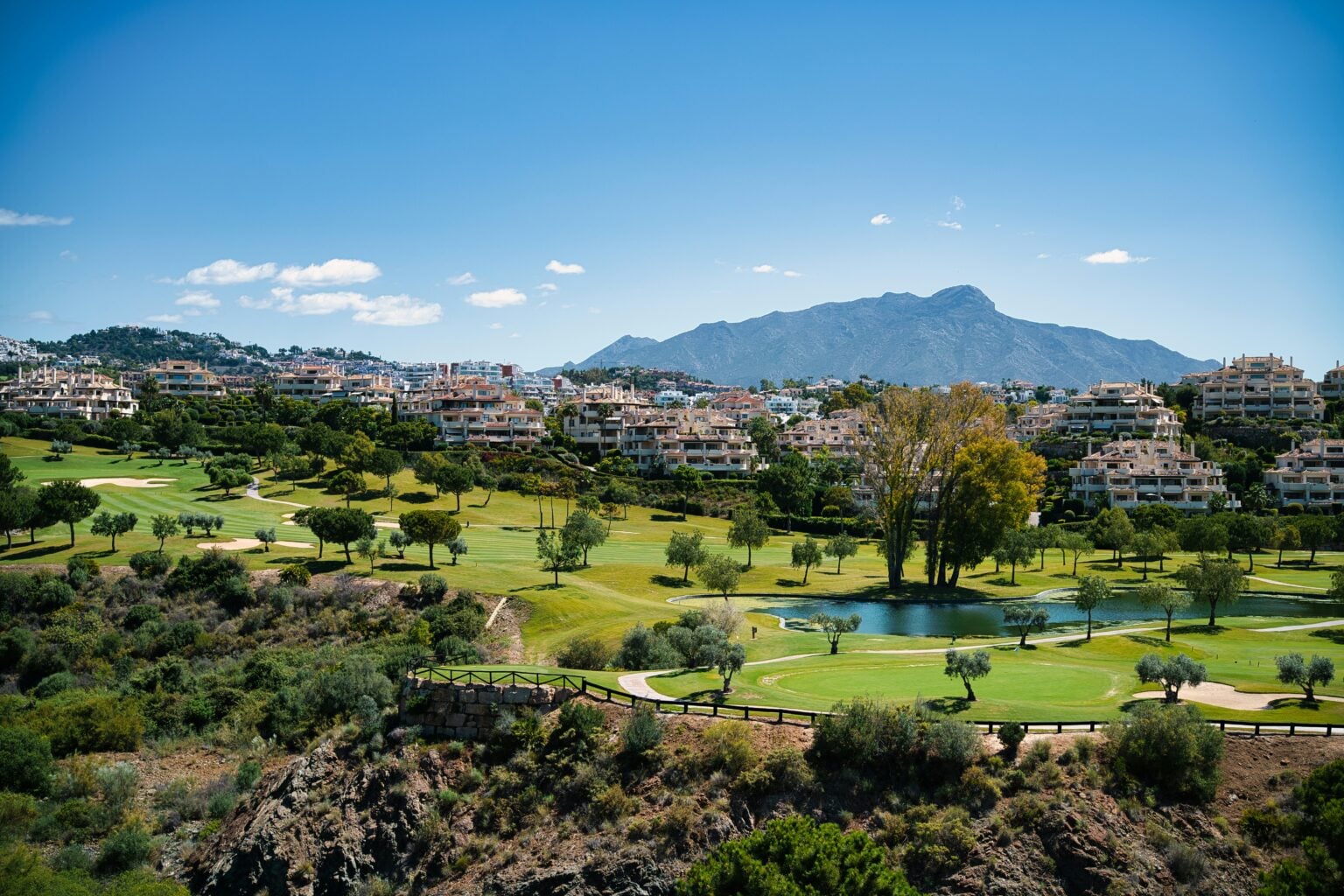

Buying a holiday home in Spain is a goal for many, but property experts are warning that overlooking a few key details could leave expensive surprises once you get the keys.
With summer traditionally marking the busiest period for second-home purchases, the Official College of Building Surveyors and Technical Architects of Madrid has highlighted the five most common mistakes buyers make when purchasing a holiday property.
While the advice is aimed at summer homebuyers, the experts say it applies to anyone buying property in Spain.
Don’t judge a property by its looks
Falling in love with sea views or a spacious terrace is easy, but experts say buyers should never skip a professional inspection.
Structural issues, roof defects, damp and outdated installations are often hidden from view and can lead to costly repairs.
A qualified building surveyor can identify potential problems before contracts are signed and even help buyers negotiate a lower purchase price.
That small damp patch could be hiding a major problem
Properties near the coast face constant exposure to salt air, which accelerates corrosion of metal structures, windows and exterior finishes.
Meanwhile, mountain homes are particularly vulnerable to leaks, roof problems and moisture infiltration.
Experts warn that what appears to be a harmless stain on a wall could actually indicate serious waterproofing or structural defects.
Check the electrics and plumbing before you buy
Old electrical systems, ageing plumbing or poorly designed air conditioning can significantly increase renovation costs.
Inspecting these systems before completing a purchase can save thousands of euros and provide a clearer picture of the true cost of making the property move-in ready.
Don’t ignore the building itself
If you’re buying an apartment, the condition of the communal areas is just as important as the flat itself.
Experts recommend checking whether the building has outstanding maintenance bills, major repair projects or failed technical inspections before signing.
Reviewing community meeting minutes can reveal expensive works that future owners may be required to contribute towards.
An empty home still needs looking after
Many holiday homes sit empty for months at a time, creating ideal conditions for damp, pests and general deterioration.
Owners should factor in ongoing maintenance costs, including checking roofs and gutters, cleaning drains, servicing locks and periodically ventilating the property.
According to the experts, maintaining a holiday home is essential for protecting its long-term value.
They stress that understanding these ongoing costs before buying should form part of any investment decision, particularly for those purchasing a second home on Spain’s coast.