
It’s one of the last remaining resorts in Spain where you can still get €1 pints – but that could soon be about to change.
This week, I was sent to Puerto del Carmen in Lanzarote on behalf of the Daily Mail, to investigate anti-tourism sentiment and the island’s preparedness for this summer, amongst other things.
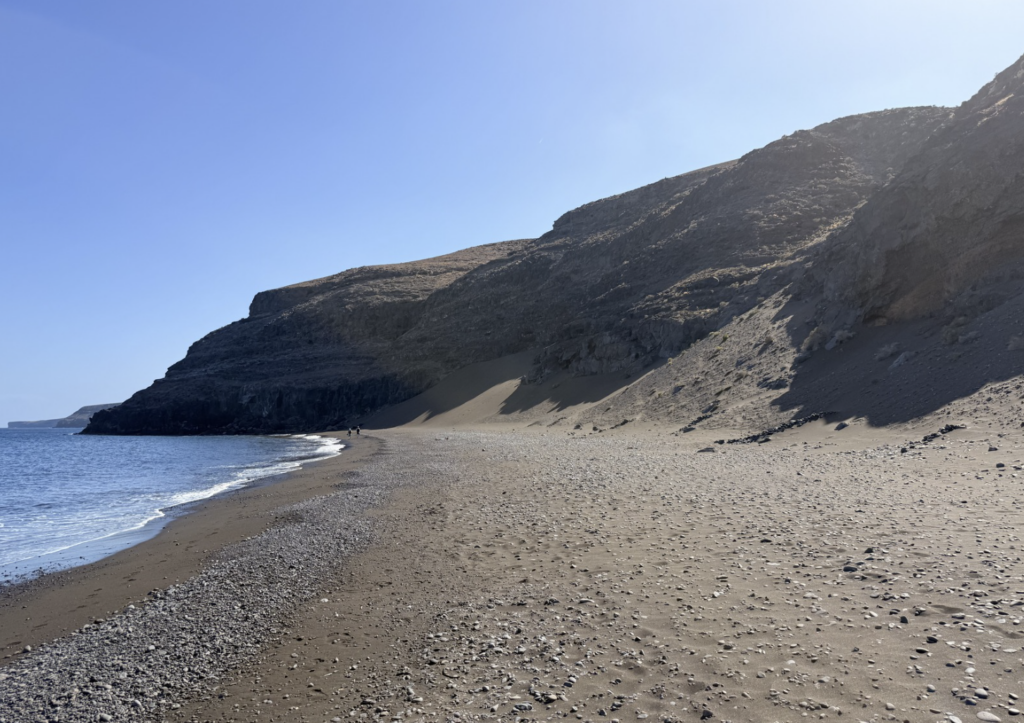
The first thing that strikes you about this island is its beauty. The volcanic landscape is otherworldly and its sweeping beaches are world class.
On natural splendour alone, Lanzarote has everything it needs to compete with some of Europe’s most exclusive holiday hotspots.
But after spending several days on the island speaking to residents, business owners and workers, it became clear that it is wrestling with its identity.
For decades, Lanzarote has built its success on affordable holidays for mostly British and German tourists.
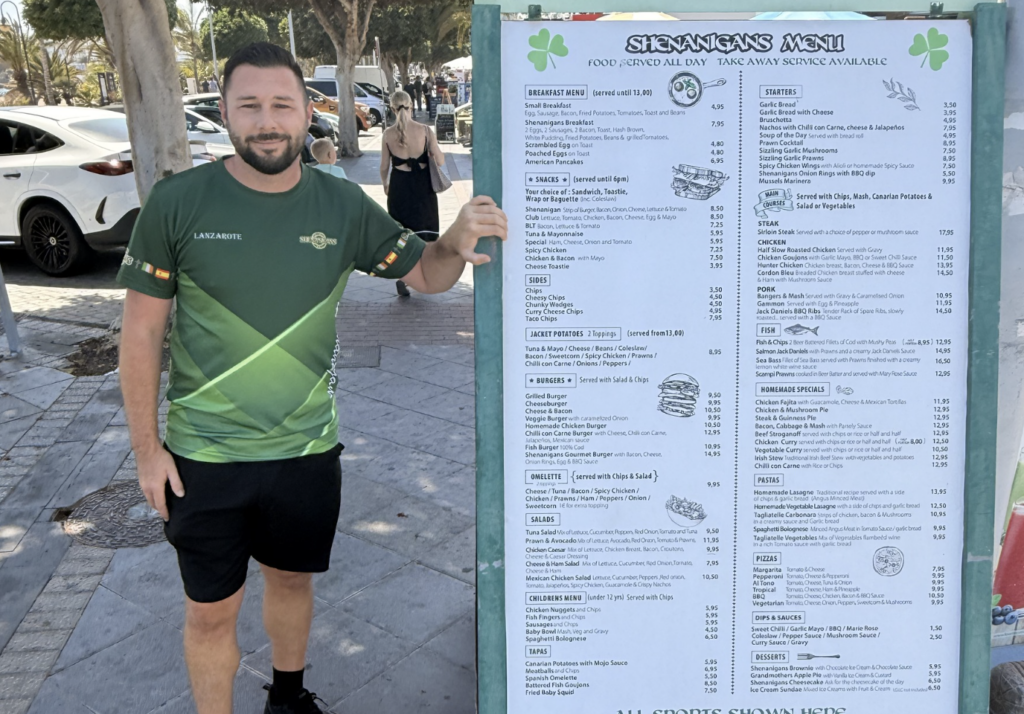
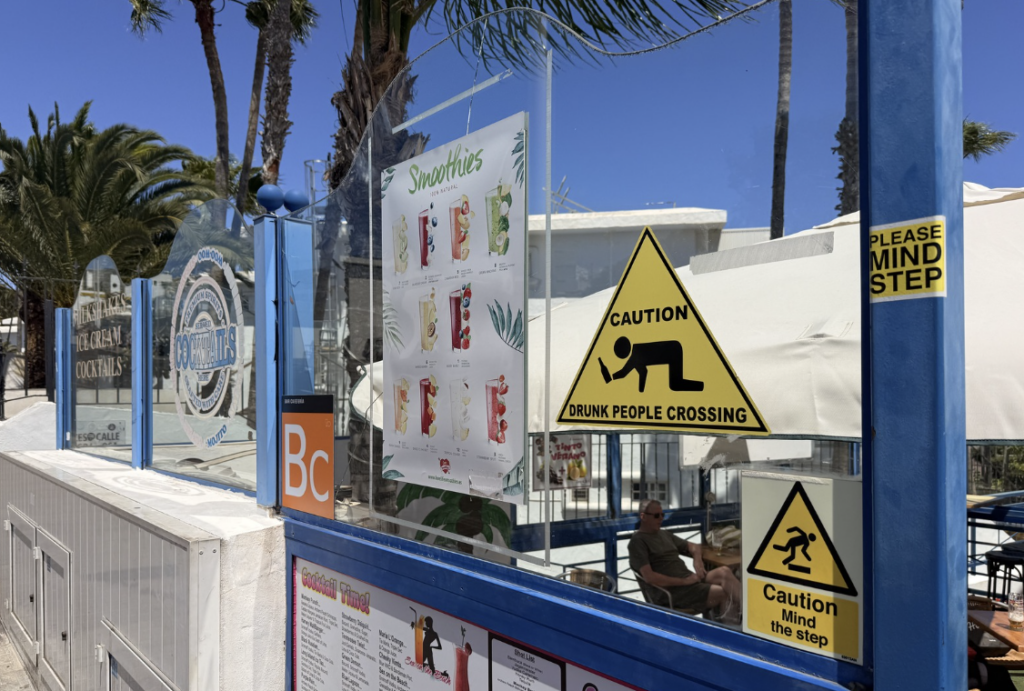
Walk around Puerto del Carmen and the formula remains largely unchanged: English breakfasts, cheap pints, karaoke bars and duty-free shopping.
Yet increasingly, the island’s politicians and tourism authorities are talking about a different future.
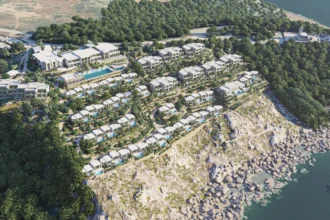
Their goal is not necessarily more visitors, but wealthier ones.
Officials told me they want to attract ‘higher quality’ tourism, focusing on greater spending and less pressure on local infrastructure. The idea is simple enough: fewer tourists, more money, less strain.
But local business owners and British expats I spoke to were deeply sceptical that Lanzarote can simply reinvent itself as a luxury destination.
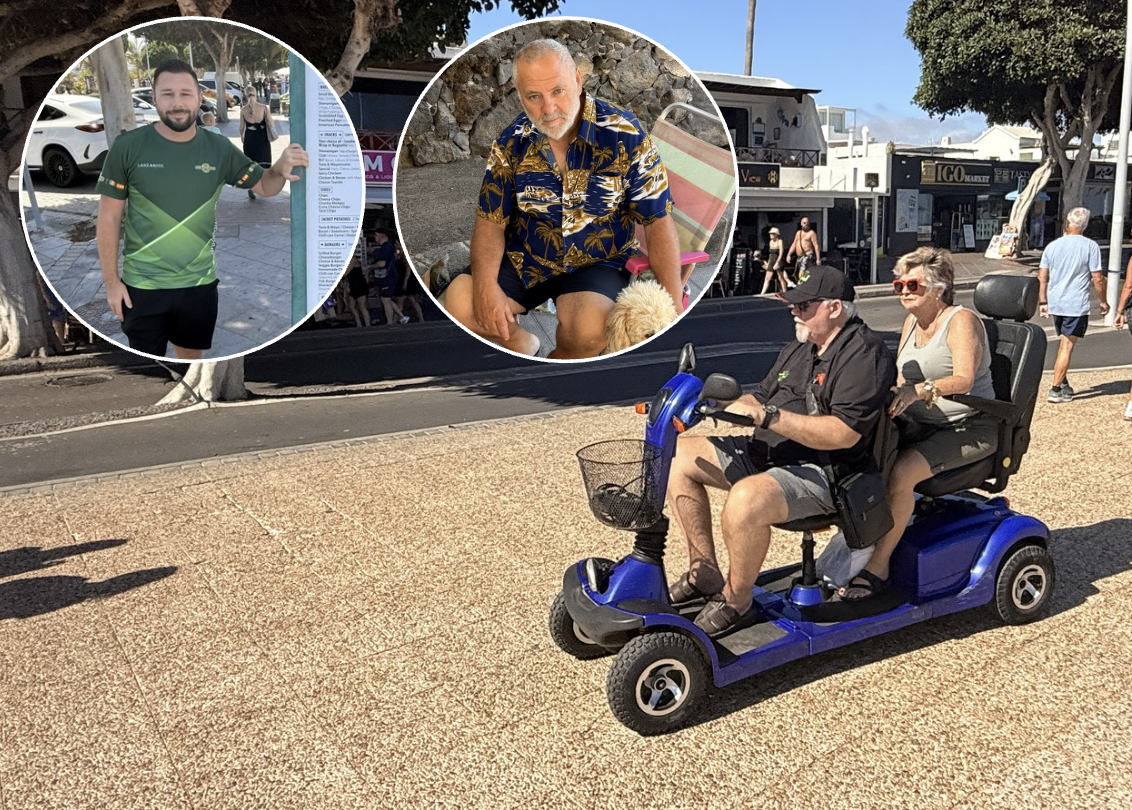
‘Lanzarote has always worked well for full English breakfasts and cheap pints,’ bar owner Luke Mousley told me. ‘That’s our DNA.’
Mike Allsop, 62, from Smethwick, who has lived on the island for 27 years, said the move is ‘offensive’.
‘They might as well say they don’t want the bargain basement lot coming over,’ he said.
‘But they make the island what it is, they save up for a year to bring the whole family and are willing to spend at the go kart tracks, the water parks etc.’

Indeed, whether officials like it or not, bargain-hunting British tourists remain the backbone of the local economy.
Many visitors are still drawn by the fact they can enjoy year-round sunshine without paying the prices found in destinations such as Mallorca, Ibiza or parts of mainland Spain.
While Lanzarote wants to move upmarket, decades of success have been built on being accessible and affordable.
Changing that reputation will not happen overnight – evident from the latest figures, which show four and five star resorts on the island have been forced to maintain or lower their prices over the past six months due to a lack of bookings.
At the same time, it is impossible to ignore the pressures that have emerged alongside tourism’s success.
Almost every local I spoke to raised housing.

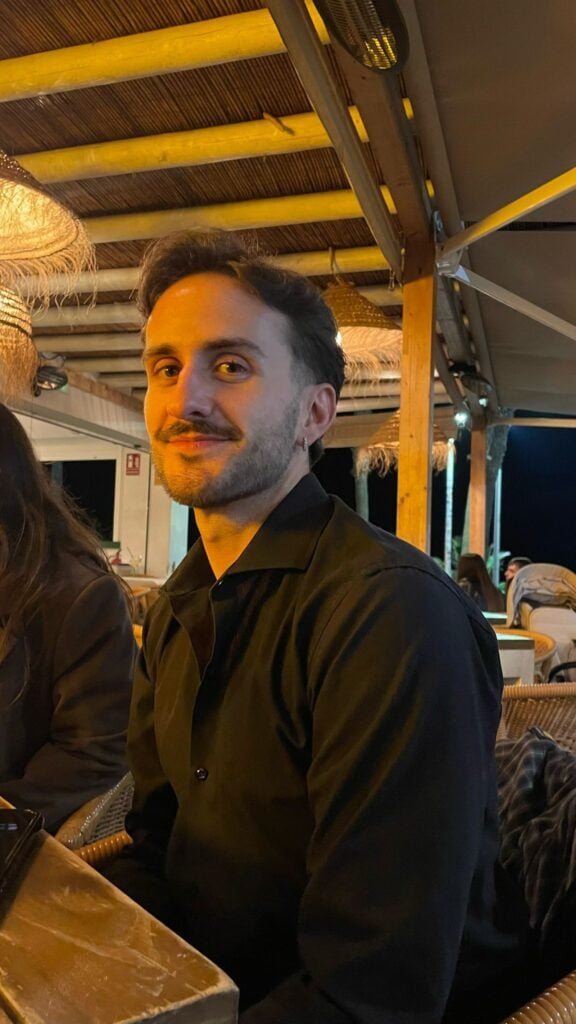
Guillermo Lopez, 27, returned to Lanzarote after a decade living in Madrid and now works for a car rental company in Puerto del Carmen.
He earns around €1,500 a month after tax. Half of that, €750, goes on rent for a shared two-bedroom flat in Arrecife, around 20 minutes away from where he works.
Even then, he considers himself fortunate.
‘I am lucky because my landlord is a friend of my mother’s and he is giving us a great discount,’ he told me.
‘Usually it would cost a minimum of €1,200. But even the discounted rate is crazy.
‘If I wanted the same near where I work in Puerto del Carmen it would be €1,500 minimum. I would literally have no money left.
‘My colleagues that are around my age are either living with their parents or trying to find somewhere they can afford.’
His story was far from unique, as several residents described a rental market transformed by holiday accommodation and short-term lets.
Workers increasingly find themselves pushed away from the tourist resorts where they are employed and into the capital or further inland.
Water shortages were another recurring complaint.
Residents spoke of regular supply interruptions, while concerns about infrastructure surfaced repeatedly throughout my conversations.
Yet despite these frustrations, very few people I met blamed tourists themselves.
In fact, most went out of their way not to – including Javier Ruiz, who lives in his car with his dog.
What emerged instead was a sense of contradiction that everyone seemed to recognise.
Tourism is creating many of the island’s biggest problems while also paying many of the bills.
One shop owner, Yoana Cedres, described it as a ‘double-edged sword’. She said she and many other businesses are struggling to find employees due to there being little homes available, and when they are they are too expensive or far away.
People worry about overcrowding, rising rents and pressure on resources. At the same time, they know the island’s economy depends overwhelmingly on visitors.
Without tourism, many businesses simply would not survive.
That tension perhaps explains why Lanzarote’s anti-tourism movement feels different from some of the anger seen elsewhere in Spain.
While there is frustration, there is also an acknowledgement that no realistic alternative currently exists.
The challenge facing Lanzarote is not whether tourism should continue but how to make it work better.
The question is whether an island that has spent decades marketing itself as an affordable escape can successfully reposition itself without alienating the visitors who helped build its economy in the first place.
After a week on Lanzarote, I came away with the impression that everyone recognises the need for change.
What nobody seems certain about is what that change should look like.
For now, Lanzarote remains caught between two versions of itself: the budget-friendly British favourite it has long been, and the premium destination it increasingly wants to become.