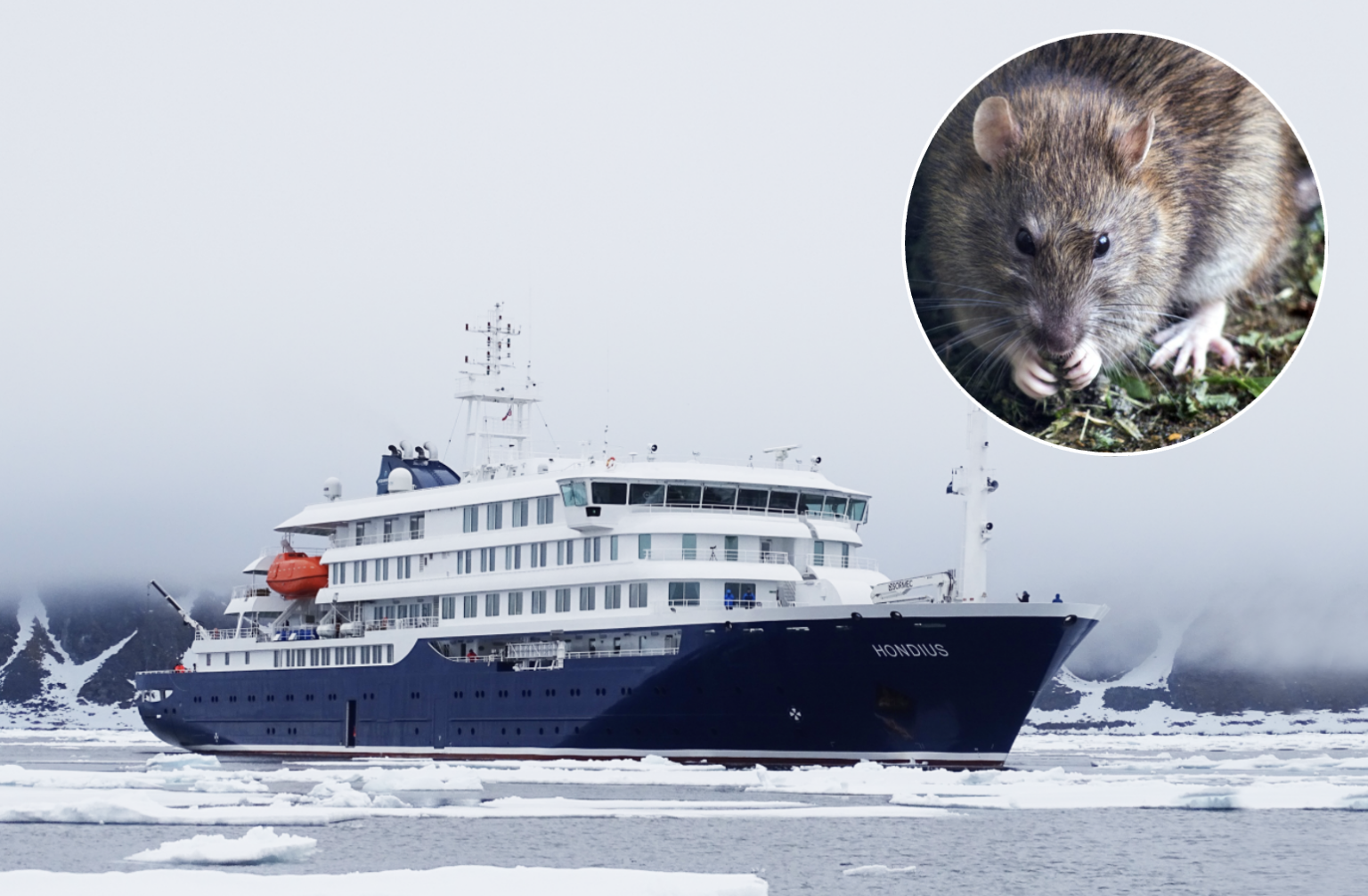

The hantavirus linked to the deaths of three passengers aboard the MV Hondius cruise ship has been identified as the Andes strain, the only known variant capable of spreading directly between humans.
The confirmation came from a laboratory working with the World Health Organisation (WHO), which analysed PCR samples taken from a person who had been onboard the vessel.
Health experts say the Andes strain is considered more dangerous than other forms of hantavirus and is primarily found in South America, particularly in rural parts of Argentina and Chile.
Unlike most hantavirus variants, which are only transmitted from rodents to humans through infected urine, saliva or droppings, the Andes strain can spread between people through prolonged close contact in enclosed spaces.
However, experts stressed that transmission is far less contagious than viruses such as Covid-19.
‘The transmission between humans has nothing to do with coronavirus or other airborne viruses,’ virologist Jose Antonio Lopez told Informativos Telecinco.
He explained that infection with the Andes strain requires ‘significant proximity’ and usually occurs in very specific circumstances involving sustained close contact.
The incubation period can range from one to six weeks, meaning infected people may show no symptoms for a considerable time, making early detection difficult.
Infectious disease specialist Eduardo Lopez told Spanish radio station Onda Cero that the variant ’causes a much more severe illness than other strains’ and is associated with higher rates of haemorrhagic disease.
The illness typically begins with fever, fatigue and respiratory symptoms, but severe cases can quickly progress into heart and lung failure.
Previous outbreaks involving the Andes strain have largely been recorded in remote areas of South America where infected rodents are common.
Human-to-human transmission has historically been limited and slow-moving, usually occurring among family members or people sharing confined living spaces.
The revelation has raised new questions over whether the outbreak onboard the cruise ship began with a single infected passenger who then transmitted the virus to others, or whether infected rodents may have been present on the vessel itself.
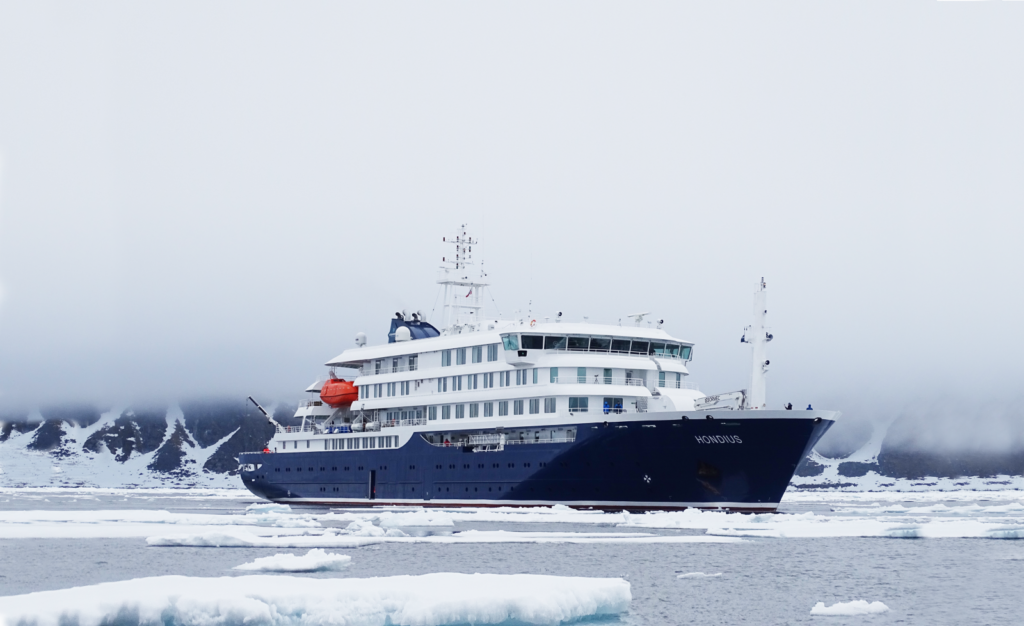
The luxury expedition cruise departed from Argentina on April 1 and has since become the centre of an international health scare.
The first victim, a Dutch passenger, began showing symptoms early in the voyage before dying on April 11.
His wife later became ill and was evacuated from the ship at the remote Atlantic island of St Helena before dying in a Johannesburg hospital in South Africa.
A second female passenger from Germany died on May 2, just days after developing pneumonia symptoms.
Spanish health authorities have since designated Tenerife as the medical response hub for passengers and crew from the MV Hondius, which remains anchored off Cape Verde.
Meanwhile, Dutch authorities confirmed they are preparing the evacuation of three seriously ill patients who require urgent medical care.
Cape Verde has so far refused to allow the ship to dock, although one of two planned air ambulances has already arrived in the country to assist with the evacuation operation.
Despite fears surrounding the outbreak, the WHO has stressed that a large-scale pandemic remains unlikely because transmission requires very close and prolonged exposure rather than casual contact.