
Spain will immediately quarantine all Spanish passengers returning from the cruise ship grappling with a deadly hantavirus outbreak.
The MV Hondius will dock at the port of Granadilla de Abona in Tenerife on Saturday, Spanish authorities confirmed on Wednesday.
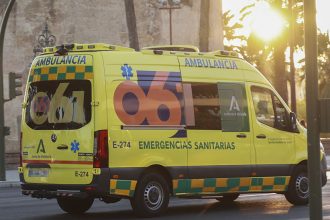
Foreign passengers will then be repatriated to their home countries, while the 14 Spanish nationals on board will be flown to Madrid and placed into quarantine.
The announcement came during a press conference at La Moncloa on Wednesday led by Health Minister Monica Garcia and Interior Minister Fernando Grande-Marlaska, after Spain agreed to a request from the World Health Organization (WHO) to assist with the humanitarian operation.
The government insisted the situation is ‘under control’ and confirmed the Spanish passengers are all currently asymptomatic.
Once in Madrid, they will be transferred to the Gomez Ulla military hospital, where they will undergo medical examinations and remain in quarantine according to clinical protocols.
Authorities said strict safety measures will be implemented when the ship docks in Tenerife to prevent any possible spread of the virus.
Granadilla port was chosen partly because it is a relatively quiet secondary port located close to Tenerife South Airport, simplifying evacuation logistics.
The latest developments come as French health authorities confirmed the first suspected hantavirus-linked case outside the cruise ship itself.
According to France’s Health Ministry, the affected person had previously been in contact with one of the passengers evacuated to Johannesburg from the vessel.
Swiss authorities have also confirmed that a former passenger is currently isolated in Zurich after testing positive for the virus.
Meanwhile, a laboratory collaborating with the WHO has identified the strain involved as the Andes variant of hantavirus, the only known strain capable of person-to-person transmission.
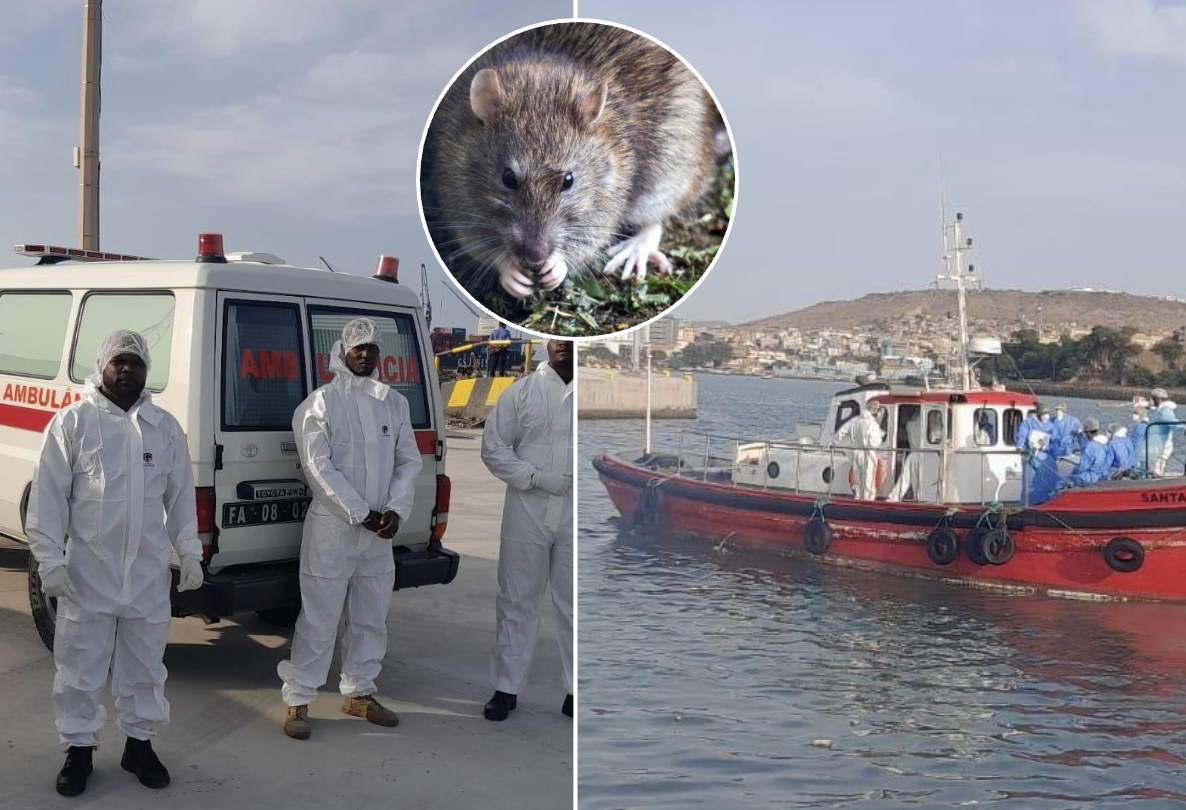
The finding significantly raises concern among international health authorities, as most hantavirus infections are normally only spread through contact with infected rodents or their droppings.
At least eight people are now believed to have been infected.
Three passengers have died since the voyage began.
The first victim, a 70-year-old Dutch passenger, died on the island of St Helena after developing symptoms including fever, stomach pain and diarrhoea.

His wife later died in a Johannesburg hospital after being medically evacuated from the ship.
A German passenger also died on May 2 after developing severe pneumonia symptoms.
The Dutch-flagged expedition vessel, operated by Oceanwide Expeditions, departed from Argentina earlier this year and had originally been due to end its journey in the Canary Islands.
Spanish authorities said Tenerife has been designated as the medical reference point for any passengers requiring hospital treatment, with both the Hospital Universitario de Canarias and Hospital Nuestra Señora de la Candelaria prepared to receive patients if necessary.
Oceanwide Expeditions said it remains in close contact with the WHO and national authorities regarding quarantine protocols and passenger screening.
The cruise operator added that final travel arrangements for passengers will depend on medical advice and the outcome of strict health checks once the ship arrives in the Canary Islands.
The decision has, however, sparked concern within the Canary Islands government.
Regional president Fernando Clavijo criticised Madrid for what he described as a lack of transparency and demanded an urgent meeting with Prime Minister Pedro Sánchez.
Clavijo questioned why passengers could not instead be evacuated directly from Cape Verde, where the ship is currently located, warning that local authorities in the Canaries had not received sufficient technical information to reassure the public.