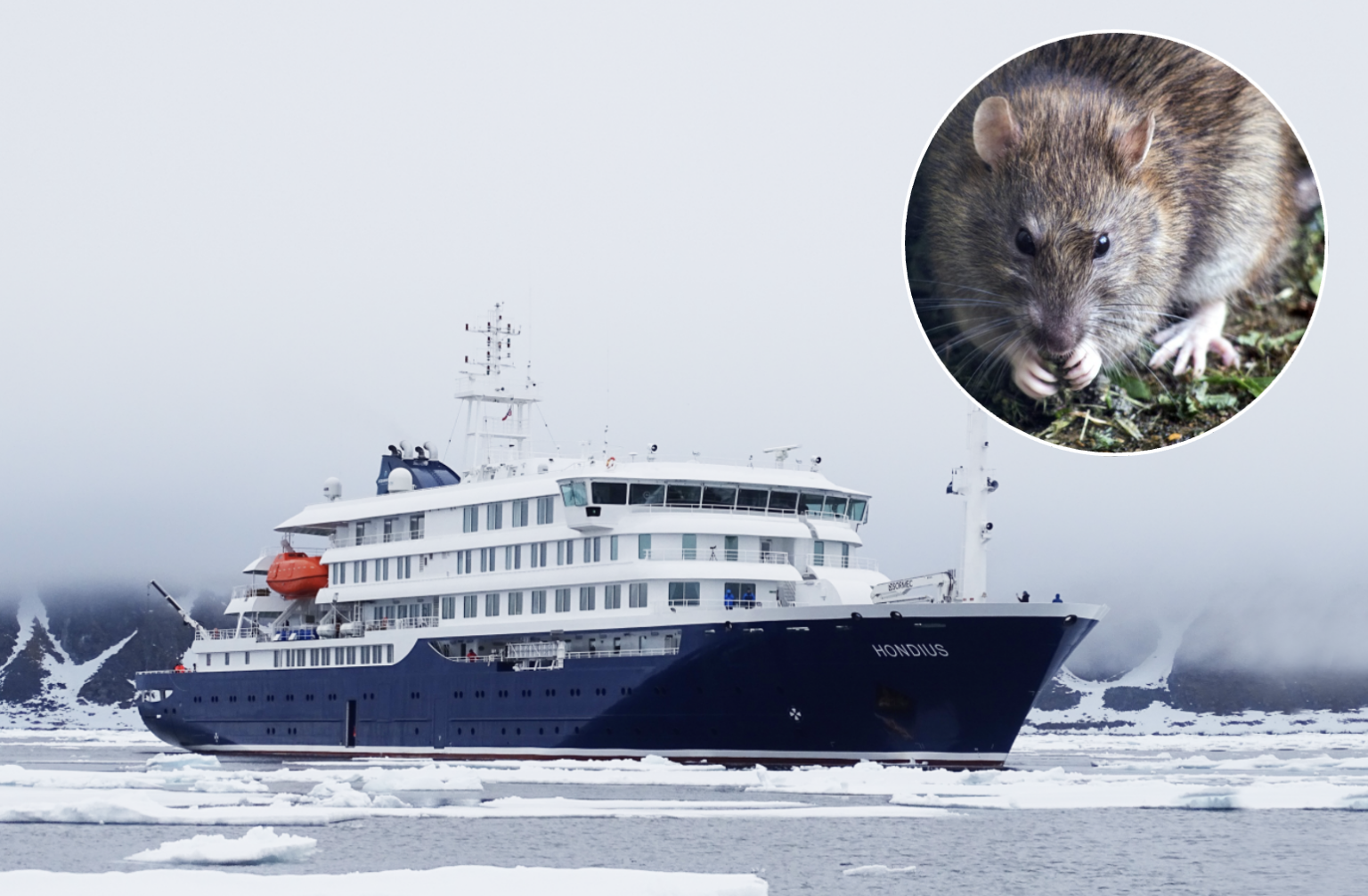

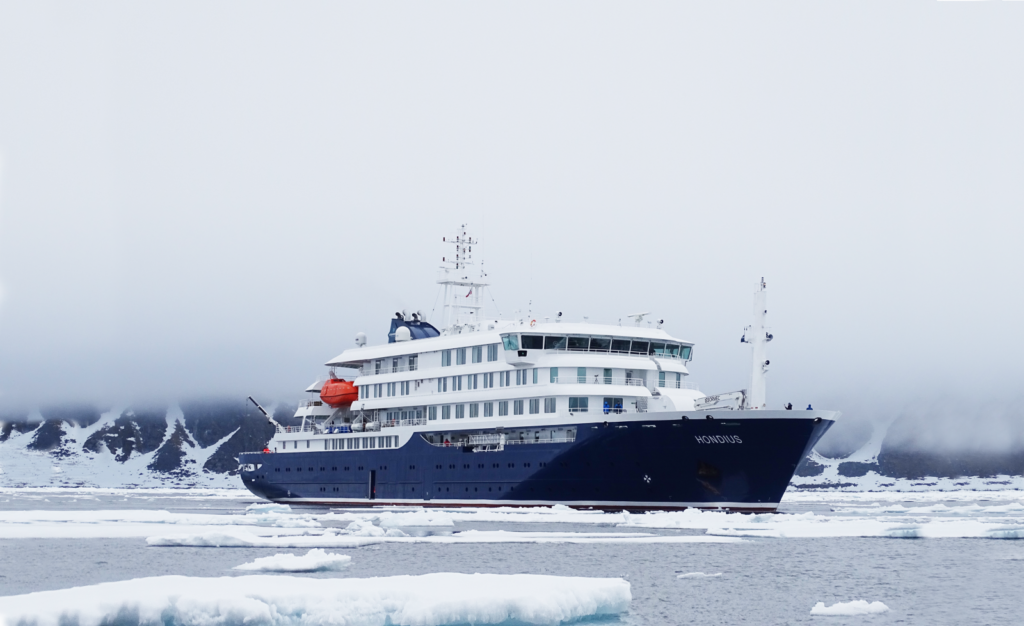
A suspected hantavirus outbreak on a cruise ship bound for Spain has left three people dead and several others seriously ill, after the vessel was forced to halt off the coast of Cape Verde.
The ship, operated by Oceanwide Expeditions, was travelling from Argentina on a South Atlantic expedition route, with planned stops including St Helena and Ascension Island before its final destination in the Canary Islands.
Among the mortal victims are three Dutch nationals, including a couple aged 69 and 70.
The man died after arriving on the remote island of St Helena, while the woman was evacuated to South Africa, where she later died in a Johannesburg hospital.
A third Dutch passenger has also died, with their body remaining on board.
A 69-year-old British man is currently in intensive care in Johannesburg with a confirmed case of the virus.
Two crew members are also reported to be ill as the ship remains off Cape Verde awaiting further instructions, with authorities so far not allowing passengers to disembark.
The outbreak has drawn global attention, but what exactly is hantavirus?
A virus carried by rodents
Hantavirus is a group of viruses mainly spread by rodents, particularly rats and mice.
Humans typically become infected by inhaling particles contaminated with rodent urine, droppings or saliva, often in enclosed or poorly ventilated spaces.
Unlike many viruses, hantavirus is not usually transmitted between people. Instead, infections are typically linked to environmental exposure.
How it affects the body
Early symptoms often resemble the flu, including fever, fatigue, headaches and muscle aches.
In more severe cases, the infection can develop into Hantavirus Pulmonary Syndrome (HPS), a serious condition that affects the lungs.
Patients can rapidly develop breathing difficulties as fluid builds up, which can become life-threatening.
A rare but serious illness
Although hantavirus is rare – particularly among travellers – it can be deadly. Severe cases have mortality rates of up to 40%.
There is no specific cure, and treatment focuses on supportive care, often in intensive care units to help patients manage breathing complications.
Why this outbreak is unusual
Cases linked to cruise ships are extremely rare, as the virus is more commonly associated with rural or wilderness environments.
Investigators are now working to determine how passengers and crew may have been exposed on board, and whether any specific area or supply chain could be linked to contamination.
What travellers should know
Health authorities stress that the overall risk remains very low.
However, the incident highlights the importance of hygiene and effective pest control, particularly in shared or enclosed environments.
As the ship remains off Cape Verde and investigations continue, the priority remains treating those affected and understanding how such an unusual outbreak occurred on a vessel bound for Europe’s shores.