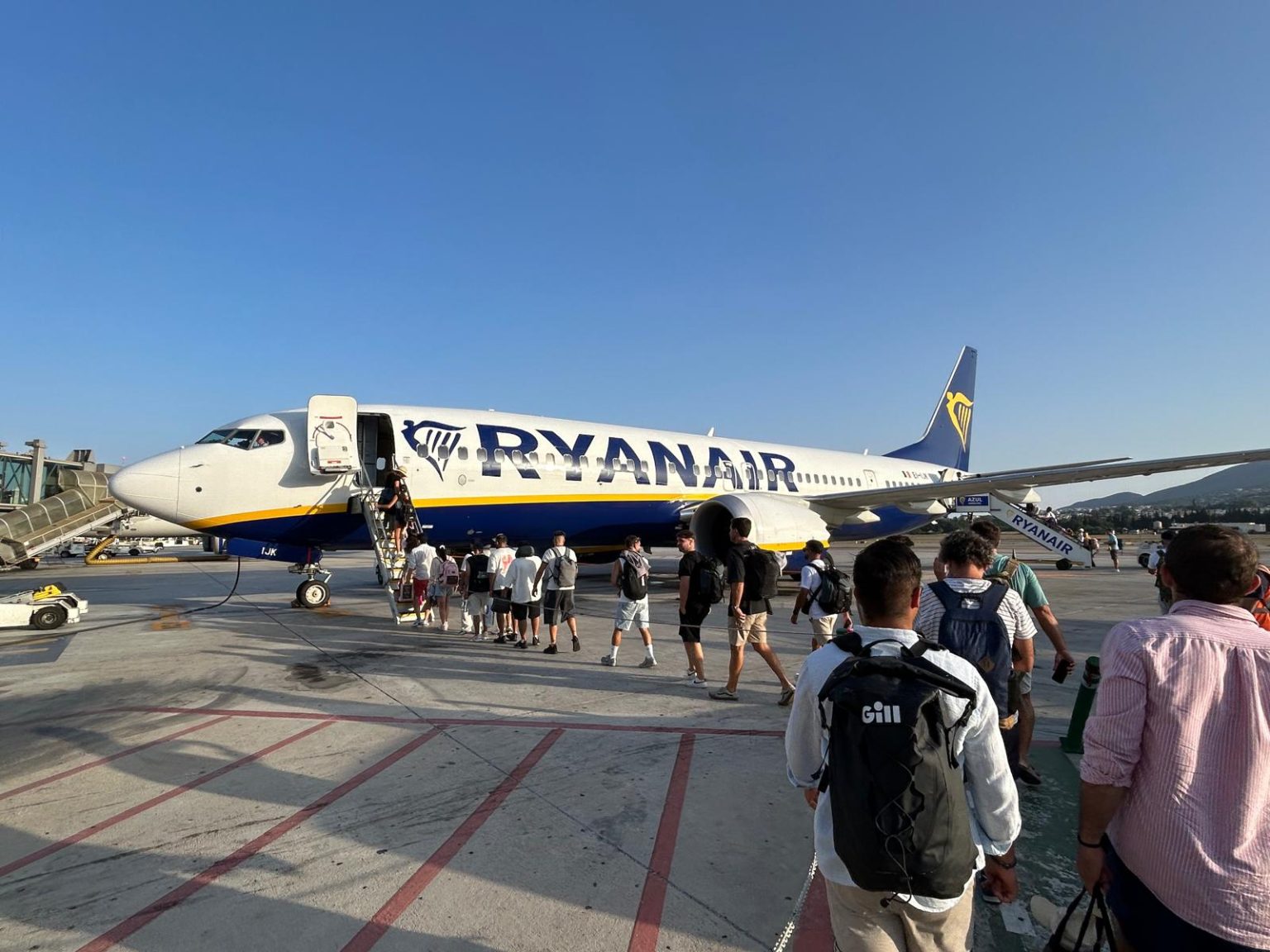

Airlines in the UK will be allowed to cancel flights weeks in advance this summer without losing valuable airport slots.
The new contingency plans are designed to avoid last-minute travel chaos.
The measures come amid growing concerns that jet fuel shortages linked to ongoing tensions in the Middle East could disrupt flights across Europe in the coming weeks.
Under the proposals, airlines would be given greater flexibility to adjust their schedules ahead of time.
This includes cancelling certain flights on busy routes and merging passengers onto alternative departures on the same day.
The goal is to reduce fuel use while minimising disruption for travellers.
Transport Secretary Heidi Alexander said the changes are aimed at preventing passengers from being caught off guard.
‘The last thing I want is people turning up at the airport only to find their flight has been cancelled,’ she said, adding that most passengers should still expect a similar experience to last summer.
Travel experts say the plans could see airlines prioritising leisure routes over business-heavy connections during peak holiday months.
It means, in theory, that holiday flights to Spain will be prioritised.
For example, a carrier operating multiple daily business flights between two major cities could cut a few services and move passengers onto one slightly later departure.
That would help conserve fuel for routes with fewer alternatives, such as holiday destinations.
Normally, airlines are reluctant to cancel flights in advance because of strict ‘use it or lose it’ rules governing take-off and landing slots at busy airports like Heathrow and Gatwick.
These slots are highly valuable and must be used at least 80% of the time or risk being handed to competitors.
The new plans would temporarily ease those rules, allowing airlines to return unused slots without losing them in future seasons.
Industry leaders have welcomed the move, saying it will help avoid unnecessary flights, including half-empty planes flown simply to retain slots, while maintaining essential connectivity.
Although there are currently no major fuel supply issues, experts warn that disruption could come quickly.
The ongoing conflict involving Iran has raised concerns about supplies from the Middle East, particularly with the Strait of Hormuz still affected.
The UK imports around 65% of its jet fuel, making it vulnerable to global supply shocks. Officials say alternative sources, including the US and West Africa, are being explored, while domestic refineries are being asked to increase output.
The plans are expected to require new legislation, with a short consultation already underway.