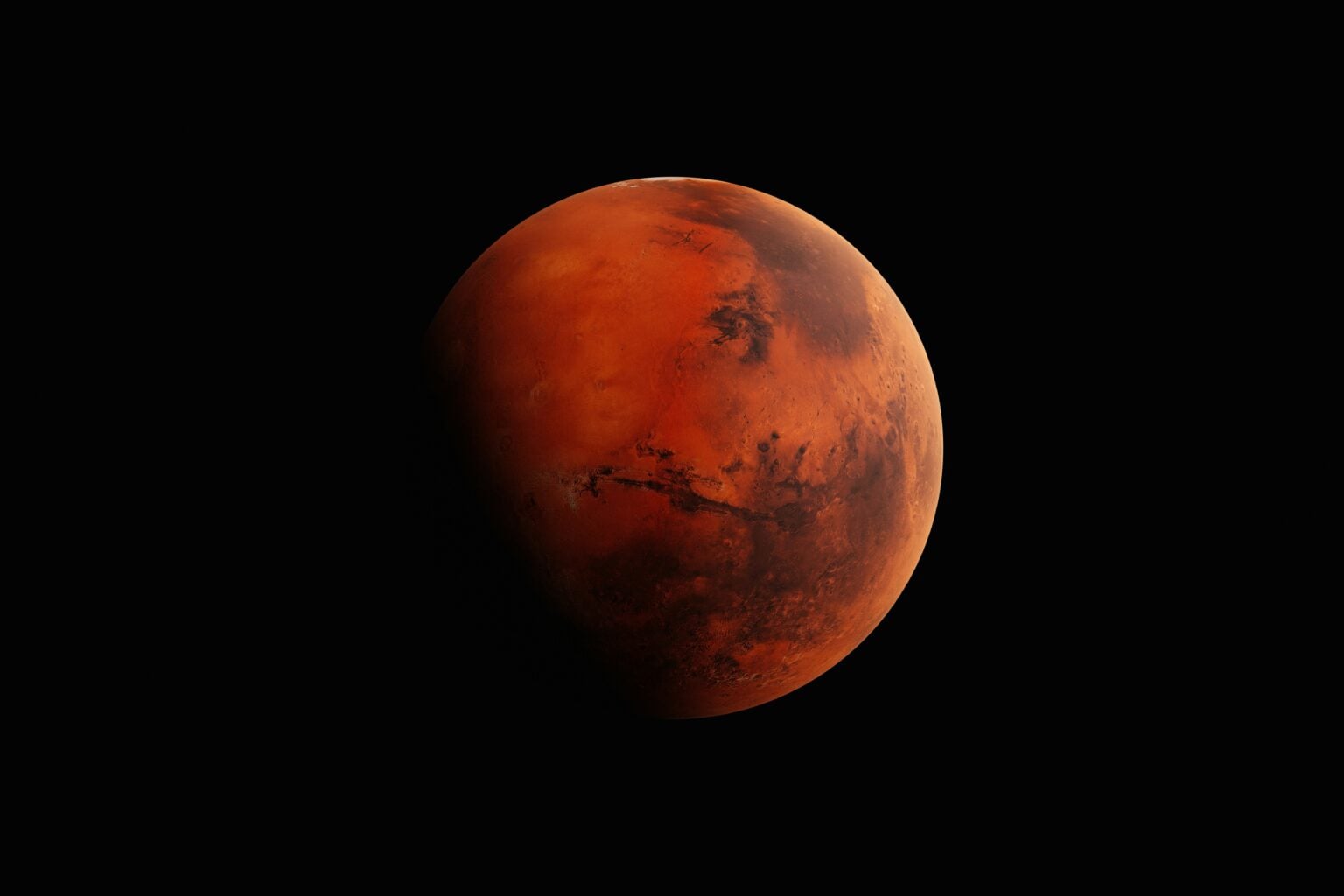

A small piece of Almeria is heading to Mars and it could play a key role in one of the biggest questions in science: did life ever exist on the Red Planet?
After years of delays, the European Space Agency’s ExoMars mission is now scheduled to launch in 2028.
On board will be the Rosalind Franklin rover, which will use research and data developed in southern Spain to decide where to drill beneath the Martian surface.
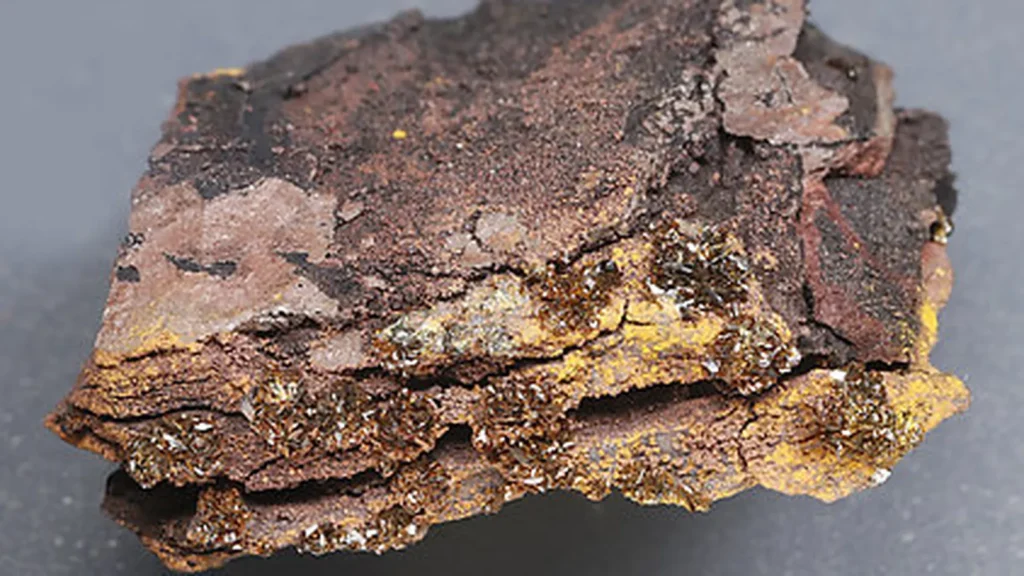
The link between Almeria and Mars goes back decades due to a mineral called jarosite, first identified in the former.
For years, it was just another geological discovery, but in 2004, NASA detected the same mineral on Mars, changing everything.
Jarosite only forms in the presence of acidic liquid water. That discovery provided some of the first solid evidence that Mars once had water and potentially the conditions needed for life.
Since then, scientists have used Almeria’s terrain as a form of testing ground for Mars.
The Tabernas Desert, often described as Europe’s only true desert, has been used to simulate rover operations.
Engineers and scientists have tested drilling techniques, sample selection and navigation systems there under real conditions.
In Alhama de Almeria, researchers are studying underground geological structures, including a planned deep drilling project of up to 500 metres.
These formations help scientists understand impact craters and subsurface layers similar to those the rover will explore on Mars.
All of this feeds into choosing the right place to drill.
Unlike previous missions, the Rosalind Franklin rover will be able to dig up to two metres below the surface, which will be deep enough to search for preserved signs of ancient microbial life, protected from radiation.
But picking the wrong spot could mean missing those signs entirely, which is where Almeria comes in.
Years of fieldwork in the province have helped scientists learn how to identify promising minerals, read geological layers and understand how signs of water, and possibly life, are preserved over time.
The mission itself has been a long time coming. Originally planned for 2018, ExoMars has faced repeated delays due to technical issues, the pandemic and, most significantly, the breakdown of cooperation with Russia after the invasion of Ukraine in 2022.
Now, with new partners and redesigned systems, the mission is back on track.
Read more Andalucia news at the Spanish Eye.