
Ryanair has urged European governments to suspend the newly introduced Entry/Exit System (EES), warning it could cause major disruption for travellers during the peak summer holiday season.
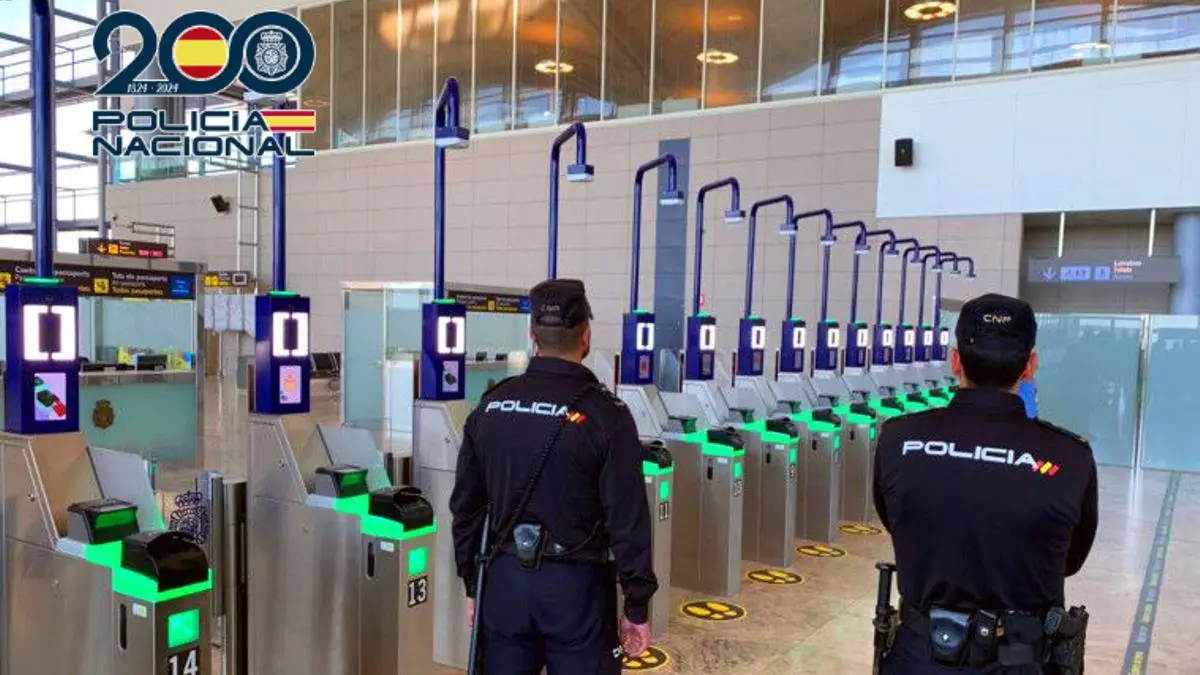
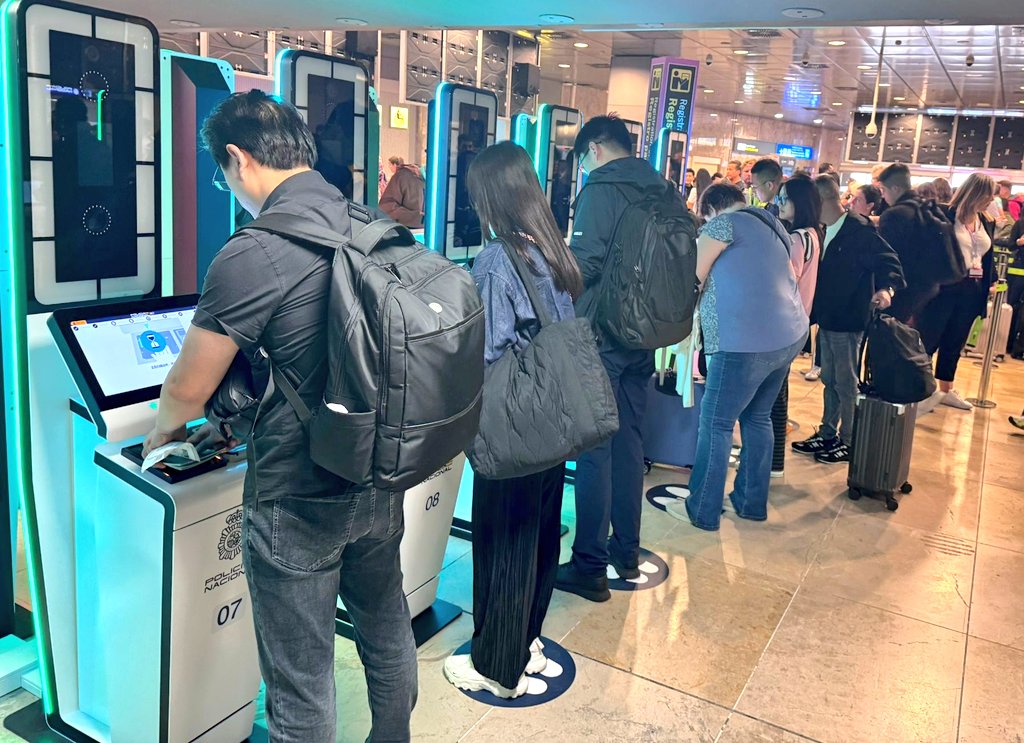
The system, which came into full force on April 10, requires all non-EU travellers – including UK passengers – to be photographed and fingerprinted at airports and border crossings when entering or leaving the Schengen zone.
Just weeks after its rollout, the budget airline has written to officials in 29 European countries, including France and Spain, asking for the rules to be relaxed until September to avoid long queues and missed flights.
Ryanair’s chief operations officer, Neal McMahon, criticised the timing of the launch, saying passengers are already feeling the impact.
‘Governments across Europe are attempting to roll out a half-baked IT system in the middle of the busiest travel season of the year,’ he said.
‘Passengers are paying the price, being forced to endure hours-long passport control queues and in some cases, missing flights.’
Citing examples, the airline claimed waiting times at some French airports – including Beauvais, Marseille and Nantes – are already stretching from one to two hours, with some passengers facing even longer delays.
In its letter, Ryanair argued that authorities have had years to prepare but have failed to put adequate systems in place.
‘Despite knowing for over three years that EES would become fully operational from April 2026, the French authorities have not ensured sufficient staffing, system readiness or the installation of kiosks,’ it said.
The airline is calling for a temporary suspension of the system under existing EU law, pointing to Greece as an example.
Greek authorities recently announced they would ease EES requirements for UK travellers over the summer, citing concerns about airport congestion on popular islands such as Crete, Corfu and Rhodes.
Tourism officials in Greece said the move would help ensure smoother arrivals and reduce waiting times during the busiest months of the year.
Ryanair argues a similar approach across Europe would prevent disruption for millions of passengers, particularly families travelling during the school holidays.
The EES is part of the EU’s wider plan to digitise border controls and improve security by tracking the movements of non-EU nationals.
However, airlines and industry groups have repeatedly warned that its introduction could lead to bottlenecks if not properly managed.