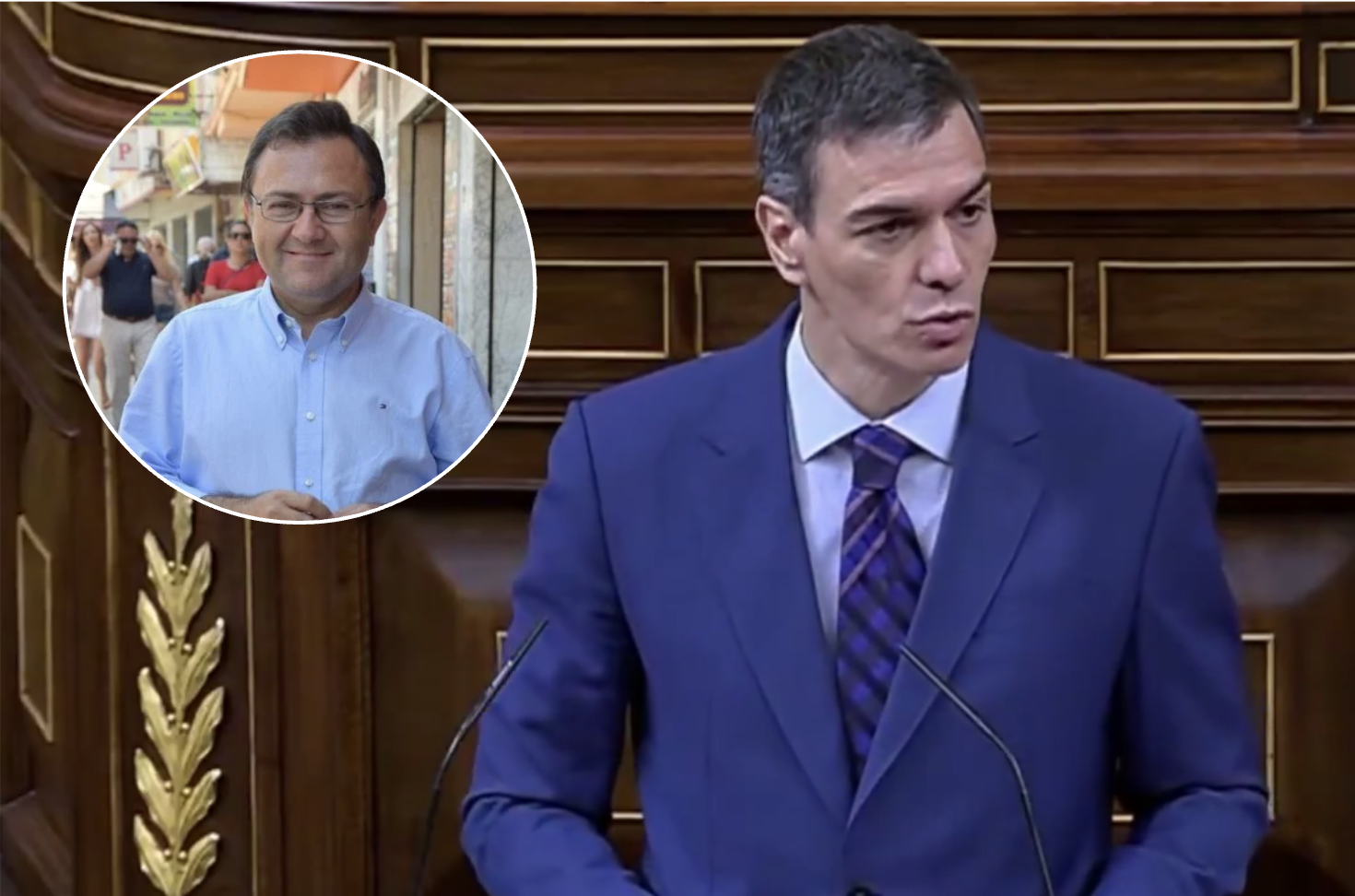

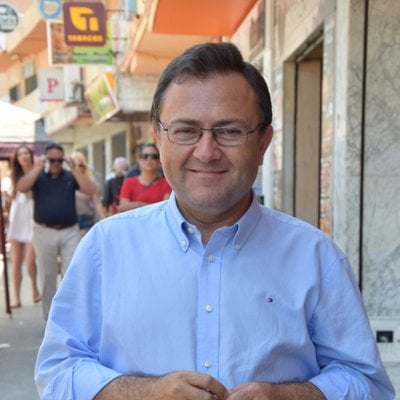
Former PSOE secretary general Manuel Angel Heredia Diaz has defended Pedro Sanchez’s record in government, following claims by the Partido Popular that people have been left worse off.
In an article for El Plural, he argued that Spain is experiencing a sustained reduction in inequality that contradicts the narrative pushed by right-wing parties.
According to Heredia, recent official data shows that social and economic gaps are narrowing to levels not seen since before the 2008 financial crisis.
He attributes this to government policies that have prioritised employment, social protection and the welfare state.
He points to figures from Spain’s National Statistics Institute (INE), which indicate that the proportion of people living below the poverty line has fallen to 19.5%, the lowest level in more than 15 years.
At the same time, the Gini index – a key measure of income inequality – has dropped to historic lows.
Crucially, he highlights that the gap between the richest 20% and the poorest 20% of the population is now narrowing for the first time in years, reversing a long-standing trend of growing inequality.
For Heredia, this is one of the clearest signs that recent economic growth is being shared more evenly across society.
For him, these indicators directly challenge what he describes as the ‘apocalyptic’ discourse of the opposition, led by Partido Popular leader Alberto Nuñez Feijoo.
He argues that economic growth under Sanchez has been more inclusive, with improvements already being felt by millions of households.
A key factor behind this shift, he says, is the strength of the labour market. Spain has surpassed 21 million people in employment, while labour reforms have increased job stability and expanded the number of permanent contracts.
Combined with repeated increases to the minimum wage, Heredia claims this has helped boost incomes at the lower end of the scale and reduce inequality.
He also highlights a drop in child poverty, which has fallen to 28.4%. Although still high, he describes it as a turning point after years of stagnation.
Measures such as the Minimum Vital Income and child support supplements are cited as playing a central role in supporting vulnerable families.
Heredia contrasts this with the period under former prime minister Mariano Rajoy, when Spain recorded some of the highest child poverty rates in Europe.
He argues that austerity policies and cuts to education and social programmes during that time had long-lasting consequences.
The former PSOE leader is also critical of current policies in regions governed by the PP. He claims that tax cuts for higher earners in Madrid and reductions in social spending in Andalucia have weakened public services, particularly healthcare and welfare support.
Beyond headline figures, Heredia points to improvements in everyday financial pressure. Fewer households now report severe difficulty making ends meet, and levels of energy poverty have declined, partly due to measures such as the gas price cap and social energy subsidies.
However, he acknowledges that challenges remain. Around half of households still face some financial strain, and one in four people remains at risk of social exclusion. Despite this, he insists the overall trend is one of improvement rather than decline.
He argues that Spain is demonstrating it is possible to expand the economy while also strengthening social protections, in a model he says is being overlooked or downplayed by the opposition.