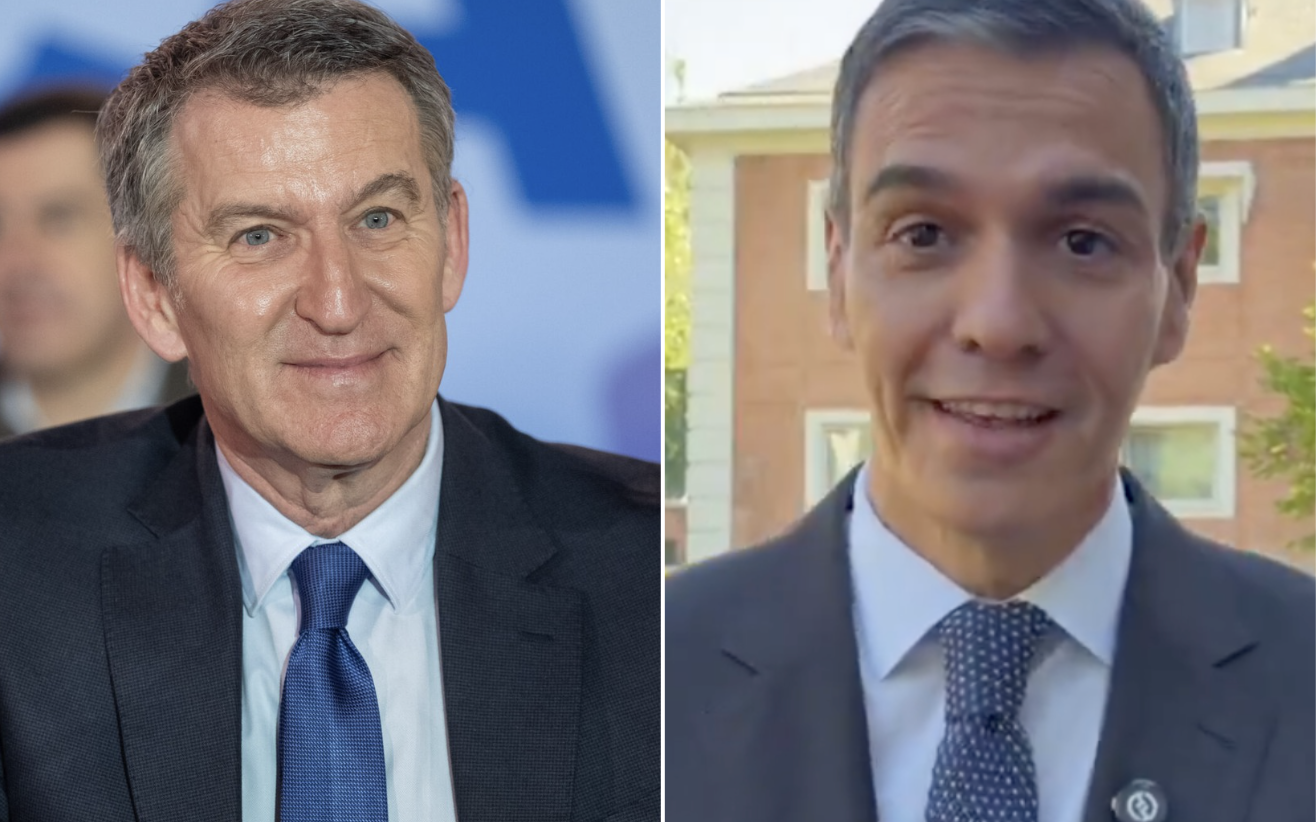

Spain’s opposition Partido Popular (PP) has claimed that ordinary people are financially worse off under Pedro Sanchez’s government, citing rising prices, higher taxes and stagnant wages.
In a message released to mark May Day, the party’s deputy secretary for the economy, Juan Bravo, said official data shows Spaniards are ‘poorer and living worse’ than when Sanchez first took office in 2018.
Bravo pointed to the cost of living as a key issue, arguing that prices for everyday goods have surged by 42% over that period.
At the same time, he said, real wages have failed to keep pace with inflation, eroding purchasing power for many households.
He also accused the government of imposing what he described as a ‘tax burden’ on workers, claiming the average taxpayer now pays around €3,600 more per year. According to the PP, this increase has not been matched by improvements in public services or infrastructure.
As examples, Bravo referenced recent national issues including a major power blackout, the fatal Adamuz accident, and what he described as deteriorating road conditions.
Youth unemployment was another central focus of his criticism. He highlighted that Spain continues to have one of the highest youth unemployment rates in the European Union, at around 26%, arguing that younger generations are being hit hardest by the current economic climate.
‘They face precarious jobs and have no real chance of accessing something as basic as housing,’ he said.
Bravo also accused the government of prioritising political messaging over addressing economic challenges.
‘Having a job in Spain is no longer a guarantee of living with dignity,’ he added.
He summarised the PP’s position bluntly: ‘Prices are up, taxes are up, wages remain low, and people are worse off.’
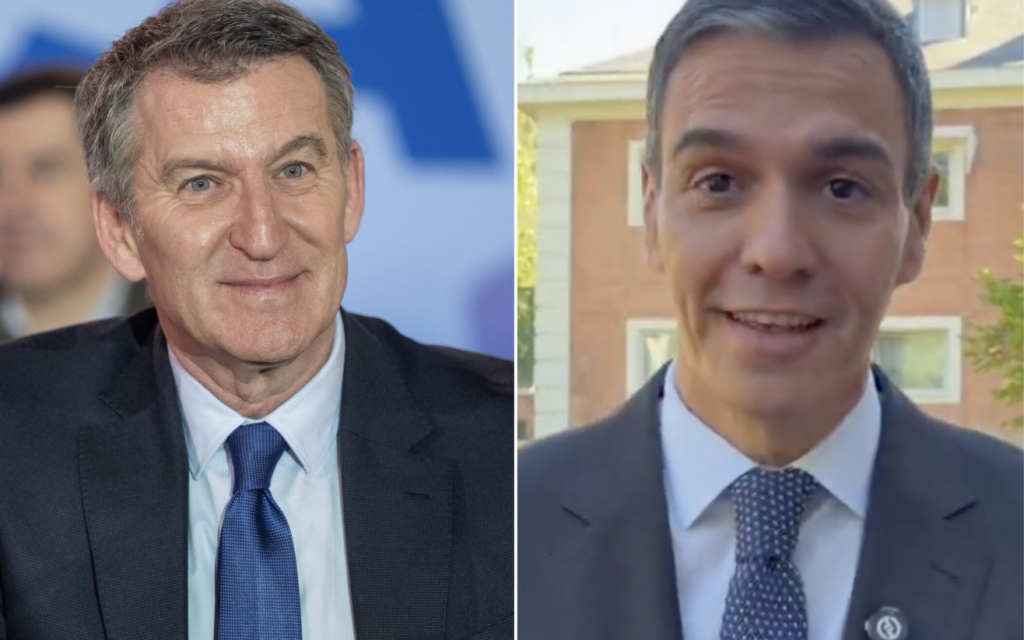
Party leader Alberto Nuñez Feijoo echoed that message, saying many Spaniards who ‘work hard, pay taxes and still struggle to make ends meet’ feel left behind.
In a video statement, Feijoo argued that government policies have turned employment into ‘an obstacle course’, with rising costs and contributions weighing on both workers and businesses.
‘Work should be for living, not just for paying bills,’ he said, adding that it was unacceptable for government revenues to increase while families have less money in their pockets.
The comments come amid an intensifying political battle over the state of Spain’s economy, with the government defending its record on job creation and social policies, while the opposition focuses on cost-of-living pressures and taxation.