
France has confirmed the first known human case of Shamonda virus, a livestock pathogen already detected on cattle farms in Cordoba.
The patient, who had a severely weakened immune system and was receiving treatment for a serious illness in Lyon, died in early October.
French authorities believe brain complications observed before the patient’s death were very probably linked to the infection.
However, investigations remain ongoing, and no health risk to the general population has been identified, according to a joint government statement.
The finding marks the first documented human case of a virus previously associated with animals.
Investigators suspect the patient became infected through the bite of a Culicoides midge in eastern France, where the virus had been circulating among livestock. These tiny biting insects are distinct from ordinary mosquitoes.
The route of infection has not been definitively established. French authorities have notified the World Health Organization and the European Centre for Disease Prevention and Control.
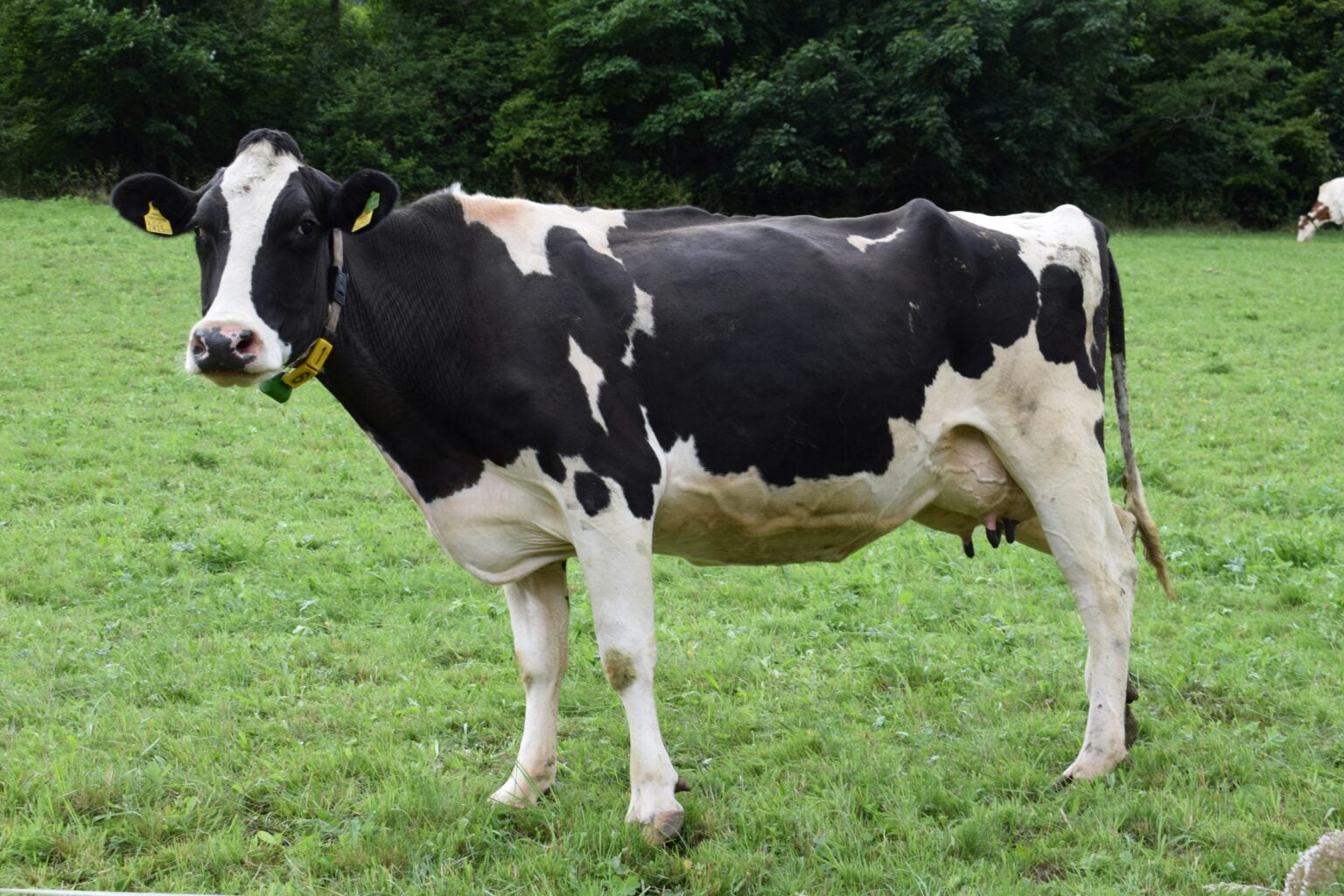
In Spain, the Agriculture Ministry announced in September that laboratory tests had confirmed Shamonda type 1 in seven cattle holdings across Cordoba and Toledo.
Affected animals showed fever, diarrhoea and reduced milk production, with further suspected cases under investigation elsewhere in the country.
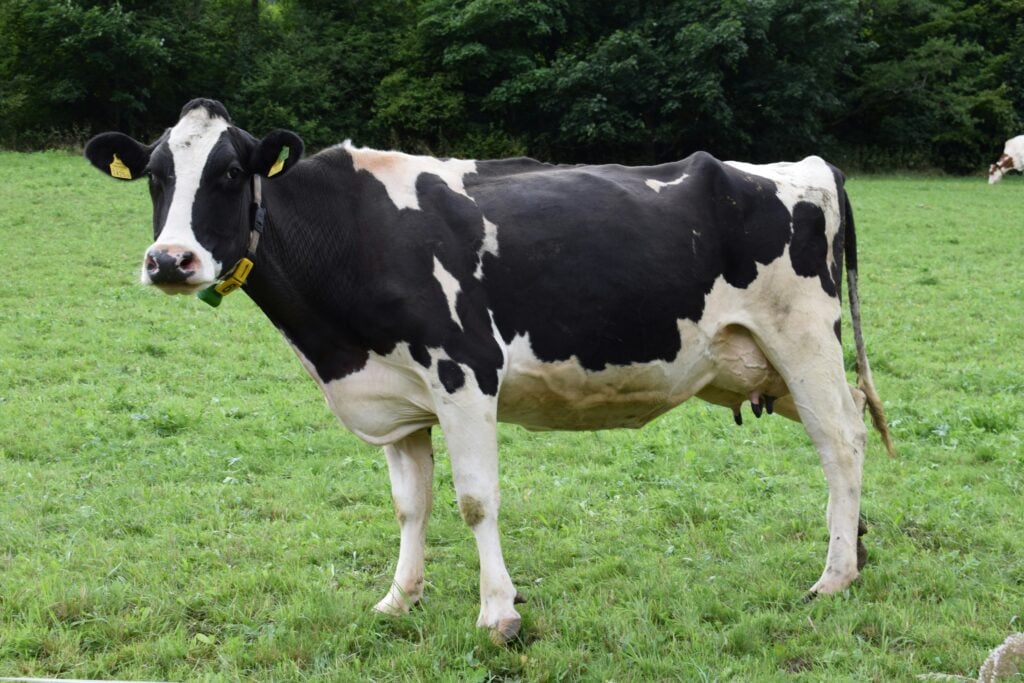
Shamonda primarily affects cattle, although infections have also been identified in other livestock. Infection during pregnancy can cause particular concern because of potential harm to developing offspring.
First identified in Nigeria in the 1960s, the virus was subsequently reported in parts of Africa and Japan before being detected in European cattle during summer 2026.
The French case does not establish how the infection would affect otherwise healthy people. Authorities emphasise that it occurred in a patient with profound immunosuppression, after decades without a documented human infection.
Clinical, laboratory and epidemiological investigations are continuing, bringing together specialists in human health, animal health and the environment.
Read more Andalucia news at the Spanish Eye.