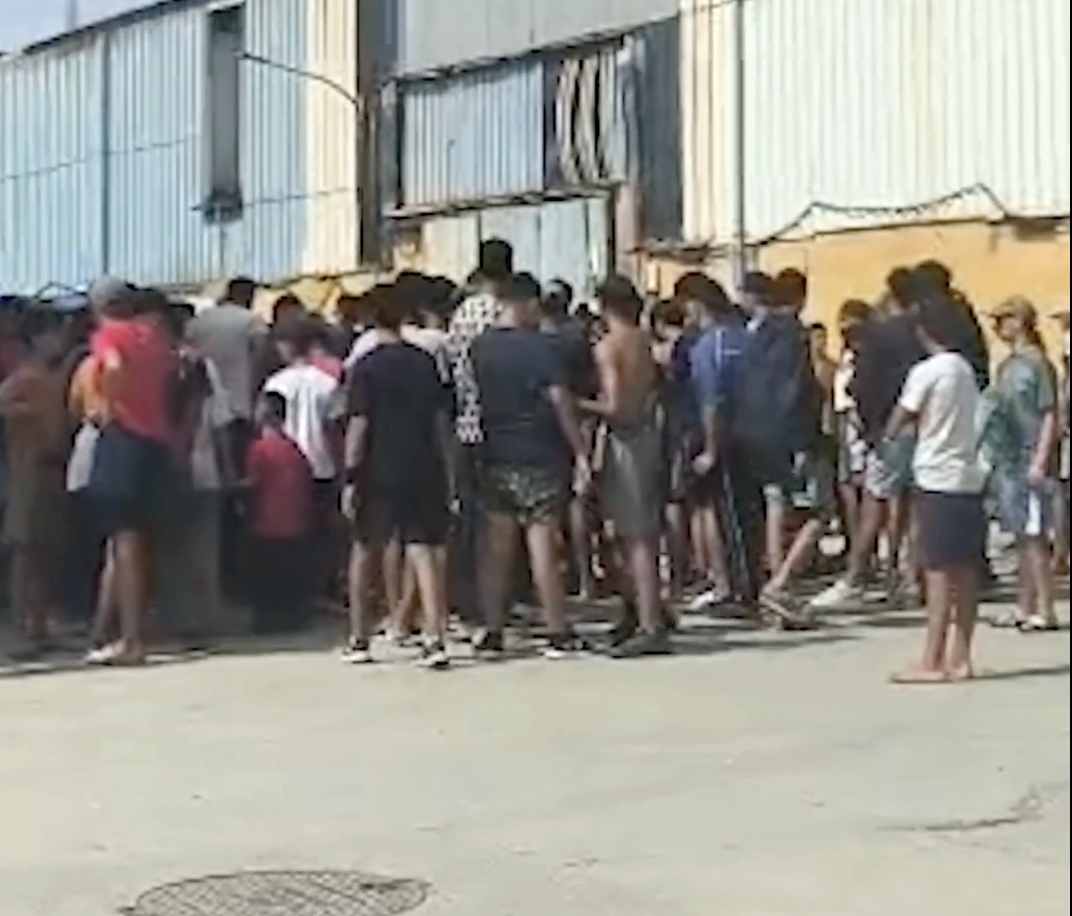

Young children are living alone in a makeshift migrant camp in Ceuta after becoming separated from their parents during the recent mass crossings from Morocco, it has been claimed.
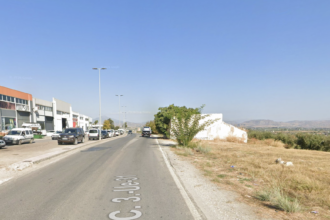
An investigation by Spanish newspaper El Mundo found hundreds of unaccompanied minors sleeping rough in the Tarajal industrial estate among abandoned pallets and rubble and in temperatures exceeding 35C.
Many of the youngsters, aged as young as seven, were barefoot, dirty and covered in cuts and bruises after making the dangerous journey into the Spanish enclave.
Some are still wearing the wetsuits they used to cross the border days earlier, the report claimed.
The camp sits just a 10-minute walk from the border crossing where many of them entered Spain.
Mustafa Abdelkader, head of the NGO Media Luna Blanca, told the newspaper that around 1,800 minors are currently living around the former industrial buildings, although only around half have so far been taken into the care of Ceuta’s authorities.
He said volunteers are currently able to provide just one meal a day, while police officers help maintain order during food distribution to prevent crushing and disorder.
According to Abdelkader, the institutions have been overwhelmed by the scale of arrivals.
‘The arrival has been so massive that there simply isn’t the capacity to care for them all,’ he said.
Although portable toilets, drinking water points and showers have been installed nearby, access to these facilities is intermittent, the report says.
Perhaps the most heartbreaking accounts involve the youngest children.
Abdelkader told El Mundo that volunteers had found children aged seven, eight and nine who appear to have crossed with their parents but are now living alone and have no idea where their families are.
Some cry while asking whether their parents managed to enter Ceuta, remained in Morocco or became separated elsewhere in the city.
During the newspaper’s visit, journalists used their own mobile phones to send WhatsApp messages and photographs to families in Morocco and Algeria after dozens of children asked them to help contact relatives.
In several cases, parents answered saying they had no idea where their children were and pleaded for information about their whereabouts.
One volunteer, Fadua, a Ceuta native now living in Malaga, said she had spent all of her holiday money buying water, milk and biscuits for the children after deciding to stay and help.
‘I’ve never seen anything like this in my life,’ she said.
The report also describes children sleeping on cardboard under the limited shade available, arguing over bottles of water and waiting for news of whether they will eventually be offered places in official reception centres.
According to Ceuta’s authorities, they are currently caring for 862 unaccompanied minors – around four times the number they were responsible for just two weeks earlier – and are preparing additional facilities.