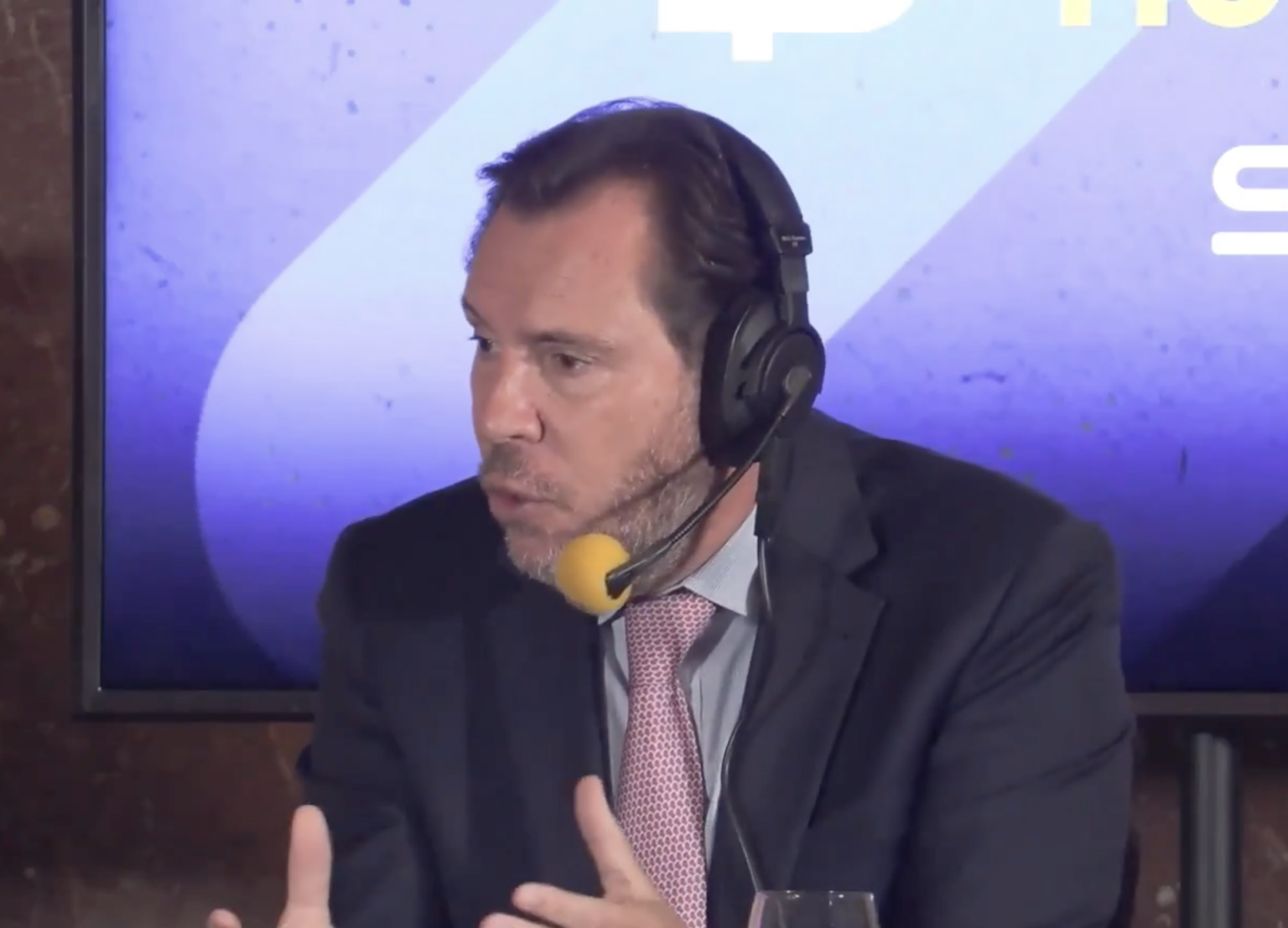

Oscar Puente has announced his resignation as transport minister amid mounting pressure following the Toledo rail disaster.
Puente said he was ‘stepping down’ at the end of his appearance in Congress on Tuesday.
He also announced that he would not stand as a congressional candidate in the forthcoming general election.
His departure follows days of refusing to resign, during which he argued that taking responsibility meant remaining in office and facing questions.
Earlier on Tuesday, he had presented a €30million support package for victims and plans to reopen the Madrid–Sevilla railway with fewer services.
But his safety proposals and technical explanations failed to satisfy opposition parties or several of the government’s parliamentary allies.
PP spokeswoman Ester Muñoz accused Puente of confusing public appearances with political accountability.
‘You are so good at explaining why people die on trains, and so bad at preventing people from dying on trains,’ she told him.
She alleged that repeated warnings had been ignored and argued that the failures were systemic rather than isolated.
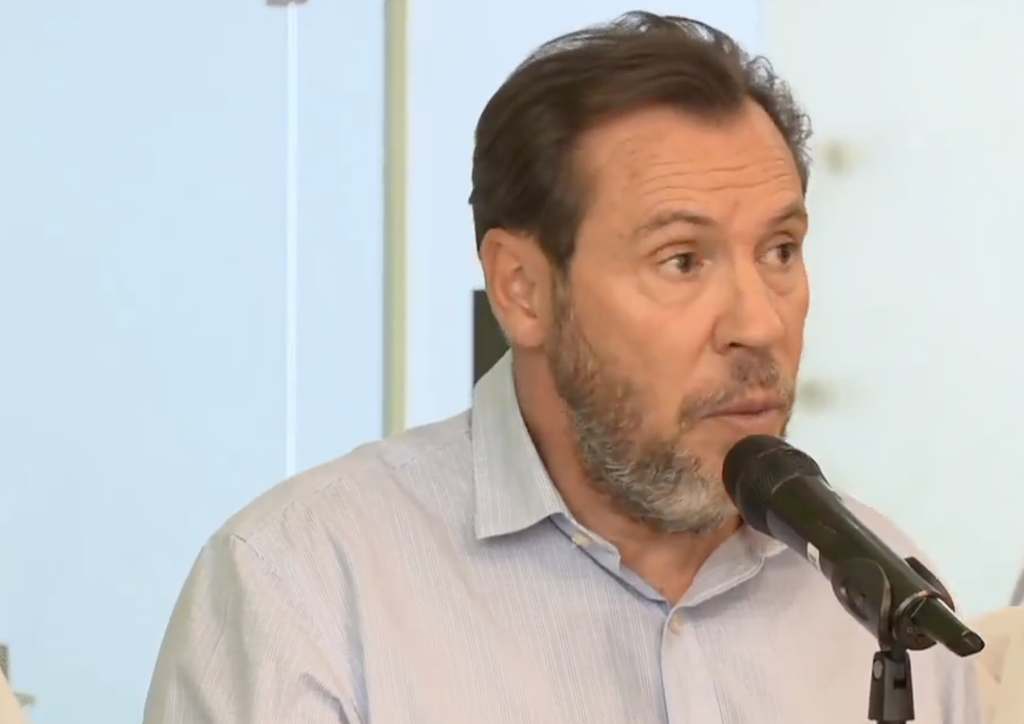
Vox spokeswoman Pepa Rodriguez de Millan also demanded his departure, accusing the government of prioritising its election campaign over establishing the truth. Vox MPs subsequently walked out.
Calls for Puente to go extended across the political spectrum.
Sumar spokeswoman Veronica Martinez Barbero, speaking for Frente Amplio, said two serious high-speed rail disasters in one year required political accountability.
‘We ask you to resign respectfully, recognising your career and convinced that accepting that responsibility would be one final valuable service from your ministry,’ she said.
ERC’s Gabriel Rufian described Puente as a ‘good politician’ who at least faced questions, but insisted that ‘someone has to take responsibility’.
He argued that the debate also needed to address railway liberalisation, increased traffic and investment.
The PNV’s Mikel Legarda said Puente had lost public confidence and should step aside to help restore trust in high-speed rail.
Junts spokeswoman Miriam Nogueras blamed successive PSOE and PP governments for years of poor management and insufficient maintenance.
Podemos leader Ione Belarra demanded his resignation and accused the ministry of leaking recordings from the day of the crash to shift responsibility towards railway workers.
Other parties also criticised the release of those recordings. Their allegations about the purpose and source of the leaks were not established findings.
Puente’s resignation comes less than a month before the November 29 election and after a second major railway disaster in nine months, following the January collision at Adamuz.
The investigation into the causes of the Urda crash remains ongoing.