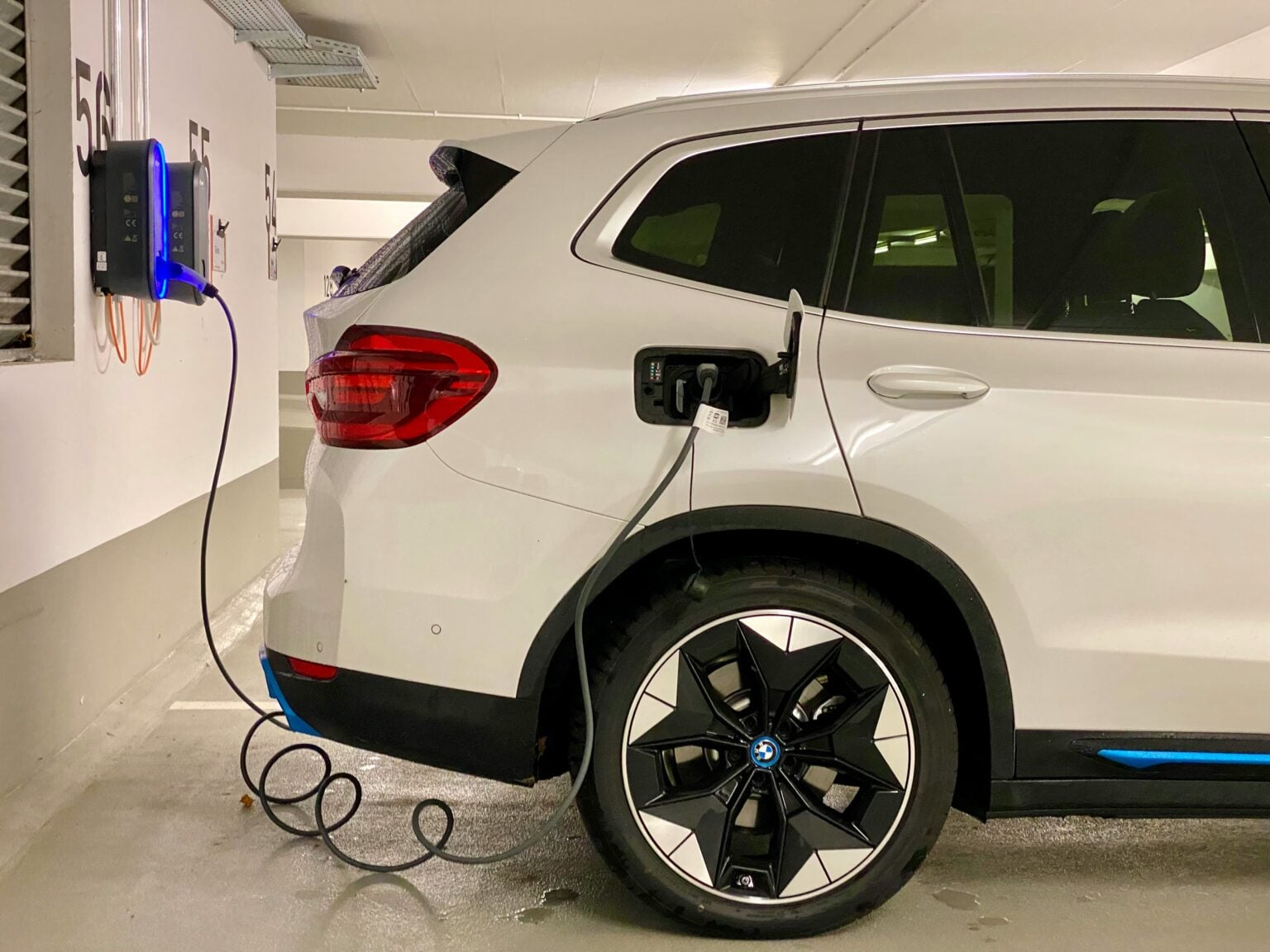

Andalucia faces a huge challenge if it is to keep pace with Spain’s electric vehicle revolution.
According to a new industry report, the region will need to install more than 22,500 additional public charging points over the next five years – more than quadrupling its current network – to meet national and European climate targets.
The figures come from the latest annual report by the Spanish Association for the Development and Promotion of Electric Mobility (Aedive), which tracks the growth of electric vehicles and charging infrastructure across the country.
At the end of 2025, Andalucia had 6,878 public charging points, making it the third-best equipped region in Spain behind Catalonia and Madrid.
However, by 2030 that figure will need to rise to around 29,400 chargers, requiring the installation of an average of more than 12 new charging points every day for the next five years.
Third-largest network, but still not enough
Spain ended last year with around 50,000 public charging points, with Catalonia leading the way on 9,777, followed by Madrid with 7,745 and Andalucia with 6,878.
Despite its position on the podium, Andalucia’s vast size and large population mean its charging network remains relatively sparse compared to the country’s leading regions.
The Aedive report predicts Spain as a whole will need around 240,000 public chargers by 2030, meaning almost 190,000 new charging points must be installed nationwide within five years.
Catalonia is expected to require around 48,000 chargers by the end of the decade, Madrid 36,000, and Andalucía 29,400.
Rural areas lagging behind
The report warns that charging infrastructure is still being rolled out unevenly across Spain.
Most charging points are concentrated in major cities and transport corridors, while rural areas continue to lag behind.
Experts say the challenge is no longer simply installing more chargers, but ensuring they are located where drivers actually need them.
Particular concern surrounds slower AC charging points, which are essential for residents who do not have access to private garages or driveways.
With an estimated 70% of Spanish drivers parking on public streets, expanding neighbourhood charging networks is seen as crucial if electric vehicles are to become mainstream.
Bureaucracy blamed for delays
Industry leaders say one of the biggest obstacles remains bureaucracy.
According to Aedive, obtaining the necessary permits to install charging infrastructure can currently take between 18 and 24 months, far longer than the six to 12 months the sector believes is reasonable.
The report also highlights significant differences in approval processes between municipalities and regions, creating uncertainty for investors and slowing long-term planning.
While Andalucia has made a stronger start than many regions in relative terms – already reaching around 23% of its 2030 target compared with a national average of 21% – the scale of the task ahead remains enormous.
Unless deployment accelerates significantly, experts warn the region could struggle to support the growing number of drivers expected to switch to electric vehicles over the coming decade.
Read more Andalucia news at the Spanish Eye.