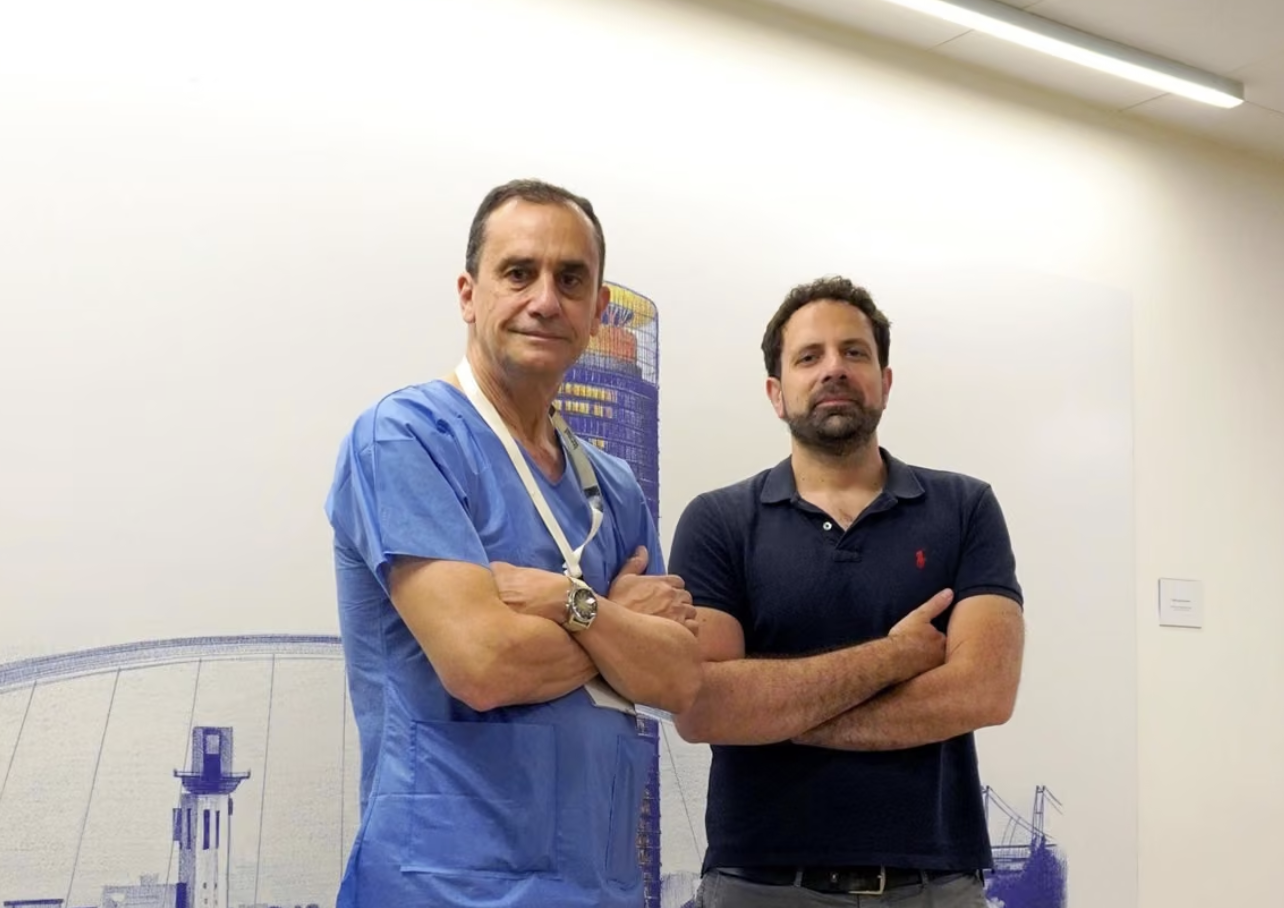

Surgeons at a hospital in Sevilla have helped develop an AI-powered system capable of identifying nerves during operations.
The breakthrough could make surgery safer and reduce the risk of patients suffering lasting complications.
The technology has been validated by specialists at the Virgen Macarena University Hospital and has now won a major European award for surgical innovation.
The system acts as a form of AI-guided surgical navigation, identifying anatomical structures – including peripheral nerves – while surgeons carry out laparoscopic, or keyhole, gastrointestinal procedures.
Avoiding damage to nerves is particularly important during these operations because accidental nerve injuries can be responsible for some of the functional problems experienced by patients following gastrointestinal surgery.
Researchers therefore hope that giving surgeons a more accurate ‘map’ of where nerves are located could ultimately allow operations to be carried out more precisely and safely.
Crucially, the Sevilla team has now tested whether the structures being identified by the artificial intelligence really are nerves.
Surgeons took targeted biopsies from structures that the AI system predicted to be nervous tissue.
The samples were subsequently examined by pathology specialists, who confirmed that the system had correctly identified nerve tissue in a significant proportion of cases.
According to the Junta de Andalucia, it is the first study to validate an AI-based surgical navigation system in this way.
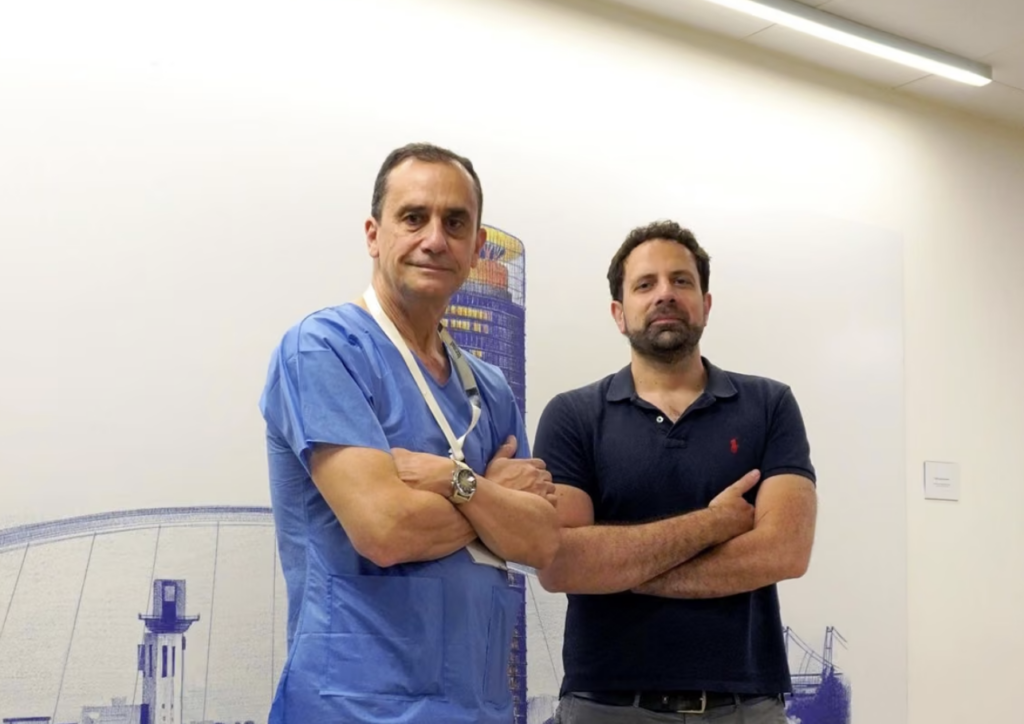
The research was carried out by specialists from the General and Digestive Surgery Department at Virgen Macarena, headed by Salvador Morales, alongside the hospital’s Pathological Anatomy Department and a group of Japanese experts.
Their work has now been awarded first prize in the Gerhard Buess Technology Award at the European Association for Endoscopic Surgery congress.
The award recognises the best scientific work presented at the international meeting, which is considered one of Europe’s leading events for minimally invasive surgery.
The study has also been accepted for publication in Surgical Endoscopy, an international specialist journal.
Morales said the recognition supported the hospital’s commitment to research, technological innovation and collaboration between surgeons, engineers and pathologists.
He said the aim was to develop tools capable of making ‘the surgery of the future more precise and safer.’
The Virgen Macarena has participated in a number of surgical innovation projects in recent years, particularly involving artificial intelligence, surgical navigation and minimally invasive techniques.
The latest research could ultimately contribute to a future in which surgeons receive real-time AI assistance identifying delicate anatomical structures while operating, potentially reducing the risk of inadvertently damaging nerves and improving outcomes for patients.
Read more Andalucia news at the Spanish Eye.