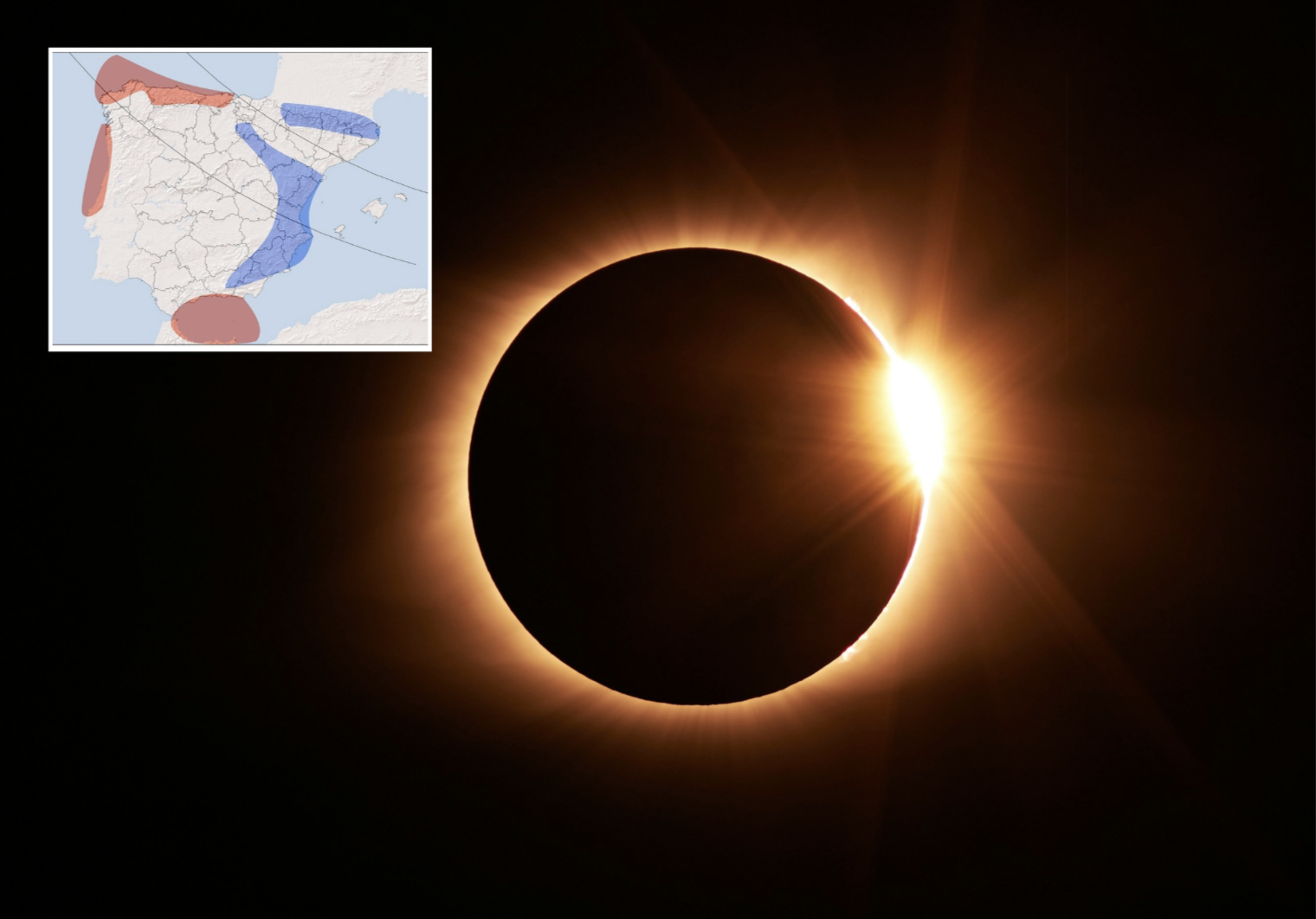

Andalucia is preparing for one of the most spectacular astronomical events in years as a solar eclipse will be visible across the region on August 12.
Although it will not be a total eclipse, around 95% of the Sun will be obscured, plunging the landscape into darkness. Temperatures may also dip slightly as the Moon passes between the Earth and the Sun.
The eclipse will begin at around 7.40pm, reaching its maximum between 8.36pm and 8.40pm, depending on where you are.
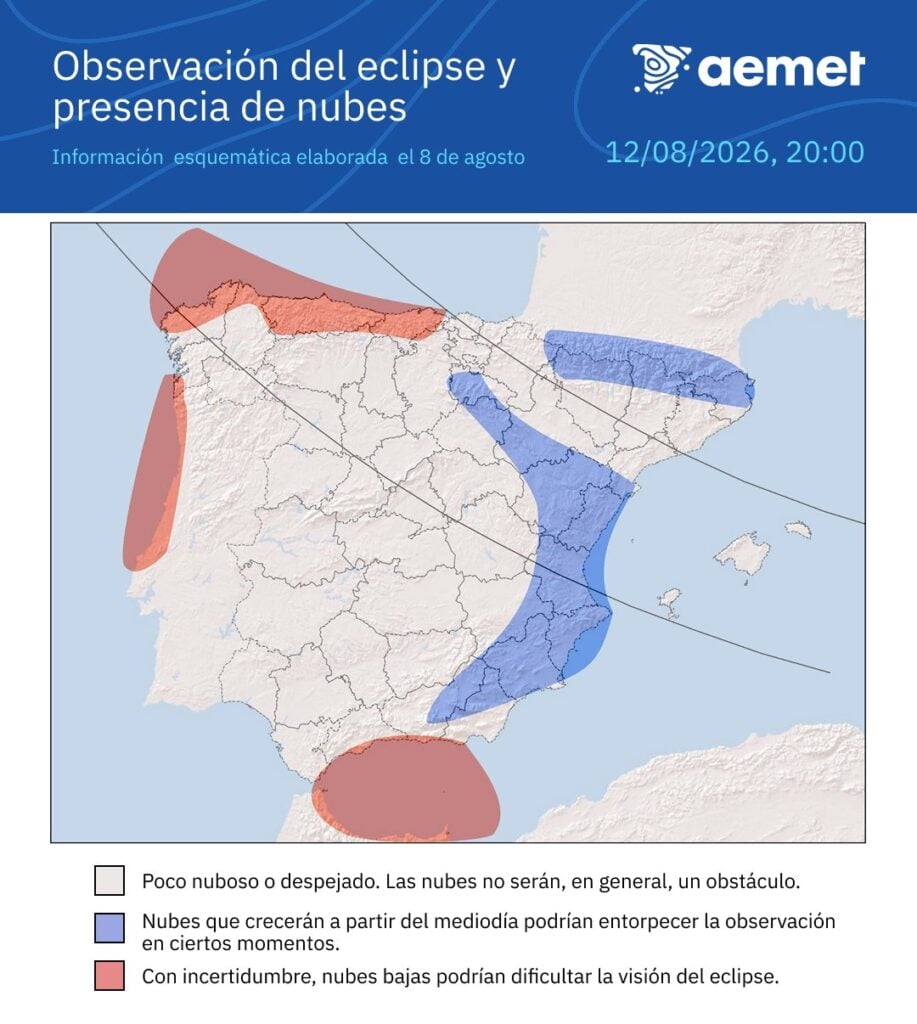
As the event coincides with sunset, the best places to watch it are those with an uninterrupted view of the western horizon.
Best places to watch the eclipse
Some of the best viewing locations include west-facing beaches along the Costa del Sol and Costa de la Luz, hilltops and mountain viewpoints, open countryside and elevated lookouts with clear views towards the horizon.
Popular options include La Malagueta and Cabopino beaches in Malaga province, the Mirador de San Nicolas in Granada, Bolonia Beach near Tarifa, and viewpoints in Sierra Nevada.
Many visitors are also expected to head to rural areas away from towns and cities to enjoy darker skies and fewer obstructions.
Wherever you choose to watch, experts advise arriving early, as many popular locations are expected to be busy.
How to watch it safely
The most important rule is to never look directly at the Sun without certified eclipse glasses.
Only use eclipse glasses that comply with the ISO 12312-2 (or ISO 12312-2:2015) safety standard and carry the CE mark. Ordinary sunglasses, however dark they appear, do not provide adequate protection.
Before using eclipse glasses, inspect them carefully for scratches, holes or damage. If the filters are damaged, do not use them.
Even with approved glasses, avoid staring continuously at the Sun for extended periods. Look away every few minutes to rest your eyes.
Never use homemade alternatives such as smoked glass, CDs, X-ray film or other improvised filters, as these offer no protection against harmful solar radiation.
If you plan to photograph the eclipse, remember that cameras, binoculars and telescopes also require specialist solar filters fitted over the front of the lens.
Looking through optical equipment without the correct filter can cause instant and permanent eye damage, while camera sensors can also be destroyed.
Parents should ensure children keep their eclipse glasses properly fitted while viewing the event.
Plan ahead
Because the eclipse will take place during the hottest part of the evening, visitors should take water, sunscreen and a hat, particularly if arriving early to secure a viewing spot.
Motorists are also urged not to stop on hard shoulders or roadsides to watch the eclipse. Instead, choose a safe location well in advance and avoid creating traffic hazards.
If you’re heading into the countryside or a natural park, be mindful of the wildfire risk, avoid lighting fires or barbecues, and take all rubbish home.
Protect your eyesight
Eye specialists warn that looking directly at the Sun without proper protection can permanently damage the retina in just seconds.
Because the retina has no pain receptors, people often do not realise damage is occurring until it is too late.
Anyone who experiences blurred vision, blind spots, distorted colours or other visual problems after watching the eclipse should seek medical attention from an ophthalmologist immediately.