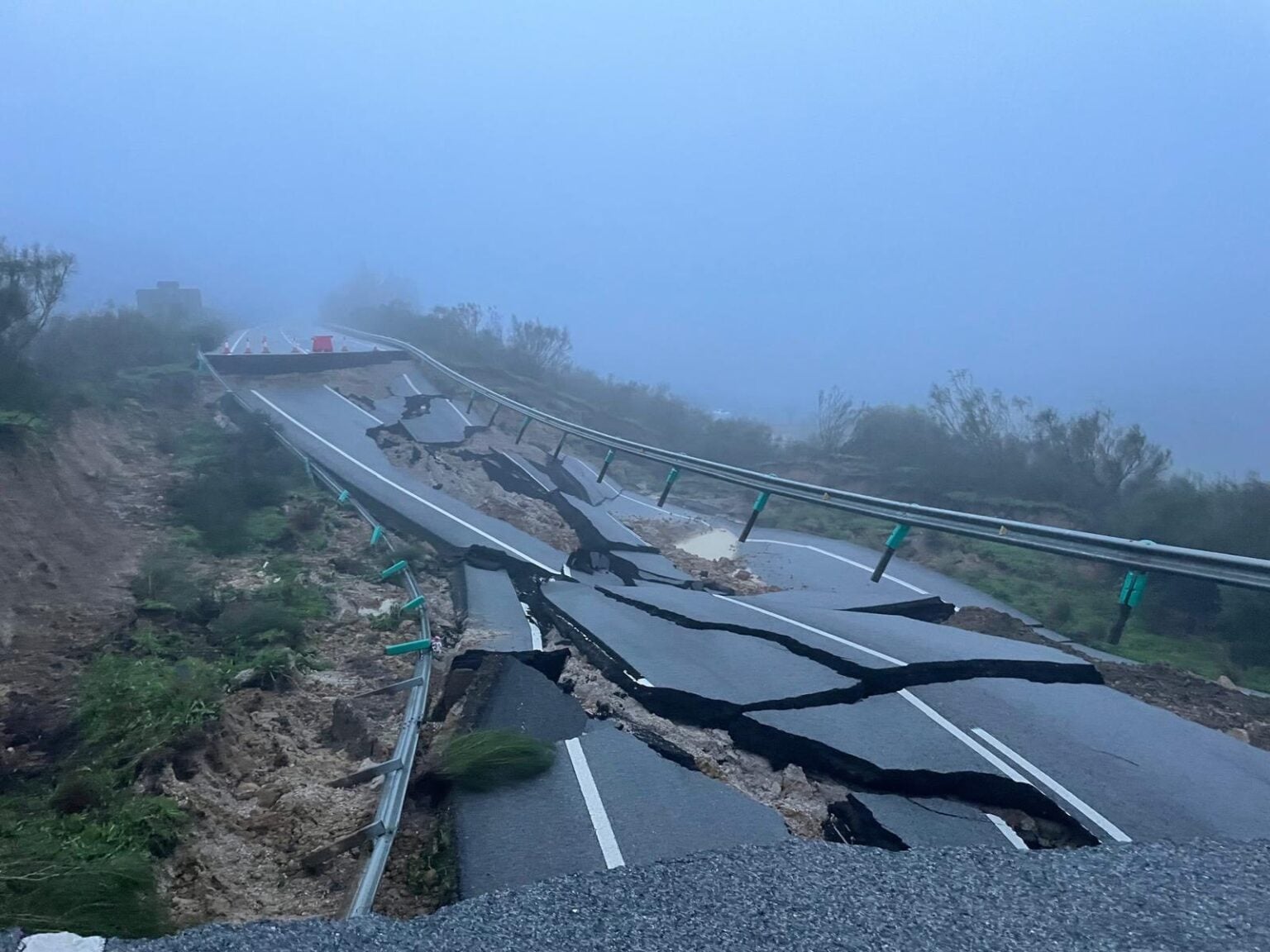

Four months after unprecedented storms battered Andalucia, 10 roads across the region remain closed as authorities continue one of the largest reconstruction efforts in the area’s history.
The closures are the last visible reminder of the devastating weather that swept across southern Spain in February and March, triggering landslides, road collapses and severe flooding across all eight Andalucian provinces.
Among the most dramatic scenes came in Grazalema, where residents were ordered to evacuate their homes as floodwaters burst through floors, electrical sockets and streets following torrential rainfall.
According to sources from Andalucia’s Ministry of Development, the regional government has invested a record €283million in emergency road repairs since the storms struck.
The reconstruction programme forms part of the Junta’s Andalucia Actua plan, which was launched on February 7 just days after the first major damage was reported.
In total, 45 emergency projects were declared, involving more than 620 workers from contracted companies alongside over 500 staff from the Junta’s own road maintenance teams.
The scale of the damage was extraordinary.
Nearly 1,000km of roads across Andalucia required urgent intervention to remove landslides, repair damaged surfaces and stabilise infrastructure affected by the storms.
Officials describe it as the largest investment ever made in emergency road repairs in the region.
As a result, 45 heavily damaged roads have already been reopened, many in record time.
The most recent reopening came in April when traffic resumed on part of the A-372 between Grazalema and Benamahoma in Cadiz province.
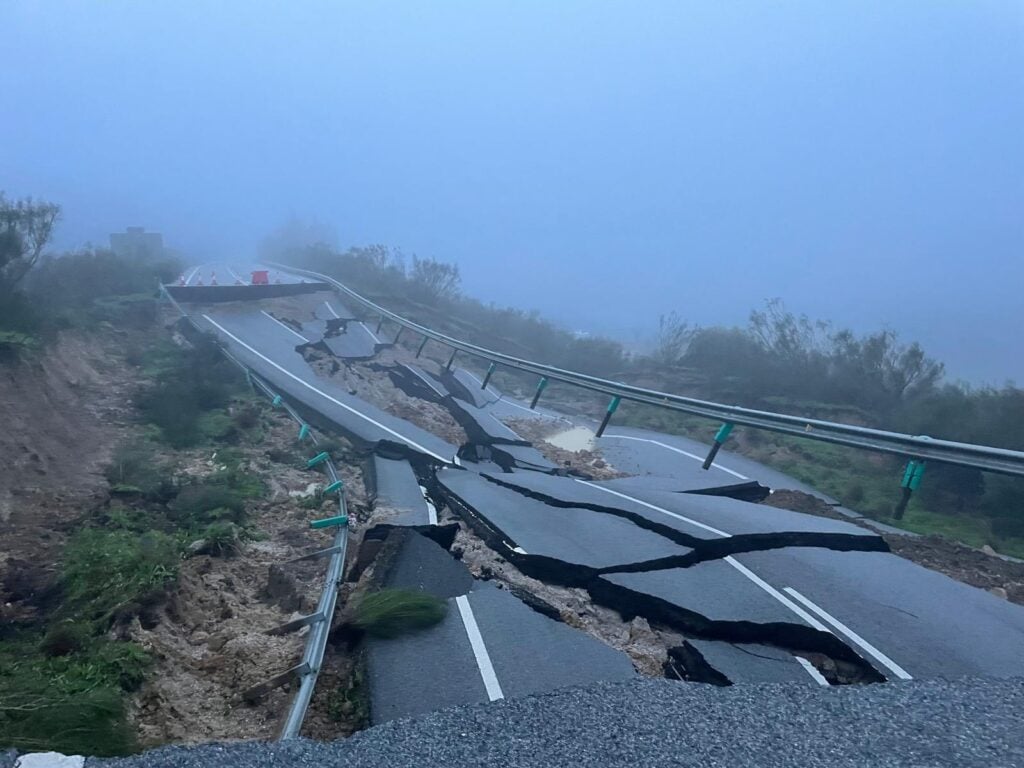
Despite the progress, ten roads remain closed for what the Junta describes as ‘obvious road safety reasons’.
Most have alternative routes available for residents, while some are operating under temporary access arrangements.
Officials insist the remaining works are progressing as expected but warn that some repairs are particularly complex.
‘The damage was not caused by a lack of maintenance but by an unprecedented series of storms with record rainfall levels,’ regional government sources said.
Many of the outstanding projects involve stabilising hillsides and repairing major landslips rather than fixing the road surfaces themselves.
These technically challenging works require specialist engineering teams and can take considerably longer to complete.
Some of the most complicated repairs are concentrated in mountainous areas including the Sierra de Cadiz, the Serranía de Ronda and access routes to Sierra Nevada.
The scale of the destruction varied significantly between provinces.
Cadiz recorded around 200 incidents across 32 roads, while Malaga saw nine major emergency projects worth €47million, many of them concentrated in the Serranía de Ronda.
Jaen suffered 97 incidents across 40 roads, while Granada recorded 61 incidents affecting 25 routes.
Elsewhere, Cordoba required work on 24 roads, Huelva on 18, Sevilla on three and Almeria on just two incidents, making it the least affected province.
Alongside the emergency repairs, Andalucia is also preparing to launch a separate €151million resurfacing programme aimed at improving road conditions across the region.
The new asphalt plan, which is 17 times larger than typical annual resurfacing budgets, is expected to begin this month.
While significant progress has been made since February’s devastating storms, officials acknowledge that some of the region’s most damaged roads still face months of work before they can safely reopen.