
The Spanish government is preparing to install a network of mobile barriers along the Guadalquivir river in a bid to stop drug traffickers using the waterway to transport narcotics deep into Andalucia.
Interior Minister Fernando Grande-Marlaska recently confirmed the project in the Senate, revealing that more than €12 million will be invested in the initiative.
The move comes amid growing concern over the increasing use of the Guadalquivir by organised crime groups, which have turned the river into a key route for moving drugs and fuel supplies inland.
Authorities have spent several years developing the project, which involves cooperation between multiple government ministries and the Port of Sevilla.
The Ministry of the Interior and the Port of Sevilla formally signed an agreement on May 19 to begin implementing the system.
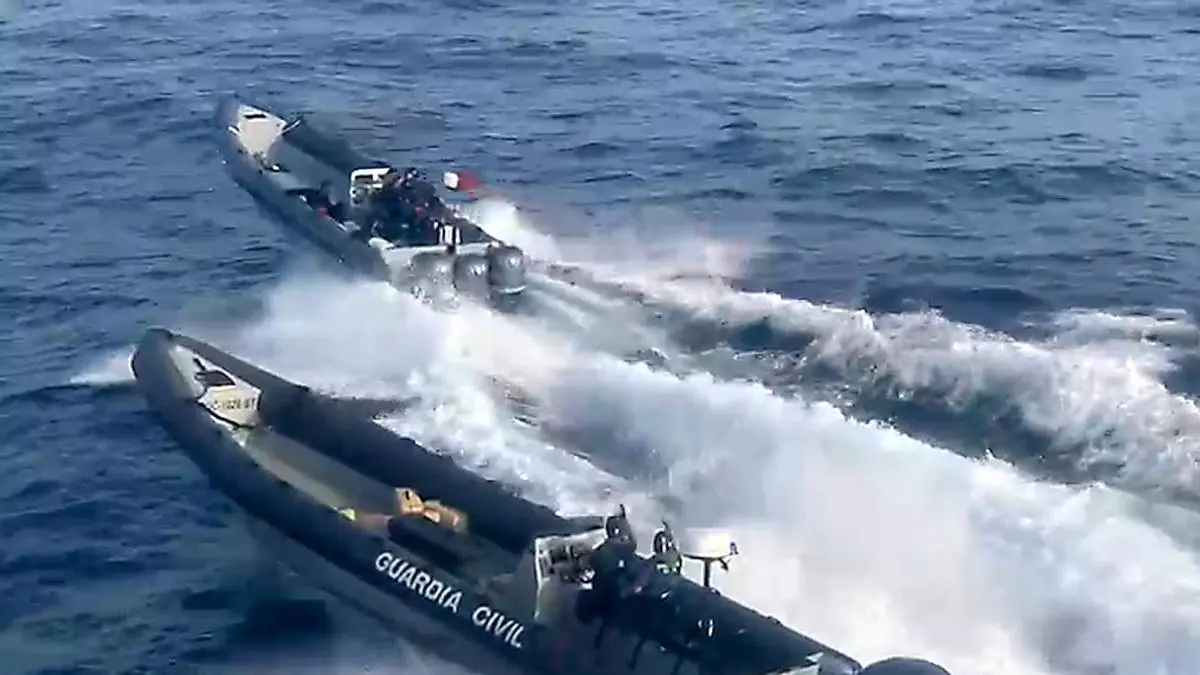
While few technical details have been made public, officials say the barriers will be installed throughout the Guadalquivir and are designed to make it more difficult for so-called narcolanchas – high-powered drug boats – to operate on the river.
Sources within the Interior Ministry have declined to reveal further specifics, arguing that doing so could help traffickers find ways around the new security measures.
The project is expected to go out to tender in the coming months.
The announcement follows years of warnings from police unions and Guardia Civil associations, which have argued that drug gangs have become increasingly emboldened in southern Spain.
The issue was thrust into the national spotlight after two Guardia Civil officers were killed in Barbate, Cadiz, in February 2024 when a narco boat rammed their patrol vessel.
Since then, pressure has mounted on the government to take tougher action against trafficking networks operating in Andalucia.
Officials say the Guadalquivir project must balance security concerns with environmental protections, given the ecological importance of the river and its surrounding areas.
The Port of Sevilla has stressed that the new barriers will not affect commercial shipping or tourist vessels using the waterway.
Spain has already experimented with similar infrastructure before.
In 2016, authorities installed an anti-drug barrier on the Guadarranque river in San Roque, Cadiz, a location frequently used by traffickers at the time.
That system consisted of 25 concrete-filled steel piles linked by zig-zag barriers designed to block the passage of speedboats.
However, traffickers reportedly managed to breach the structure within just three months of its installation.
The government hopes the new Guadalquivir system will prove more effective as authorities continue their battle against increasingly sophisticated drug trafficking networks operating along Spain’s southern coast.
Read more Andalucia news at the Spanish Eye.